


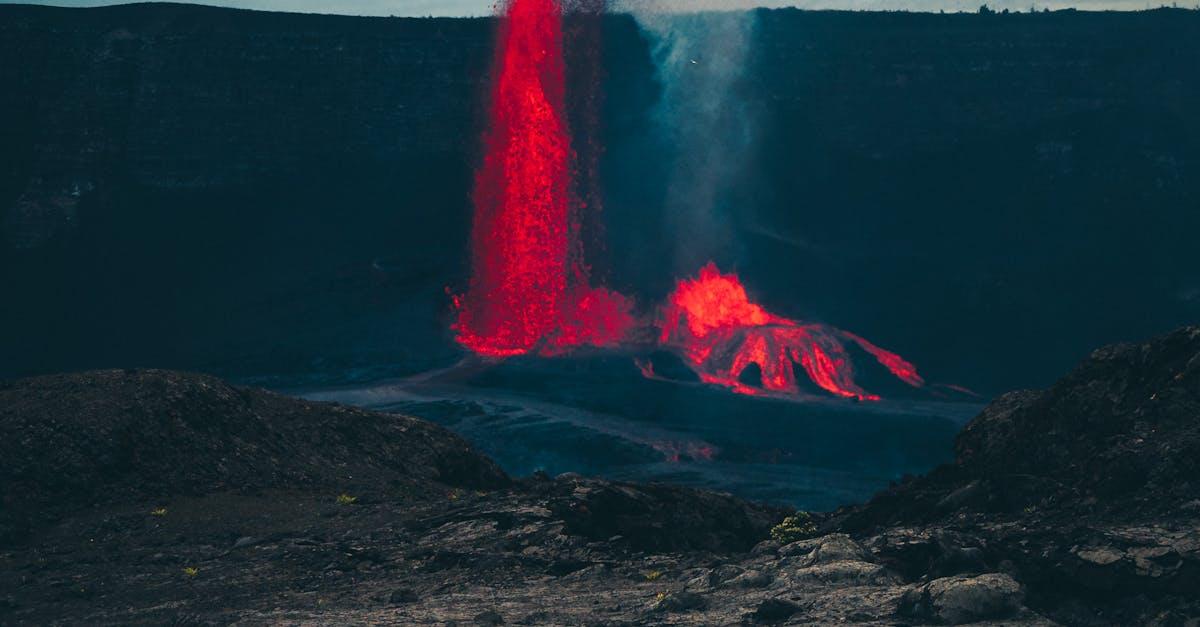
Kilauea Summit Activity Spurs Immediate Review of Emergency Preparedness for Tourism and Local Businesses
Executive Brief
Increased seismic activity and ground deformation at Kilauea's summit necessitate an immediate review of business continuity plans and updated safety protocols due to potential for rapid park closures and disruptions. Tourism operators, small business owners, and real estate stakeholders must assess contingent operational plans and communication strategies.
- Tourism Operators: Potential for visitor access limitations, impacting bookings and revenue.
- Small Business Operators: Risk of disrupted supply chains and reduced foot traffic if park access is restricted.
- Real Estate Owners: Consideration of potential impacts on property value and business continuity insurance.
- Action: Review and update emergency preparedness plans immediately.
The Change
The USGS Hawaiian Volcano Observatory (HVO) has detected a significant increase in shallow earthquakes and localized ground deformation beneath the south rim of Halema‘uma‘u crater, within Kilauea's summit south caldera region. This heightened activity is indicative of magma movement close to the surface, which can rapidly escalate volcanic hazards. While these events do not immediately signify an imminent eruption, they underscore the dynamic and unpredictable nature of the area. The region around Halema‘uma‘u is within Hawaii Volcanoes National Park and is currently closed to the public due to pre-existing hazardous conditions. This heightened alert level suggests that any further unrest could lead to swift changes in volcanic behavior, potentially resulting in immediate and extended closures of the park and surrounding areas.
Who's Affected
Tourism Operators
Hawaii's tourism industry, heavily reliant on attractions like Hawaii Volcanoes National Park, faces immediate risks. Increased volcanic activity can trigger rapid, unpredictable park closures. This can lead to:
- Cancelled Bookings: Tour operators, hotels, vacation rentals, and related hospitality businesses in and around Volcano Village, Hilo, and Naalehu may experience significant booking cancellations and revenue loss.
- Reduced Visitor Flow: Even without full park closures, heightened hazard warnings can deter visitors, impacting visitor numbers and spending across the island.
- Logistical Challenges: If roads adjacent to the park are affected or closures are implemented, transportation and accessibility for tourists and staff could be severely compromised.
- Reputational Impact: Perceived or actual safety concerns can affect Hawaii's image as a safe destination, potentially leading to longer-term booking hesitations.
Small Business Operators
Businesses operating near Hawaii Volcanoes National Park, including restaurants, retail shops, gas stations, and service providers, are highly susceptible to disruptions. The primary concerns include:
- Decreased Foot Traffic: Park closures or reduced visitor numbers directly translate to fewer customers for businesses that depend on park-goers and park employees.
- Supply Chain Disruptions: While less direct, widespread closures or significant visitor impacts could strain local supply chains for goods and services, potentially leading to increased costs or shortages.
- Staffing Challenges: If local residents are directly impacted by volcanic activity or evacuations, businesses may face immediate staffing shortages.
- Operational Costs: Businesses may need to incur costs for enhanced insurance coverage, emergency communication systems, or contingency planning.
Real Estate Owners
Property owners and managers, particularly those with commercial or residential holdings near the park or those catering to tourism, must consider the implications of heightened volcanic unrest:
- Business Interruption Insurance: Owners of businesses that rely on park activity need to review their insurance policies to ensure adequate coverage for potential business interruption due to natural disaster-related closures.
- Property Value Volatility: While Kilauea's activity is a known factor, sudden increases in unrest can create short-term uncertainty regarding property values in directly affected zones.
- Development Permits: Any new development or renovation projects near the park might face increased scrutiny regarding safety and emergency access, potentially delaying permit approvals.
- Tenant Communications: Landlords with commercial tenants reliant on park traffic need to proactively communicate about potential business impacts and review lease agreements for force majeure clauses.
Second-Order Effects
Increased seismic and ground deformation activity at Kilauea's summit, necessitating heightened caution and potential closures, can trigger a cascade of economic impacts throughout Hawaii's tourism-dependent economy. A rapid park closure would immediately cut off a primary revenue stream for businesses in Volcano Village and negatively impact visitor flow to broader East Hawaii. This reduction in tourist spending would lessen demand for services, potentially leading to reduced operating hours or staff layoffs for some small businesses. Such economic dampening could also affect the demand for short-term rentals, forcing property owners to seek longer-term tenants or face vacancy periods. Furthermore, a prolonged or significant volcanic event could strain local resources in adjacent communities, potentially increasing demand for essential services and driving up local prices for goods and infrastructure maintenance, further constricting business margins.
What to Do
Given the immediate nature of volcanic hazards and the potential for rapid escalation, all affected parties should treat this as a high-priority risk. Proactive measures are essential to mitigate potential losses and ensure operational continuity.
Tourism Operators
Action: Update and review your business's emergency preparedness and continuity plans immediately. Focus on communication protocols, cancellation policies, and alternative revenue stream identification.
- Review Cancellation Policies: Ensure your cancellation and refund policies are clearly communicated to customers and can be easily enacted if services are impacted.
- Develop Contingency Itineraries: For tour operators, identify alternative attractions or activities on the island that do not rely on park access.
- Enhance Communication Channels: Prepare to communicate any disruptions or changes to visitors and staff efficiently via email, social media, and direct messaging.
- Assess Insurance Coverage: Verify that your business interruption and event cancellation insurance adequately covers natural disaster-related disruptions.
Small Business Operators
Action: Assess your business's reliance on park access and park visitors. Develop a contingency plan for reduced customer flow and potential supply chain disruptions.
- Diversify Customer Base: If heavily reliant on park visitors, explore strategies to attract local residents or visitors from other parts of the island.
- Inventory Management: Review your stock levels and establish relationships with alternative suppliers for critical goods.
- Financial Reserves: Ensure you have adequate cash reserves to weather a period of reduced revenue.
- Staff Communication: Brief your staff on potential operational changes and ensure they understand emergency protocols.
Real Estate Owners
Action: Review insurance policies and lease agreements for relevant clauses concerning natural disasters and business interruptions. Communicate potential impacts to tenants.
- Review Insurance Policies: Specifically check your business interruption and property insurance for coverage related to volcanic activity and mandatory evacuations or closures.
- Analyze Lease Agreements: Identify force majeure clauses and discuss potential impacts with commercial tenants whose businesses are park-dependent.
- Tenant Communication Plan: Establish a clear communication plan to inform tenants of any park-related advisories or closures that may affect their businesses.
- Property Assessment: For properties immediately adjacent to the park, consider an independent structural assessment if there are concerns about seismic impacts, though current data points to summit-level hazards.
Timeline: These actions should be initiated immediately. The volatile nature of volcanic activity means that the situation can change rapidly, and preparedness is key to resilience. A timeframe of 48-72 hours for initial review and plan updates is recommended.


