


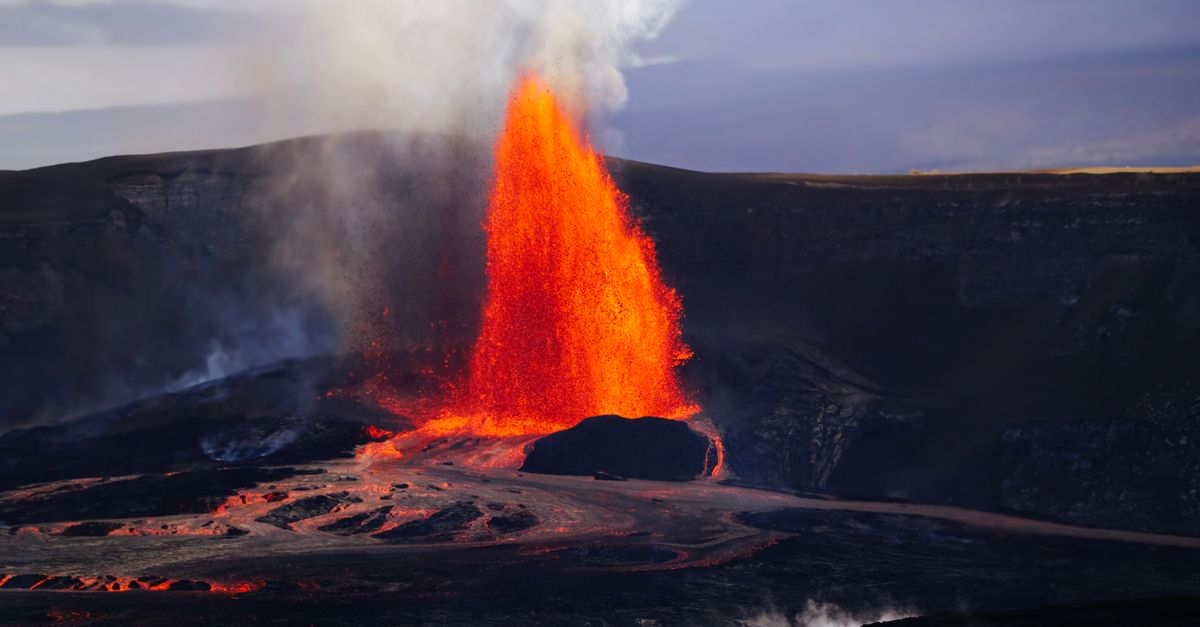
Kīlauea Eruption Imminent: Ashfall Risks Disrupt Air Travel and Local Logistics Within 24-48 Hours
Incoming ashfall from Kīlauea volcano's imminent eruption threatens to ground flights and disrupt surface transportation across the Hawaiian Islands, impacting tourism operations and critical supply chains. With precursory activity confirmed and a high probability of eruption within the next 24-48 hours, businesses reliant on travel and timely delivery must implement immediate contingency plans.
The Change
The U.S. Geological Survey's Hawaiian Volcano Observatory (HVO) has confirmed weak precursory spattering at Kīlauea's summit caldera, specifically within Halemaʻumaʻu, indicating an impending eruption. The anticipated onset of Episode 50, characterized by fountaining, is expected between June 26 and June 27. While fountaining events are typically brief, lasting under 12 hours, the accompanying ashfall can persist for longer periods, dependent on prevailing wind and weather patterns. This poses an immediate risk of degraded air quality and potential disruptions to air travel and ground transportation.
Who's Affected
Tourism Operators
- Impact: Flights to and from the Big Island, and potentially other islands, may be canceled or delayed due to ash clouds. This can lead to significant disruptions for scheduled tours, hotel bookings, and vacation rental occupancy. A surge in cancellations or requests for refunds is likely.
- Timeline: Immediate. Contingency plans for flight disruptions and visitor communication should be in place as of June 26.
Small Business Operators
- Impact: Businesses on the Big Island, particularly those relying on visitor spending or timely deliveries of goods, face potential disruptions. Supply chains could be interrupted if air or surface cargo is rerouted or delayed. Increased operating costs may arise from sourcing alternative transportation or managing staff availability if transport is affected.
- Timeline: High probability of impact within 24-72 hours, depending on the extent and direction of ashfall.
Agriculture & Food Producers
- Impact: Ashfall can directly damage sensitive crops, reduce photosynthetic capacity, and contaminate water sources for livestock and aquaculture. Export logistics may be severely impacted if inter-island or international flights are grounded or rerouted. Businesses on the Big Island should implement ash mitigation strategies for crops and water systems.
- Timeline: Immediate impact on exposed crops. Potential for supply chain disruption within 48-72 hours.
Real Estate Owners
- Impact: Properties on the Big Island, especially those in proximity to the volcano, may experience localized impacts from ashfall, including increased cleaning and maintenance costs. Businesses directly affected by tourism downturns may face challenges with rental payments. Short-term rental owners in affected areas should prepare for cancellations.
- Timeline: Immediate for ashfall impacts on properties. Flow-through effects on rental income could manifest within the week.
Second-Order Effects
An eruption leading to widespread ashfall and flight cancellations can trigger a cascade of economic impacts across the islands. Grounded flights reduce visitor arrivals, decreasing demand for accommodations and local services, which in turn lessens the need for restaurant and retail staff. However, for businesses dependent on imported goods, the disruption in air and sea cargo can lead to shortages and increased costs. This can inflate prices for consumers and businesses alike, potentially exacerbating inflation. Furthermore, localized disruptions could strain already limited transportation infrastructure for residents and essential goods.
What to Do
Tourism Operators
- Act Now: Proactively communicate with all incoming and departing guests regarding potential travel disruptions. Review and update cancellation and rebooking policies to accommodate ashfall-related issues. Prepare for potential influxes of stranded tourists requiring accommodation or alternative transport. Monitor Hawaiian Airlines and Aloha Air Cargo advisories closely. Activate staff for extended service hours if needed.
Small Business Operators
- Act Now: Assess your supply chain's reliance on air cargo, particularly for goods originating from or transiting through affected regions. Identify potential alternative suppliers or transportation methods, even if more costly, for critical inventory. Communicate with key suppliers about potential delays. For businesses on the Big Island, ensure business continuity plans address potential power outages or limited staff mobility due to ashfall.
Agriculture & Food Producers
- Act Now: Implement immediate measures to protect crops from ashfall, such as covering sensitive plants or increasing irrigation IF feasible without water strain. Secure water sources for livestock and aquaculture. Monitor ashfall projections from the National Weather Service and HVO to anticipate impacts on export schedules. Prepare for potential delays in receiving necessary inputs.
Real Estate Owners
- Act Now: For properties on the Big Island, especially those in potentially affected zones, prepare for increased cleaning and maintenance needs. Ensure property management systems are robust enough to handle potential communication surges from tenants or guests facing travel issues. For commercial properties, be prepared for potential temporary vacancies or renegotiations if tenant businesses are severely impacted by tourism or logistics disruptions.


