Kīlauea Eruption Threatens Immediate Disruptions: Tourism, Real Estate, and Small Businesses Must Prepare for Hazards and Logistical Challenges
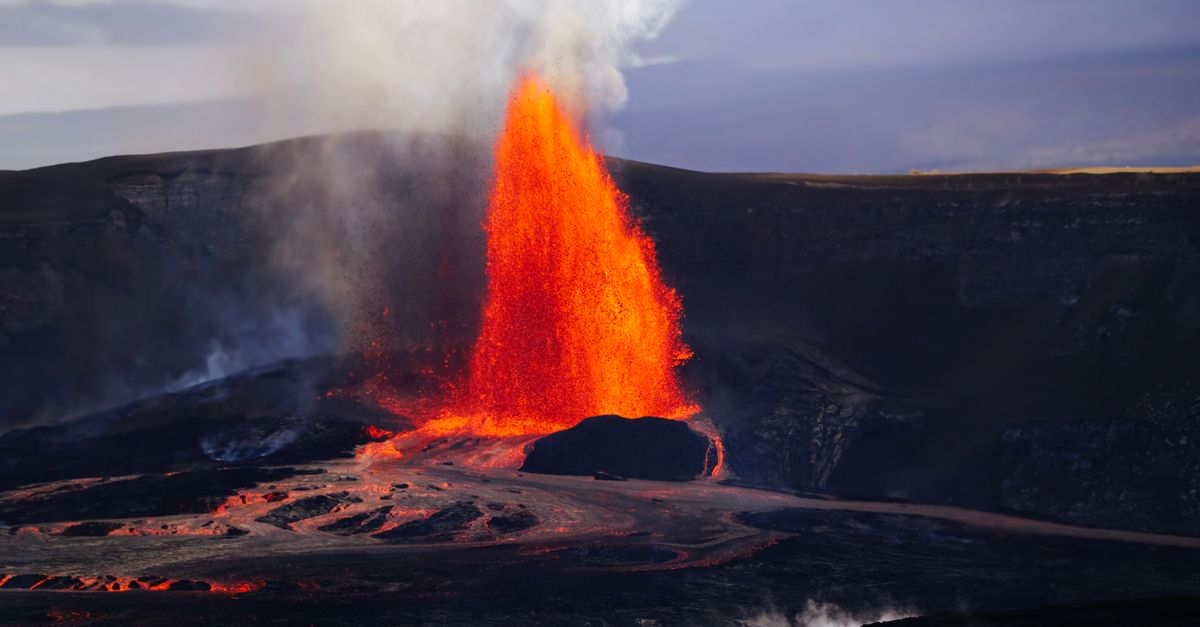
Increased seismic activity and volcanic tremors at Kīlauea volcano indicate a high probability of an imminent lava fountaining event. This heightened volcanic unrest presents immediate risks and potential disruptions for businesses across Hawaiʻi, particularly those on the Island of Hawaiʻi. Proactive planning and immediate review of contingency measures are critical for tourism operators, real estate stakeholders, small businesses, and agricultural producers.
The Change
Scientists are closely monitoring Kīlauea on the Island of Hawaiʻi, where a significant increase in earthquake swarms and volcanic tremors signals active magmatic movement beneath the surface. This pattern strongly suggests that a new eruption, potentially involving lava fountaining, could begin with little to no advanced warning. While the exact location and intensity of any potential eruption are uncertain, the current conditions elevate the risk of immediate volcanic hazards, including lava flows, ashfall (depending on wind patterns), volcanic gases, and disruptions to air and ground transportation. The United States Geological Survey (USGS) Hawaiian Volcano Observatory (HVO) is providing continuous updates.
Who's Affected
Tourism Operators (Hotels, Tour Companies, Vacation Rentals):
- Immediate Risk: Potential for widespread flight cancellations and travel advisories to the Island of Hawaiʻi, leading to booking cancellations and a sharp decline in visitor arrivals. Tour operators in affected areas may face immediate cessation of services due to safety concerns or access restrictions.
- Operational Impact: Businesses may need to implement emergency protocols, assist stranded visitors, and manage refunds or rebookings hastily. Staffing could become a challenge if employees are directly impacted or are unable to commute.
- Supply Chain: Reduced visitor numbers will impact demand for goods and services, directly affecting revenue streams.
Real Estate Owners (Property Owners, Developers, Landlords):
- Direct Hazard: Properties in or near potential lava flow paths face immediate risk of destruction. Ashfall could cause damage to structures and require extensive cleanup.
- Infrastructure Strain: Emergency services, utilities, and transportation infrastructure may be strained or compromised, impacting property access and functionality. Evacuation orders, if issued, would be a primary concern.
- Rental Market: Short-term vacation rentals, especially on the Island of Hawaiʻi, will likely see a significant drop in bookings. Long-term rental demand might increase if residents are displaced, but the overall economic uncertainty could depress market activity.
Small Business Operators (Restaurants, Retail, Services):
- Supply Chain Disruptions: Key supply routes for food, merchandise, and essential goods could be severed or delayed, leading to stock shortages and increased operating costs. Businesses relying on imported goods will be particularly vulnerable.
- Staffing Challenges: Employees may be unable to report to work due to evacuation orders, road closures, or personal safety concerns. Businesses must have plans for remote work or staggered shifts where possible.
- Reduced Foot Traffic: Travel advisories and public safety concerns will significantly reduce consumer traffic for retail and service businesses, even those not directly in harm's way.
Agriculture & Food Producers (Farmers, Ranchers, Food Processors):
- Direct Destruction: Lava flows pose an immediate threat to agricultural lands, crops, and livestock. Ashfall can damage crops, impact grazing lands, and contaminate water sources.
- Logistical Nightmares: Roads essential for transporting produce to markets or receiving supplies may become impassable. Export logistics could be severely hampered if ports or airports are affected.
- Water and Air Quality: Volcanic gases can impact air quality, potentially harming livestock and workers. Changes in precipitation patterns or contamination of water sources could further disrupt agricultural operations.
Second-Order Effects
An imminent eruption at Kīlauea triggers a cascade of economic impacts across the Hawaiian Islands. Disruptions to tourism on the Island of Hawaiʻi will ripple across other islands, potentially leading to reduced inter-island travel and a general downturn in statewide visitor spending. Reduced visitor numbers can decrease demand for local goods and services, impacting small businesses that are not directly in the eruption's path. Furthermore, any damage to infrastructure or agricultural lands could strain already limited local food supplies, potentially driving up prices for consumers and businesses alike. This can exacerbate the existing high cost of living in Hawaiʻi, putting further pressure on residents and employees.
What to Do
Given the high urgency and imminent threat, immediate action is required across all affected sectors.
Tourism Operators
- Immediate Action: Review and activate your business continuity plan. This includes communication protocols for guests and staff, cancellation and refund policies, and arrangements for business interruption insurance claims if applicable.
- Monitoring: Closely monitor advisories from Hawaiian Volcano Observatory (HVO) and the Hawaiʻi Emergency Management Agency (HI-EMA).
- Financial Preparedness: Assess cash reserves to manage potential revenue shortfalls and operational expenses during a shutdown or slowdown. Work with financial institutions to understand available emergency credit lines.
Real Estate Owners
- Immediate Action: Verify your property insurance coverage specifically for volcanic eruption, lava flow, ashfall, and related damages. Contact your insurance provider to understand policy limitations and claim procedures.
- Contingency Planning: For properties on or near the Island of Hawaiʻi, develop evacuation plans for tenants and staff. Identify alternative housing options if properties become uninhabitable. For commercial properties, assess potential business interruption impacts on tenants.
- Lease Review: Review leases for clauses related to unavoidable delays, force majeure, or damage to property, and communicate proactively with tenants regarding potential impacts.
Small Business Operators
- Immediate Action: Review your supply chain vulnerabilities. Identify alternative suppliers and consider increasing inventory of critical goods if feasible and safe.
- Staff Communication: Establish clear communication channels with employees regarding safety protocols, work expectations during a potential disruption, and emergency contact information. Ensure all employees have a personal emergency preparedness plan.
- Financial Resilience: Assess your financial reserves and explore short-term financing options. If your business relies heavily on tourism, begin scenario planning for extended periods of low customer traffic.
Agriculture & Food Producers
- Immediate Action: Implement risk mitigation strategies for crops and livestock in potentially affected areas. This could include protective coverings for crops or moving animals to safer locations if feasible and advised by authorities.
- Logistics Planning: Identify alternative transportation routes and methods in case primary roads are compromised. Coordinate with distributors and buyers to communicate potential delays proactively.
- Review Emergency Plans: Update or create emergency plans that include provisions for ash cleanup, water source protection, and livestock safety. Consult with agricultural extension services for specific guidance related to volcanic hazards.
Action Details: All affected business roles should immediately review and update their business continuity and emergency preparedness plans. Focus on communication protocols for staff and customers, supply chain resilience, and financial contingency measures. For businesses on or near the Island of Hawaiʻi, prioritize safety and evacuation readiness. Monitor official advisories from the USGS HVO and HI-EMA daily. Assess insurance policies for volcanic hazard coverage and understand claim procedures. Begin scenario planning for potential revenue loss and increased operational costs over the next 30-60 days.