


Kona Low Storm Taxpayers Face Shifting Deadlines: Act Now to Secure Extension
Executive Brief
Taxpayers impacted by recent Kona low storms can obtain state tax filing extensions, directly impacting financial planning and compliance for affected businesses and individuals. It is critical to verify eligibility and initiate the extension process to avoid penalties. Small business operators should assess storm-related damages and their eligibility for tax relief immediately.
- Small Business Operators: Potential deferral of tax payments to ease immediate cash flow after storm-related disruptions.
- Real Estate Owners: May qualify for extensions, impacting property tax payment schedules and financial planning.
- Remote Workers: If self-employed or with Hawaii-based clients affected, extensions could offer financial breathing room.
- Entrepreneurs & Startups: Business owners facing operational losses can leverage this for short-term financial relief.
- Agriculture & Food Producers: Can delay tax obligations, crucial for businesses with immediate recovery costs.
- Healthcare Providers: Practices affected by storm damage or operational disruptions can benefit from payment extensions.
- Action: Immediately determine eligibility and file for an extension to avoid penalties and interest.
The Change
The Hawaiʻi Department of Taxation has announced an extension for state tax filing and payment deadlines for individuals and businesses impacted by the recent Kona low storms. This measure is designed to provide financial relief to those facing infrastructure damage, business disruptions, and personal losses due to severe weather conditions. The specific criteria for eligibility and the exact duration of the extension require direct confirmation with the Department of Taxation or by downloading the relevant tax forms, as these vary based on the localized impact of the storms. It is imperative for affected parties to proactively engage with the tax authority to ensure compliance and leverage this relief.
Who's Affected
This tax filing extension directly impacts Hawaiian taxpayers whose operations or financial well-being have been adversely affected by the Kona low storms. This includes:
- Small Business Operators: Businesses that sustained physical damage, experienced significant revenue loss due to closures or supply chain disruptions, or faced increased operating costs for repairs and recovery can apply for extensions. This could provide crucial breathing room for cash flow management during the immediate aftermath of the storms.
- Real Estate Owners: Property owners, including landlords and developers, whose properties were damaged or who experienced loss of rental income due to the storms, may be eligible. This extension could affect property tax payment schedules and other tax liabilities related to rental income.
- Remote Workers: Individuals working remotely who are self-employed or operate businesses based in Hawaii, and who have suffered direct impacts from the storms (e.g., damage to home office, loss of client business due to storm effects), can seek extensions. This is particularly relevant for those with significant tax liabilities due before the extension was announced.
- Entrepreneurs & Startups: New businesses and early-stage companies that were already in a precarious financial position are especially vulnerable to storm-related impacts. This extension can help mitigate immediate financial pressures caused by unexpected recovery costs or revenue dips.
- Agriculture & Food Producers: Farmers, ranchers, and food producers often face significant losses from extreme weather events. This extension allows them to defer tax payments, freeing up capital for immediate on-the-ground recovery efforts, such as replanting, repairing equipment, or managing livestock.
- Healthcare Providers: Clinics, private practices, and medical facilities that experienced damage, power outages, or had to close temporarily due to the storms can benefit from this extension. This relief is important for maintaining operational continuity and managing recovery expenses without immediate tax payment burdens.
Second-Order Effects
While offering immediate relief, the broad application of tax extensions can have cascading effects within Hawaii's uniquely constrained economy:
- Delayed Tax Revenue Collection: A significant number of extensions could lead to a temporary dip in state tax revenue, potentially impacting the timing of public service funding and infrastructure projects. This means slower reconstruction or maintenance timelines for public assets.
- Cash Flow Strain for Government Services: Reduced tax intake may necessitate short-term borrowing or reallocation of funds, impacting the budget available for disaster recovery support and essential services. This could indirectly prolong the recovery period for affected communities and businesses.
- Potential for Fraudulent Claims: In a bid to secure relief, there's an increased risk of individuals or businesses falsely claiming storm impact. This necessitates more rigorous verification processes by the Department of Taxation, potentially increasing administrative costs and delays for legitimate claimants.
- Mitigated Individual Financial Hardship: On the positive side, extensions can prevent immediate financial distress for individuals and businesses, allowing them to focus on recovery and eventual return to normal operations. This can, in turn, support a quicker overall economic rebound by preserving existing businesses and employment.
What to Do
Act Now: The primary action for all affected taxpayers is to determine their eligibility for the Kona low storm tax extension and formally apply for it. The exact deadline for applying for this extension is not explicitly stated in the initial announcement and may vary based on the specific circumstances of the storm's impact and the taxpayer's location. It is crucial to contact the Hawaiʻi Department of Taxation directly or visit their official website for the most current information, applicable forms, and deadlines.
-
For All Affected Taxpayers:
- Assess Storm Impact: Document all storm-related damages, disruptions, and losses. This documentation will be crucial for proving eligibility.
- Visit Hawaiʻi Department of Taxation Website: Navigate to the official website of the Hawaiʻi Department of Taxation (tax.hawaii.gov) to find specific announcements regarding storm relief and extension forms. Look for announcements related to "Kona low storms" or similar disaster relief.
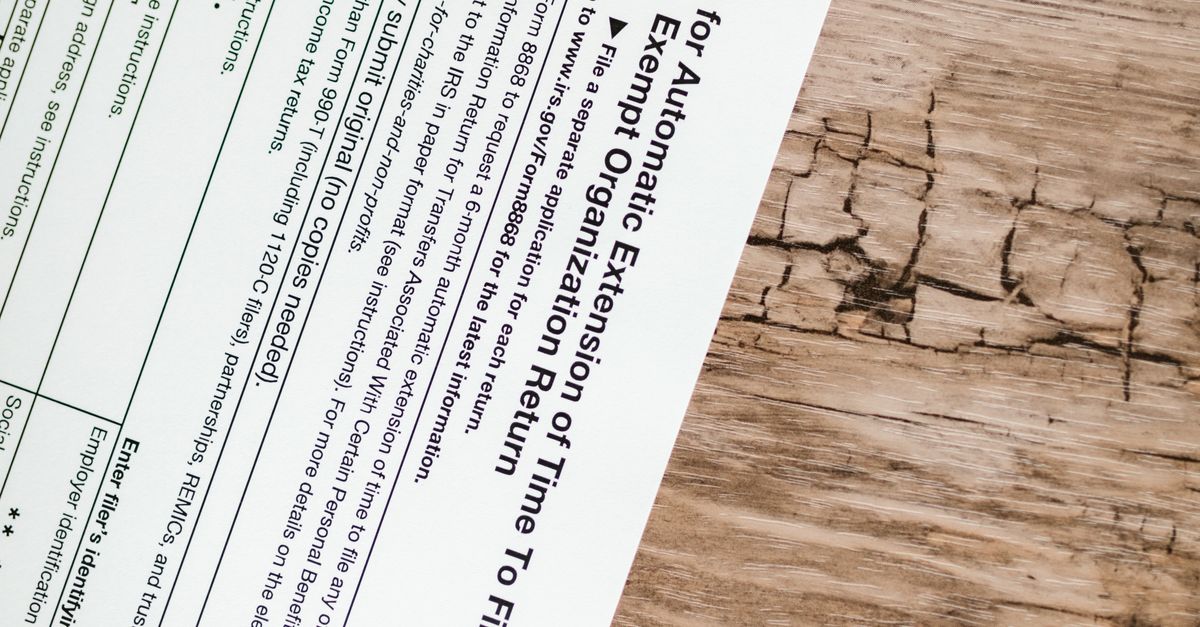
- Download and Complete Relevant Forms: Identify and download the appropriate extension request form or disaster relief claim form. These may include general extension forms (e.g., Form N-930, Application for Extension of Time to File Return) or specific disaster relief forms.
- Submit Extension Request Promptly: Submit the completed application to the Department of Taxation. While a hard deadline may not be immediately apparent, it is advisable to do so within 30-60 days of the original tax due date or as soon as possible after experiencing the impact, to avoid penalties and interest accruing on any unpaid tax liability.
- Consult a Tax Professional: If you are unsure about your eligibility, the process, or the implications of taking an extension, consult with a qualified tax advisor or accountant specializing in Hawaii tax law.
-
Small Business Operators & Entrepreneurs: Beyond filing for the extension, reassess your business continuity plans. Explore other potential disaster relief resources from federal agencies like the Small Business Administration (SBA) if applicable.
-
Real Estate Owners: Consider the impact on your portfolio's cash flow. If you have mortgages or loans, inform your lenders about any potential delays in tax payments if they could affect covenants.
-
Agriculture & Food Producers: Focus on immediate recovery actions. This tax extension is a financial tool to support that recovery; prioritize using any available funds for agricultural restoration.
-
Healthcare Providers: Ensure any patient billing or insurance claims are not negatively impacted by internal disruptions. A tax extension for the practice itself should be secondary to ensuring continuity of care and patient support.
Disclaimer: Information on specific deadlines and eligibility is subject to change and confirmation directly with the Hawaiʻi Department of Taxation. This advice is for informational purposes and not a substitute for professional tax consultation.


