


The Change
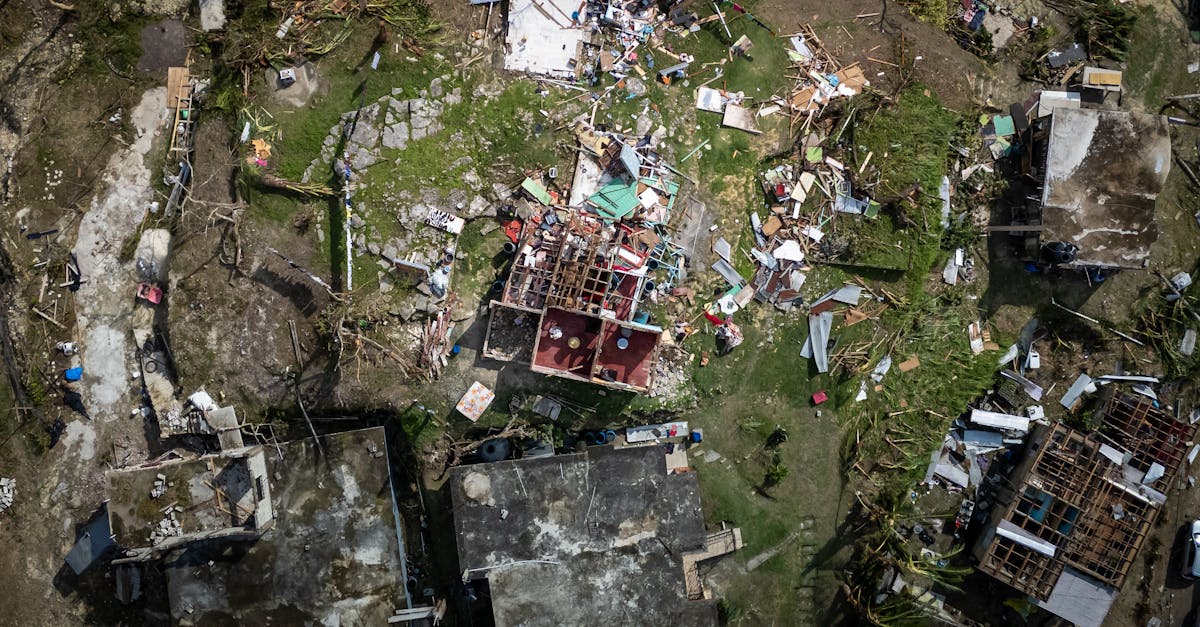
An estimated $100 million in property damage resulted from the recent Kona Low storm events on Maui. This figure, as reported to the Maui County Council's Disaster Recovery, International Affairs and Planning Committee, signals a significant impact on infrastructure and private property across the island. While the immediate weather event has passed, the economic and logistical fallout is likely to unfold over the coming months, affecting recovery efforts, insurance markets, and the availability of construction resources.
Who's Affected
Real Estate Owners: Property owners, developers, and landlords in affected areas face the direct costs of repairs and potential increases in insurance premiums as carriers reassess risk in storm-prone regions. The extended timelines for debris removal, insurance assessments, and permit applications for reconstruction could delay property availability and rental income. Owners of coastal properties or those in low-lying areas may experience a disproportionate impact on property values and insurability. The county's capacity to process permits for repairs and new construction could lead to backlogs, extending project timelines by weeks to several months.
Small Business Operators: Businesses, particularly those with physical storefronts in storm-impacted zones, are grappling with repair costs. This damage estimate suggests that the demand for construction materials and labor will surge, potentially leading to increased costs and longer lead times for essential repairs. Businesses reliant on local suppliers for materials may experience further delays due to damaged infrastructure or increased demand. Service businesses focused on repairs, landscaping, and maintenance may see a temporary spike in demand, but this could be offset by the broader economic slowdown triggered by widespread damage.
Tourism Operators: Hotels, vacation rentals, and tour operators may experience direct damage, requiring significant investment in repairs and impacting occupancy rates. The reputational impact of visible storm damage or prolonged closures could deter visitors. Reconstruction efforts may also compete for labor and resources, potentially driving up costs for routine maintenance and upgrades. As insurance claims are processed, some properties might face extended periods of unavailability, reducing overall lodging capacity.
Agriculture & Food Producers: Farmers and ranchers are assessing damage to crops, livestock facilities, and irrigation systems. The $100 million figure likely includes damage to agricultural infrastructure like fences, barns, and potentially processing facilities. Increased costs for rebuilding or replacing damaged equipment and infrastructure, coupled with potential crop losses, could impact food supply and prices for local consumers and businesses. Growers in areas prone to landslides or flooding may face land usability issues.
Investors: Investors should monitor the allocation of disaster relief funds and the speed of recovery. Opportunities may arise in sectors related to construction, materials supply, and property restoration. However, the increased operational costs and potential market uncertainty for businesses in affected areas could present short-term risks. Real estate investors might see decreased property values in heavily damaged areas or increased investment opportunities in reconstruction phases.
Second-Order Effects
The substantial damage estimate will likely strain the island's limited resources. Increased demand for construction materials and skilled labor will drive up prices for these essential inputs. This could lead to higher operating costs for all businesses, not just those directly affected by the storms, as the cost of repairs and new construction escalates. Furthermore, insurance carriers may revise their risk assessments for Hawaii, potentially leading to higher premiums across the board, impacting affordability for property owners and businesses alike. The backlog in permit processing for repairs could also delay unrelated development projects, slowing economic activity.
What to Do
Real Estate Owners: Begin the insurance claims process immediately. Document all damage thoroughly with photographs and videos. Consult with contractors about repair timelines and understand the current permitting process for repairs and reconstruction. Be prepared for potentially higher insurance renewal premiums. Proactively engage with county planning departments regarding any new regulations or expedited processes for storm-related repairs.
Small Business Operators: Contact your insurance provider to initiate claims. Obtain multiple quotes from reputable contractors for repairs, noting that material and labor costs may be elevated. Assess your supply chain for potential disruptions and explore alternative suppliers if necessary. Consider deferring non-essential capital expenditures until repair costs stabilize. Review lease agreements for any clauses related to force majeure or disaster impact.
Tourism Operators: Assess any direct damage to your property and begin the insurance claims process. Communicate transparently with guests and potential visitors about any operational impacts or closures. Monitor local government announcements regarding recovery efforts and infrastructure status. Consider offering flexibility to guests whose travel plans may be affected by ongoing recovery work.
Agriculture & Food Producers: Conduct a thorough assessment of crop, livestock, and infrastructure damage. File insurance claims promptly. Document losses for potential disaster relief applications. Assess water sources and land stability for long-term viability. Connect with agricultural extension services for guidance on recovery and replanting strategies.
Investors: Track public announcements regarding federal and state disaster relief funding and aid. Analyze the performance of companies involved in construction, materials, and disaster recovery services. Monitor real estate market trends in affected areas for potential distressed asset opportunities or shifts in development focus. Assess the impact on local consumer spending and business investment confidence.


