Kona Storm Disruptions Threaten 7-15% Increase in Localized Supply Chain Costs, Immediate Action Required for Key Sectors
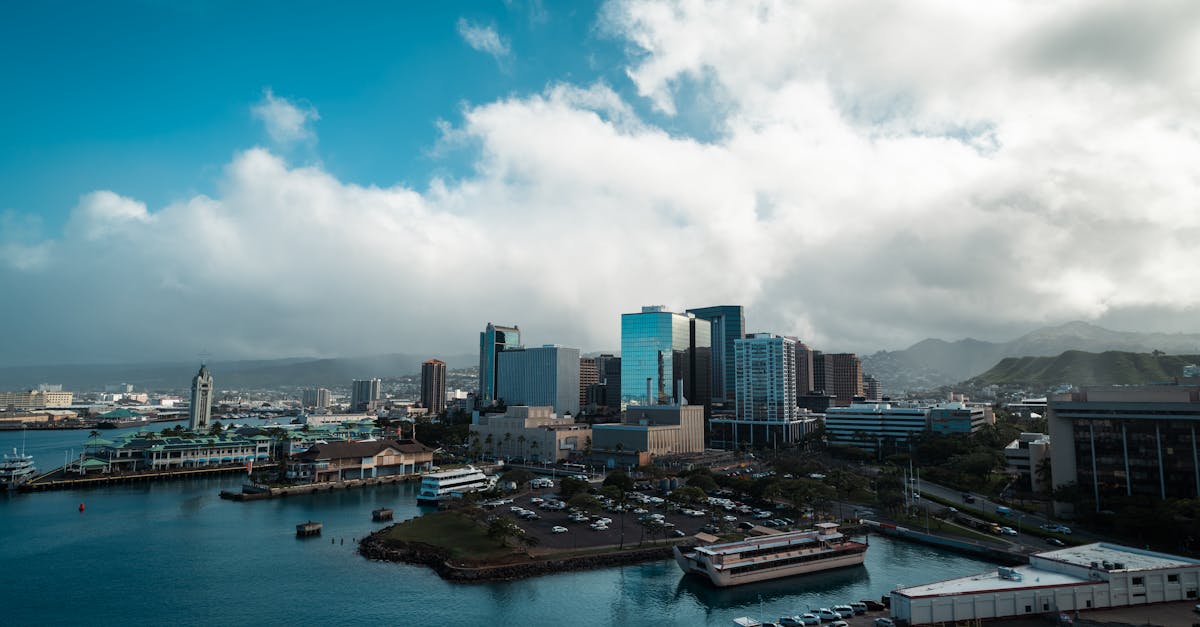
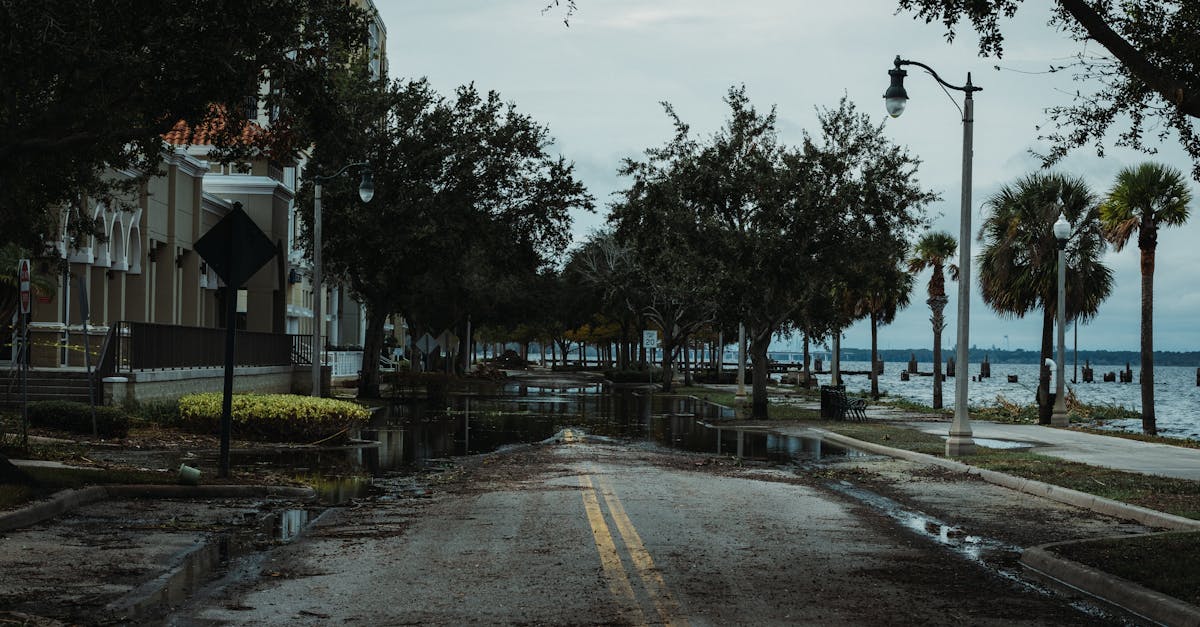
An approaching Kona storm system is expected to bring significant rainfall and high winds across the Hawaiian Islands starting today, March 10, 2026. This weather event is projected to cause immediate disruptions to transportation, logistics, and daily operations, potentially leading to heightened operational costs for businesses that rely on timely supply chains and stable infrastructure. Companies across critical sectors, including tourism, agriculture, and retail, are advised to activate their emergency preparedness and business continuity plans without delay to mitigate anticipated financial losses and operational setbacks.
The Change
Hawaiʻi's Weather Source is tracking a Kona storm system making landfall today, March 10, 2026. This system is characterized by its potential to bring heavy thunderstorms and strong winds to the islands over the next 72 to 96 hours. Unlike typical trade wind patterns, Kona winds blow from the south or southwest, often ushering in periods of prolonged, heavy rain and reduced visibility. This shift in weather patterns can severely impact inter-island and local transportation, leading to delays, increased costs for goods and services, and potential damage to property and crops.
Who's Affected
Tourism Operators
This weather event directly impacts hotels, tour operators, and vacation rental businesses. Expected consequences include:
- Booking Cancellations and Rescheduling: Visitors may cancel or postpone trips due to travel advisories and adverse conditions, leading to an estimated 10-20% revenue loss in targeted tourist areas during the storm's peak. Hawaii Tourism Authority
- Tour Disruptions: Outdoor activities, boat tours, and aerial excursions will likely be canceled, resulting in lost revenue and potential refunds.
- Increased Operational Costs: Property management will need to allocate resources for storm preparedness and potential damage assessment.
Agriculture & Food Producers
Farmers, ranchers, and food producers are particularly vulnerable to severe weather events impacting crop yields and harvest schedules.
- Crop Damage and Spoilage: Heavy rainfall can lead to flooding, soil erosion, and damage to crops such as taro, lettuce, and tropical fruits. Wind can damage fruit trees and perennial crops. Hawaii Department of Agriculture
- Harvest Delays: Unsafe working conditions and inaccessible fields will delay harvests, potentially leading to spoilage and lost yield, impacting local food supply chains.
- Livestock Risks: While less direct, prolonged heavy rain can impact grazing land and increase disease risk for livestock.
Small Business Operators
Retail shops, restaurants, and service-based businesses face several immediate challenges.
- Transportation Delays and Increased Costs: Local delivery services and supply chain logistics will be significantly hampered, leading to potential stock shortages and an estimated 7-15% increase in last-mile delivery costs. Shipping carriers like Young Brothers' inter-island services may experience delays.
- Potential for Temporary Closures: In areas experiencing severe wind or flooding, businesses may be forced to close temporarily for safety, resulting in lost operating hours and revenue.
- Staffing Challenges: Employees may face difficulties commuting to work, impacting staffing levels and service delivery.
Real Estate Owners
Property owners, developers, and landlords need to consider the physical risks and potential tenant impacts.
- Property Damage: Properties, especially those in coastal or flood-prone areas, are at risk of wind and water damage. This includes damage to roofs, windows, and landscaping.
- Tenant Safety: Landlords and property managers must ensure tenants are informed of safety precautions and that common areas are secured.
- Insurance Claims: Owners should be prepared to document any damages for insurance claims. Reviewing insurance policies for storm-related coverage before such events is crucial.
Second-Order Effects
The immediate disruptions caused by the Kona storm will have cascading effects through Hawaii's isolated economy.
- Port Delays → Retail Stockouts → Price Increases: Inter-island and mainland shipping delays at ports like Nawiliwili due to rough seas can lead to temporary stockouts of consumer goods and restaurant ingredients, forcing retailers and restaurants to absorb higher expedited shipping costs or pass them on to consumers. This can exacerbate inflation for essential goods.
- Agricultural Losses → Food Price Inflation & Reduced Local Supply: Significant crop damage or harvest delays reduce the available local produce. This forces greater reliance on more expensive imported goods, increasing food prices for consumers and impacting the competitiveness of the local food industry.
- Tourism Downturn → Reduced Service Sector Demand: Cancellations and reduced visitor numbers decrease demand for services like restaurants, taxis, and retail. This can lead to reduced hours for service workers and potentially slower wage growth in that sector, even as overall demand might be high in other areas.
What to Do
Tourism Operators:
- Act Now: Review your cancellation and rescheduling policies. Proactively communicate with guests booked for the affected period to offer flexibility and potentially rebooking options to minimize negative reviews and customer dissatisfaction. Prepare for a possible dip in last-minute bookings.
- Monitor Travel Advisories: Stay updated on advisories from airlines and the Hawaii Tourism Authority on flight status and travel conditions. Be prepared to adjust tour schedules accordingly.
Agriculture & Food Producers:
- Act Now: Secure crops and equipment that are vulnerable to high winds. Implement enhanced drainage measures for fields susceptible to flooding. Harvest mature crops immediately if conditions allow and it is safe to do so.
- Contingency Planning: Identify alternative storage solutions for harvested produce if immediate shipment is delayed. Document any crop damage for potential disaster relief applications through the Hawaii Department of Agriculture
Small Business Operators:
- Act Now: Communicate with your suppliers about potential delivery delays and explore backup suppliers if available. Inform employees about potential transportation challenges and establish clear protocols for workplace safety and communication during the storm.
- Review Delivery Routings: If you offer local delivery, anticipate longer routes and potential road closures. Consider suspending non-essential deliveries if conditions become hazardous.
Real Estate Owners:
- Act Now: Secure outdoor furniture, signage, and any loose items on your property that could become projectiles. Inspect drainage systems to ensure they are clear of debris.
- Tenant Communication: Disseminate safety information to tenants, including emergency contact numbers and recommended preparedness measures. If property management is on-site, ensure they are equipped to handle immediate issues. Monitor weather reports for any evacuation advisories for particularly vulnerable properties.