


Kona Storm Recovery Plans Can Leverage Lahaina Rebuilding Lessons for Faster Permitting and Reduced Costs
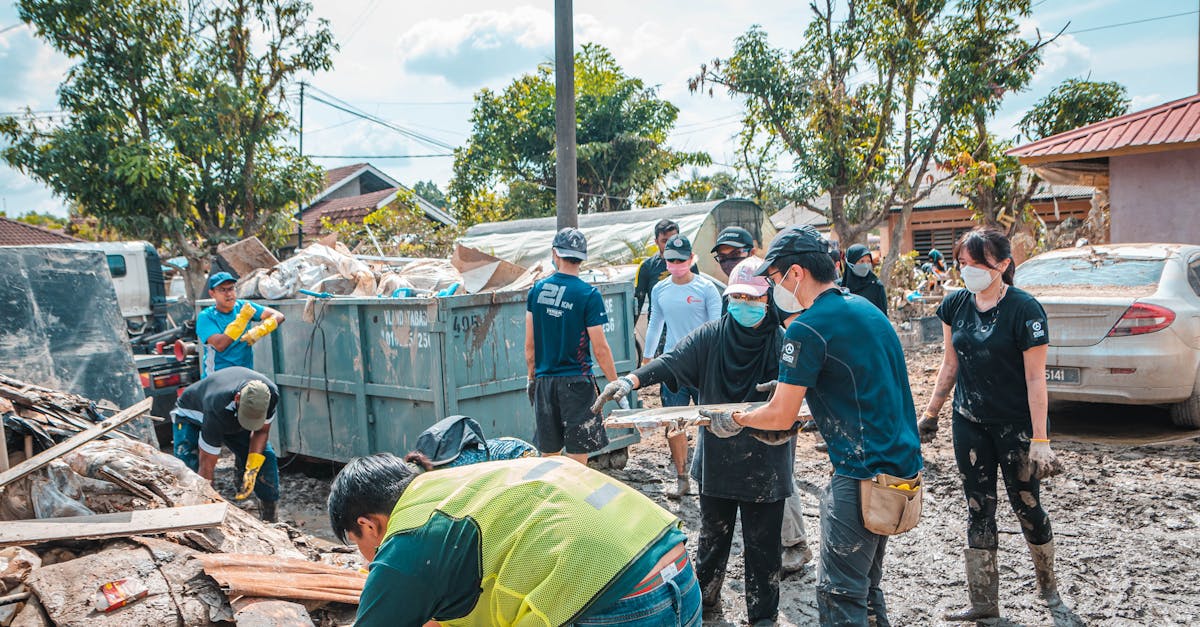
Recent disaster recovery efforts in Lahaina following the 2023 wildfires offer a critical blueprint for businesses and property owners impacted by the recent Kona low storms. Policy analysts suggest that lessons learned in Maui County can streamline permit processes, optimize resource allocation, and reduce rebuilding costs statewide. The focus is shifting from reactive crisis management to proactive, informed recovery based on prior experience.
The Change
Jonathan Helton, a policy analyst at the Grassroot Institute of Hawaii, has highlighted that the extensive and often challenging rebuilding process in Lahaina provided invaluable insights into disaster recovery. These lessons, detailed in recent analyses, pertain to improving inter-agency coordination, expediting permit approvals for damaged structures and infrastructure, and prioritizing essential services restoration. While not a formal policy change implemented by any single agency, the articulation of these insights by a reputable think tank serves as a strong advisory for all county and state-level disaster management bodies, suggesting that future disaster responses should integrate these proven strategies. The potential for these methods to be adopted is high, particularly as Hawaii faces recurring weather events.
Who's Affected
Small Business Operators
Businesses, especially those in the food service and retail sectors, that suffered damage from recent Kona low storms could experience a faster return to operation. The application of Lahaina's recovery lessons may lead to shorter permitting timelines for repairs and reconstruction. Owners should anticipate that initial damage assessments and recovery plans will be guided by evolving best practices, potentially reducing weeks or even months of downtime compared to previous disaster recovery cycles. This could translate to lower revenue loss and more stable employment retention.
Real Estate Owners
Property owners, including landlords and developers, facing damage to residential, commercial, or agricultural properties stand to benefit from streamlined recovery processes. The emphasis on efficient permitting observed in Lahaina's rebuilding efforts could mean faster approvals for necessary repairs, renovations, or rebuilding projects. This is crucial for mitigating mounting holding costs and for quickly re-establishing rental income or property value. Developers planning future projects in storm-prone areas may also find that improved disaster resilience guidelines inform new construction standards, potentially leading to more durable and insurable properties.
Agriculture & Food Producers
Farmers and food producers whose lands, equipment, or infrastructure were damaged by the Kona low storms can expect recovery efforts to incorporate lessons learned from Maui. This includes potentially faster access to permits for rebuilding irrigation systems, storage facilities, or damaged fields. The improved coordination lessons from Lahaina could also expedite access to critical resources and supplies necessary for agricultural recovery, helping to minimize long-term impacts on crop yields and livestock.
Second-Order Effects
Streamlined disaster recovery permitting → Faster rebuilding of damaged businesses and properties → Reduced prolonged economic disruption → Increased demand for construction materials and labor → Potential for localized price increases in construction services and materials → Increased strain on existing infrastructure if rebuilding outpaces capacity.
What to Do
Given the


