


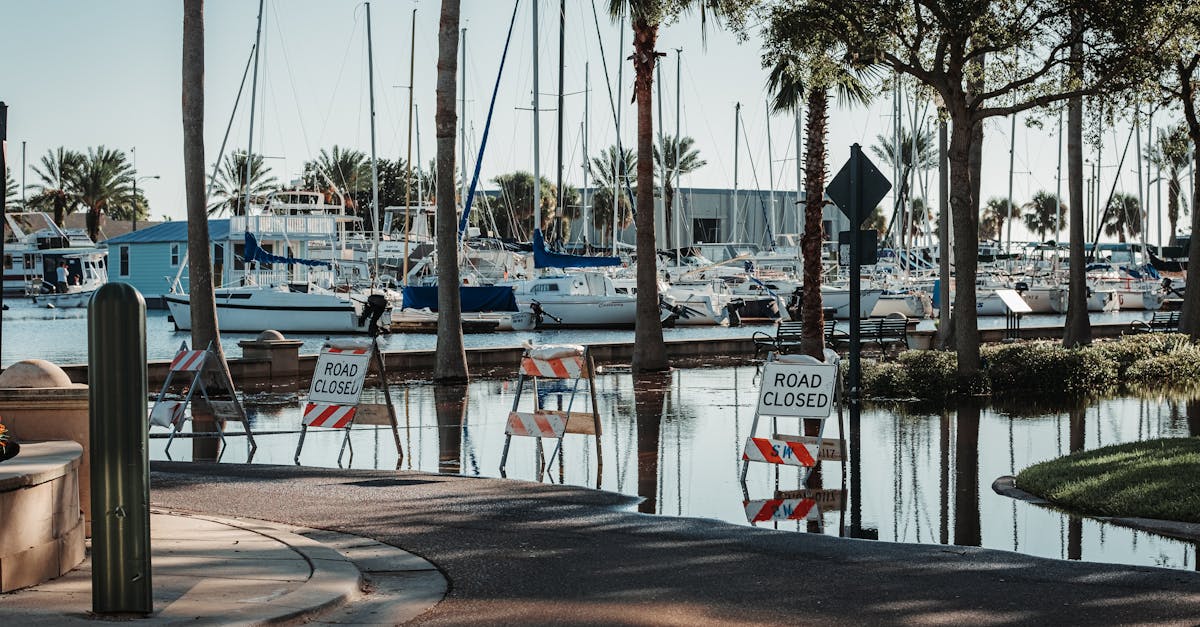
Lahaina Businesses Face Immediate Operational Disruption Amidst Flood Risks
Evacuation warnings and advisories have been issued for specific neighborhoods in Lahaina due to rapidly rising floodwaters from nearby retention basins. This presents an immediate risk of property damage, operational shutdown, and personnel safety concerns for businesses operating within or near the affected areas of Wahikuli and Leialiʻi, below Ka Laʻi Ola.
The Change
As of 6 p.m. on March 14, 2026, the Maui Emergency Management Agency (MEMA) issued an evacuation warning and an evacuation advisory for the Wahikuli and Leialiʻi areas below Ka Laʻi Ola in Lahaina.
These designations are triggered by the retention basins nearing capacity and the rapid movement of floodwaters. Crucially, these are not mandatory evacuation orders but signal a significant and imminent threat requiring proactive safety measures and potential business disruption.
Who's Affected
Real Estate Owners (Property Owners, Developers, Landlords, Property Managers)
For owners and managers of properties in Wahikuli and Leialiʻi, the primary risk is direct flood damage. This could range from minor water intrusion to catastrophic structural compromise, depending on the severity of the flooding. Beyond immediate damage, expect:
- Rental Income Interruption: Properties may become uninhabitable, leading to lost rent and tenant relocation challenges.
- Increased Insurance Premiums: Past flood events and current warnings can elevate insurance costs and potentially impact insurability.
- Assessment Requirements: Post-event assessment will be necessary to determine the safety and habitability of structures, delaying any planned development or renovations.
Small Business Operators (Restaurants, Retail Shops, Service Businesses)
Businesses located within the Wahikuli or Leialiʻi zones face immediate operational paralysis and severe financial risk.
- Access Restrictions: Evacuation advisories and warnings can lead to informal or formal access restrictions, preventing staff and customers from reaching your business.
- Inventory Loss: Perishable goods, stock, and equipment are highly vulnerable to water damage, potentially leading to complete loss.
- Staff Safety: Ensuring the safety of employees is paramount. Businesses may need to close operations to allow staff to secure their homes and personal safety.
- Business Interruption: Extended closures could lead to significant revenue loss, difficulty meeting payroll, and potential permanent cessation of operations if recovery is prolonged.
Tourism Operators (Hotels, Tour Companies, Vacation Rentals)
For tourism-related businesses, the impact is multifaceted, affecting both property and guest experience.
- Guest Safety & Evacuation: Hotels and vacation rentals in or near affected zones must prioritize guest safety, potentially necessitating guest evacuations. This creates logistical challenges and immediate reputational risk if not handled effectively.
- Cancellations & Rebookings: Incoming guests are likely to cancel, and those already on island may seek to relocate away from perceived risk areas, impacting occupancy rates and revenue.
- Tour & Activity Cancellations: Access to tour departure points or areas of operation may be restricted, forcing cancellations of booked excursions.
Agriculture & Food Producers (Farmers, Ranchers, Food Producers)
Agricultural operations, particularly those with land or facilities in low-lying areas, face immediate threats.
- Crop Damage: Standing water and flood inundation can destroy crops, ruin soil quality, and make fields inaccessible for harvesting or planting.
- Livestock Risk: If livestock are present in affected areas, they are at risk of drowning or displacement.
- Infrastructure Damage: Irrigation systems, farm buildings, equipment, and access roads can suffer significant damage.
Second-Order Effects
Immediate flood threats in Lahaina can have cascading effects on the broader Maui economy. When businesses and properties are damaged or inaccessible, it strains local resources and supply chains. For instance, significant property damage in key tourist areas like Lahaina can lead to decreased demand for local services and increased costs for essential goods due to disrupted logistics. This, in turn, can impact the availability and cost of labor as workers may face personal displacement or extended commutes, ultimately affecting the operational viability of businesses across the island.
What to Do
Real Estate Owners
Action: Immediately assess property exposure and implement protective measures. If your property is within the warning or advisory zones, consider relocating valuable assets and personnel. Ensure flood preparedness plans are activated. For properties outside the immediate zone but at risk from secondary flooding, monitor water levels and secure lower-level assets.
Details: For properties directly impacted, document all damage meticulously with photographs and videos for insurance claims. Review insurance policies for flood coverage details and immediately notify your insurance provider of any damage. If you have tenants, communicate proactively about safety, access, and relocation options. Delay any non-critical site visits or construction activities for at least 48 hours until the immediate threat subsides.
Small Business Operators
Action: If operating within or adjacent to the Wahikuli and Leialiʻi zones, cease non-essential operations immediately. Secure all inventory, equipment, and critical business documents. Prioritize staff safety by instructing them to avoid the affected areas and follow official guidance.
Details: If evacuation is recommended or becomes mandatory, ensure a documented process for securing your premises. If possible, move high-value or perishable inventory to higher ground or secure, off-site storage. Plan for a period of business interruption; activate your business continuity plan, focusing on communication with staff and customers. Begin documenting potential losses for insurance claims once safe to do so.
Tourism Operators
Action: For hotels and properties hosting guests in or near Wahikuli and Leialiʻi, immediately assess guest safety and provide clear communication regarding the evacuation advisory/warning. If guests are in the warning zone, initiate evacuation procedures. For all operators, prepare for cancellations and proactively communicate with incoming guests regarding potential impacts on their bookings and experiences.
Details: Implement your emergency protocols for guest safety and evacuation. Contact guests with upcoming reservations to inform them of the situation and offer flexible rebooking or cancellation policies. Tour operators should verify access to operational areas and be prepared to cancel or reschedule tours if access is compromised or unsafe. Review staffing needs and ensure adequate personnel are available to manage guest needs during this disruptive period.
Agriculture & Food Producers
Action: If operating within the flood warning or advisory areas, assess risks to crops, livestock, and infrastructure. If possible and safe, take immediate steps to protect assets, such as moving livestock to higher ground or securing equipment. Monitor water levels and official advisories continuously.
Details: For farms with immediate flood risk, consider harvesting any mature crops that can be salvaged. For livestock, ensure they have access to higher, safer ground. Document any potential damage to fields, irrigation systems, or farm buildings for future recovery and insurance purposes. Liaise with local agricultural extension services for any available support or guidance on flood mitigation and recovery.


