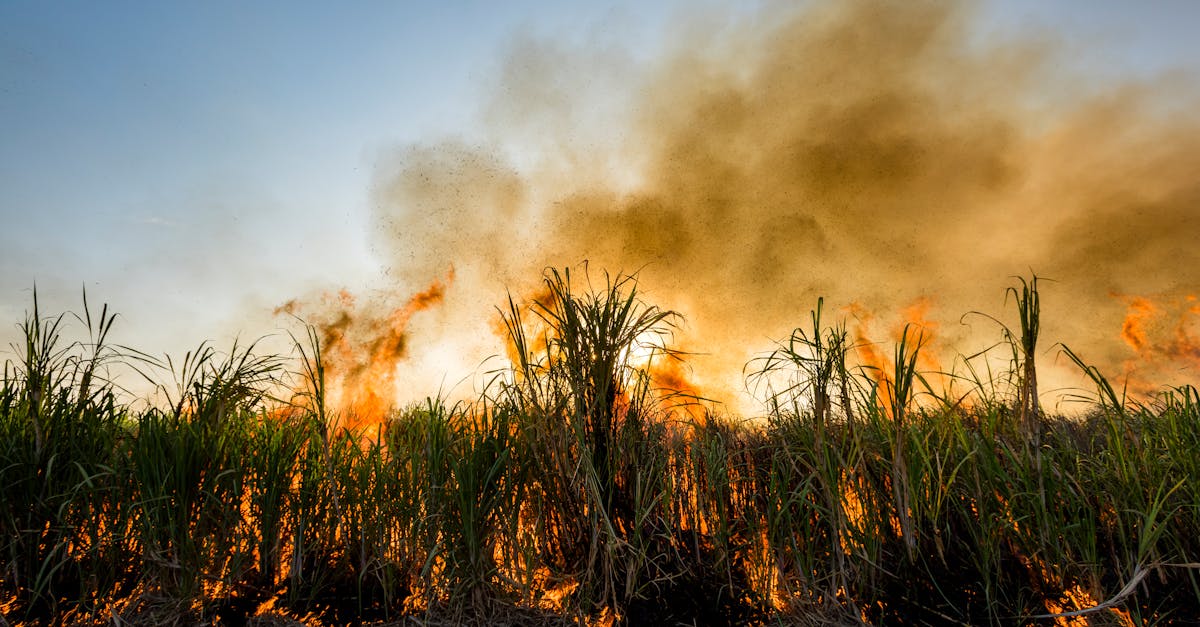
Leeward Oahu Businesses Face Increased Wildfire Disruption Risk Due to Limited Evacuation Capacity
The Change
As the third anniversary of the Maui wildfires approaches, significant concern has been voiced by residents and officials regarding the elevated wildfire risk on Oahu's Leeward Coast. The combination of strong, hot winds, dry brush, and limited evacuation options for the 55,000 residents presents a scenario mirroring the conditions that led to the Lahaina catastrophe. While no immediate policy changes are being enacted, this heightened awareness and public discourse signal a growing recognition of the vulnerability of this region to catastrophic fire events. This increased focus implies a greater likelihood of emergency declarations, potential land-use restrictions during high-risk periods, and sustained community demand for improved preparedness. Businesses operating in or serving the Leeward Oahu area must anticipate a higher probability of disruptive events and critically evaluate their readiness.
Who's Affected
Small Business Operators (small-operator): Businesses on the Leeward Oahu, such as restaurants, retail shops, and service providers, face a direct threat of operational disruption. During a wildfire event, power outages, road closures, and mandatory evacuations could lead to prolonged business closures, inventory loss, and an inability for staff to report to work. Customer access will be severely impacted, leading to a significant drop in revenue that could be difficult to recover. The urgency to review and strengthen business continuity plans, including data backup and alternative operational strategies, is high.
Real Estate Owners (real-estate): Property owners in Leeward Oahu, including landlords, property managers, and developers, should assess the long-term implications. Areas identified as high-risk for wildfires may become less desirable, potentially impacting property values and rental demand. Furthermore, the existing limited evacuation routes could become a significant liability, potentially delaying emergency services and impacting the safety of tenants. Understanding local land use and building code implications related to fire mitigation will be crucial for future development and property management decisions.
Tourism Operators (tourism-operator): Hotels, tour operators, and hospitality businesses in the affected region are vulnerable to cancellations and a downturn in visitor confidence. Wildfire events, even if not directly impacting tourist sites, can lead to widespread fear and negative publicity, deterring bookings. Limited evacuation options could also complicate emergency management for hotels with numerous guests. Operators must consider updating their emergency response protocols to include wildfire scenarios and clearly communicate safety measures to guests.
Agriculture & Food Producers (agriculture): Farmers and food producers in Leeward Oahu face direct threats to crops and livestock from wildfires. Furthermore, damage to transportation infrastructure (roads, ports) could disrupt supply chains, impacting the delivery of goods to local markets and export. Water resources may also be diverted for firefighting efforts, potentially impacting irrigation. Securing land and planning for firebreaks are critical, alongside developing contingency plans for essential resource management.
Second-Order Effects
Increased wildfire risk and the associated threat of evacuation on Leeward Oahu could lead to a decrease in demand for local goods and services as residents and visitors may be deterred from the area. This reduced economic activity, coupled with potential infrastructure damage and business closures, may strain local employment opportunities. Consequently, businesses that remain operational could face increased competition for a smaller labor pool, potentially driving up wages in sectors less directly impacted by immediate fire damage but still reliant on the local workforce. This could further exacerbate operating costs for small businesses, creating a cascading effect on consumer prices.
What to Do
Small Business Operators: Review your business continuity plan to specifically address wildfire scenarios. This includes identifying critical infrastructure at risk, establishing communication protocols for staff and customers during emergencies, data backup strategies, and potential temporary relocation or remote work options. Ensure essential supplies and equipment are stored safely and consider fire-resistant landscaping around your property if applicable. Engage with local emergency management agencies for specific preparedness guidance.
Real Estate Owners: Assess the wildfire risk profile of your properties. Consult with local authorities regarding evacuation routes and emergency response capabilities in your area. For commercial properties, review lease agreements to ensure clarity on responsibilities during natural disasters. Consider incorporating fire-resistant building materials or landscaping in future renovations or new developments.
Tourism Operators: Update your hotel or tour company's emergency management plan to include comprehensive wildfire protocols. This should cover guest evacuation procedures, communication strategies with guests and relevant authorities, and arrangements for potential disruptions to transportation and services. Monitor local news and emergency alerts closely, and proactively communicate with your guests about any potential impacts.
Agriculture & Food Producers: Implement enhanced fire prevention measures on your land, such as creating defensible space and maintaining firebreaks. Review water management plans to account for potential diversions during emergencies. Develop contingency plans for livestock safety and crop protection, including potential temporary relocation or emergency harvesting. Ensure robust communication channels are open with local emergency services and other agricultural stakeholders.
Action Details
Monitor local emergency management agency advisories and official disaster preparedness drills for Leeward Oahu. If official reports indicate a reduction in response times or an increase in preparedness certifications for the region, re-evaluate your business continuity plan's assumptions. In the absence of such positive indicators, or if risk assessments are downgraded, it may be prudent to escalate internal preparedness measures or allocate contingency funds for potential disruptions.
Sources
- Hawaii News Network - Reporting on Leeward Oahu's wildfire concerns and limited evacuation options.
- County of Honolulu Emergency Services - Official source for emergency preparedness and response information in Honolulu County.
- Hawaii Wildfire Management Organization - Resources and information on wildfire prevention and management in Hawaii.