Loss of PGA Tour Event in 2027 Impacts Hawaii Tourism Revenue Projections
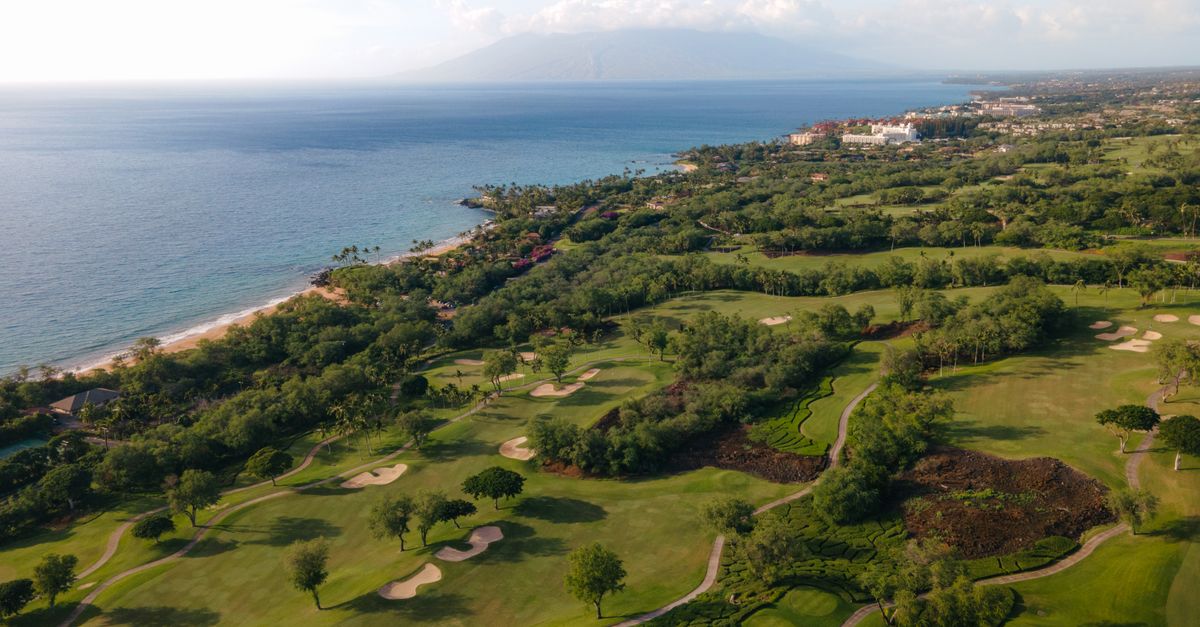
The PGA Tour announced its 2027 schedule will no longer include a stop in Hawaii, ending a 56-year tradition. This marks a significant shift for the state's tourism industry, particularly impacting the island that historically hosted the event. The change stems from a broader PGA Tour schedule restructuring aimed at beginning the season in a different geographic location. The Sentry tournament, previously held on Maui, was canceled in January 2026 due to drought conditions affecting the course, foreshadowing this permanent removal.
Who's Affected
Tourism Operators
- Hotels and Resorts: Properties on Maui, particularly those near the former Plantation course, can anticipate a dip in bookings during what was traditionally a peak period for high-spending visitors associated with the tournament. This void could reduce occupancy rates and overall revenue during the early months of 2027.
- Tour and Activity Providers: Businesses offering excursions, dining, and entertainment on Maui may experience decreased demand from the specific demographic that travels for the PGA event. This could necessitate adjustments in staffing and marketing efforts for January 2027.
- Vacation Rentals: Owners and managers of short-term rentals in the vicinity of the tournament venue are likely to see a reduction in bookings and potentially lower average daily rates for the period typically occupied by the event.
Small Business Operators
- Restaurants and Retail: Establishments that benefited from increased foot traffic and spending from tournament attendees, staff, and media will need to prepare for a potential slowdown. This could impact sales figures and inventory management for early 2027.
- Local Services: Businesses providing services to the influx of temporary workers and visitors (e.g., transportation, event support) may see reduced demand. It's crucial to reassess operational capacity and marketing for the tournament window.
Real Estate Owners
- Property Owners: Owners of properties in areas that saw increased demand due to the PGA event might observe a softening in rental market conditions or a need to adjust property values if the event's economic ripple effect was a key market driver.
- Commercial Landlords: Landlords of retail or hospitality spaces in prime tournament-adjacent locations may face negotiations with tenants who are anticipating lower customer volumes.
Investors
- Portfolio Managers: Investors with holdings in Hawaii-based hospitality or tourism-dependent companies should review their exposure. The loss of a consistent, high-profile event could signal a need to rebalance portfolios or assess the resilience of specific business models.
- Real Estate Investors: Those holding commercial or residential real estate in Maui, specifically in areas that historically benefited from the PGA event's ancillary economic activity, should monitor the market impact on property values and rental income.
Second-Order Effects
The removal of a major PGA Tour event from Hawaii's winter calendar is more than just a loss of a sports spectacle; it's a contraction of a specific economic stimulus. This can lead to a decrease in high-spending visitor arrivals during a critical shoulder season, potentially easing some demand on local services and infrastructure. However, for businesses that directly or indirectly catered to this niche, the impact is a direct reduction in revenue. This might lead to reduced local spending, potentially affecting other small businesses and service providers. Consequently, there could be a marginal decrease in the demand for seasonal employment in the tourism sector, impacting household incomes and consumer spending power in the affected communities. This decline in economic activity could, in turn, subtly influence the local real estate market by reducing investment appeal tied to peak event-driven tourism.
What to Do
Tourism Operators
- Action: Monitor December 2026 and January 2027 booking trends for early indicators of changes in visitor volume and spending patterns. Develop targeted marketing campaigns to attract alternative visitor segments for early 2027. Consider partnerships with other Maui-based attractions to create new package deals.
Small Business Operators
- Action: Analyze sales data from previous tournament periods to quantify past impact. Reallocate marketing budgets towards broader seasonal promotions or new customer acquisition strategies for early 2027. Explore diversification of offerings to attract a wider customer base beyond the specific tournament demographic.
Real Estate Owners
- Action: Review current lease agreements and rental performance data. If reliance on event-driven demand was significant, begin planning for adjustments in rental pricing or marketing for short-term or long-term leases in late 2026 and early 2027. Consider property upgrades that appeal to a broader range of tourists or long-term residents.
Investors
- Action: Assess the direct and indirect exposure of your Hawaii-focused tourism investments to events of this magnitude. Review company reports and market analyses for signs of revenue impact in the first quarter of 2027. Consider diversifying investments across different sectors or regions within Hawaii to mitigate sector-specific risks.