


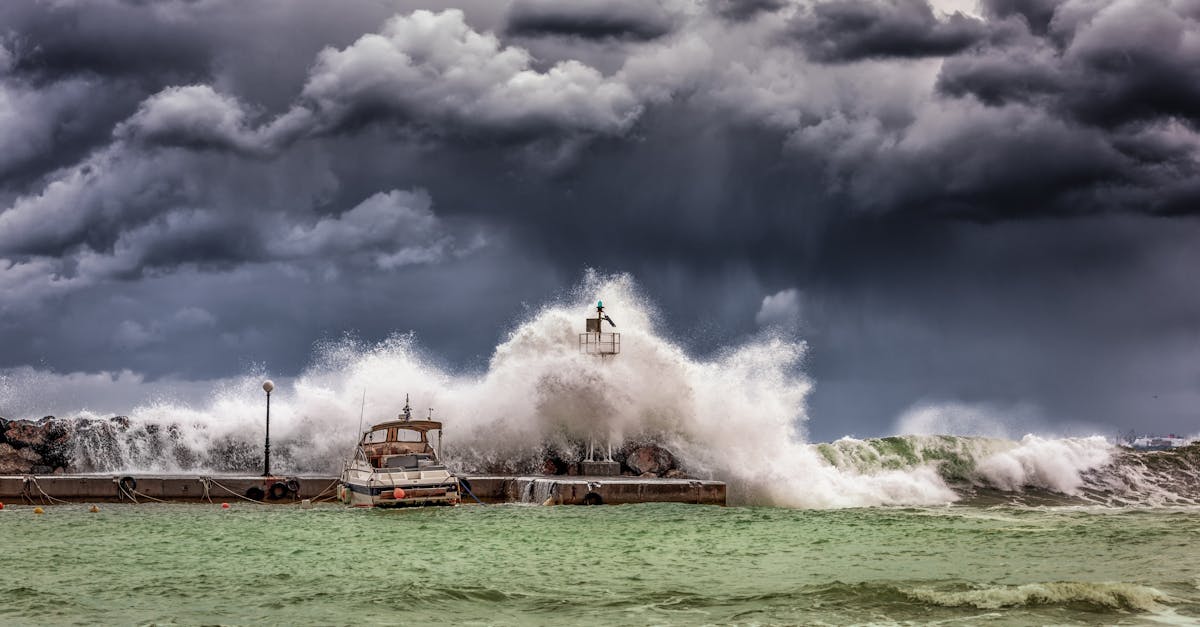
Maui Businesses Face Immediate Disruption and Infrastructure Risk as Second Kona Storm Approaches
Maui is bracing for a second Kona storm, commencing imminently, mere days after a severe weather event caused extensive damage across the island. This rapid succession of intense rainfall and high winds poses immediate threats to business operations, infrastructure, and supply chains, necessitating urgent defensive and contingency measures.
The Change
A new Kona storm system is forecast to impact Hawaii, with Maui expected to experience significant weather effects starting March 19, 2026. This comes on the heels of a severe Kona storm from March 13-16, which delivered the highest rainfall totals and second-highest wind speeds in the state to Maui. The previous storm inflicted substantial damage on critical infrastructure and businesses, particularly in South Maui, ‘Īao, Upper Kula, East Maui, and Lahaina. This new forecast indicates a high probability of renewed or exacerbated damage and operational halts.
Who's Affected
Small Business Operators (e.g., restaurants, retail, services)
Businesses, particularly those in coastal or flood-prone areas like South Maui and Lahaina, face immediate risks of physical damage from high winds and flooding. Operations can be halted due to power outages, inaccessible roads, and staff inability to reach work. Inventory and equipment are vulnerable. The recent storm has already strained operational capacity and financial reserves, making a swift recovery challenging.
Real Estate Owners (property owners, landlords, property managers)
Owners of commercial and residential real estate, especially in impacted zones, must assess and mitigate potential new damage. Structures damaged by the first storm are likely more susceptible to further deterioration. Property managers need to prepare for increased tenant communication regarding safety, access, and potential repair timelines. Lahaina landlords face the immense challenge of rebuilding amidst already depleted resources.
Tourism Operators (hotels, tour companies, vacation rentals)
Hotels and resorts may experience cancellations, reduced bookings, and operational challenges due to potential road closures and visitor safety concerns. Tour operators face immediate cancellations and the logistical nightmare of rescheduling. Vacation rental properties, particularly those in South Maui and Lahaina, are at high risk for direct damage and subsequent loss of rental income. Beachfront erosion and damage to coastal access points will impact visitor experience.
Agriculture & Food Producers
Farmers and food producers in Upper Kula and other affected agricultural areas are at risk of crop damage from excessive rain, wind, and potential landslides. Livestock may be endangered. Harvesting and transportation logistics will be severely disrupted, impacting local food supply chains and potentially leading to product shortages. Areas that experienced heavy inundation may suffer from soil erosion and long-term land usability issues.
Healthcare Providers
Clinics and hospitals, especially those in South Maui and Lahaina, need to ensure operational continuity amidst potential power outages, road inaccessibility, and increased demand for emergency services. Telehealth infrastructure must be robust to compensate for physical access challenges. Supply chain disruptions could impact the availability of medical supplies and medications. Staffing may be compromised if employees cannot reach facilities.
Second-Order Effects
The repeated impact of severe weather events on Maui threatens to accelerate a cycle of economic strain. Increased infrastructure damage necessitates higher repair and reconstruction costs, diverting resources that could otherwise fuel business growth or diversification. This also strains county and state budgets, potentially leading to delayed public works projects and higher taxes. For tourism operators, repeated disruptions and negative perceptions can lead to a sustained drop in visitor numbers, impacting a broad spectrum of local employment and small business revenue. Furthermore, a weakened local agricultural base due to repeated crop and land damage could exacerbate reliance on imported goods, increasing costs for all businesses and residents.
Second-Order Effects Breakdown:
- Repeated infrastructure damage → increased repair costs → strained public & private budgets → slower economic recovery.
- Tourism disruptions and safety concerns → reduced visitor demand → lower revenue for hospitality & ancillary businesses → job losses.
- Agricultural damage → reduced local food supply → increased reliance on imports → higher consumer prices & operating costs for food businesses.
- Business interruptions & property damage → decreased tax revenue for county → reduced funding for public services & infrastructure improvements.
What to Do
Given the immediate threat, proactive measures are critical to mitigate damage and ensure business continuity.
For Small Business Operators:
- Immediate Actions (Next 24-72 hours): Secure outdoor equipment, inventory, and any vulnerable assets. Review and test backup power systems. Communicate with staff regarding safety protocols and potential work disruptions. Identify alternative work locations or remote work capabilities if feasible.
- Contingency Planning: Establish communication channels with key suppliers and distributors to monitor for potential disruptions. Develop a plan for managing customer inquiries and service changes. If in a flood-prone area, move critical inventory and equipment to higher ground.
- Insurance Review: Document any pre-existing damage from the prior storm and be prepared to file new claims promptly. Ensure your insurance policies are up-to-date and provide adequate coverage for wind and flood damage.
For Real Estate Owners:
- Immediate Actions (Next 24-72 hours): Conduct visual inspections of properties for any immediate vulnerabilities (e.g., loose roofing, unsecured windows). Clear drainage systems on property to minimize water pooling. Secure any outdoor amenities or structures.
- Tenant Communication: Proactively inform tenants of potential risks and safety guidelines. Advise tenants on securing their personal property.
- Damage Assessment & Repair Plan: If properties sustained damage from the prior storm, photograph and document any new damage immediately after the current storm subsides. Begin obtaining quotes for repairs, prioritizing structural integrity and safety.
For Tourism Operators:
- Immediate Actions (Next 24-72 hours): Review booking systems for potential cancellations and proactively communicate with guests regarding conditions and safety. Secure outdoor seating, recreational equipment, and any exposed assets.
- Operational Adjustments: Prepare contingency plans for tour cancellations or modifications due to road closures or unsafe conditions. Notify staff of emergency protocols and potential work reassignment.
- Supply Chain Monitoring: Stay in close contact with transportation providers to anticipate potential delays or disruptions in guest amenities, food, and beverage supplies.
For Agriculture & Food Producers:
- Immediate Actions (Next 24-72 hours): Secure livestock and provide them with shelter. Harvest any mature crops that are at immediate risk. Implement any water management and drainage strategies to mitigate flooding.
- Infrastructure Protection: Reinforce any vulnerable farm structures, irrigation systems, and fencing.
- Supply Chain Coordination: Communicate with distributors and buyers regarding potential harvest delays or reductions. Explore short-term storage solutions for undamaged product.
For Healthcare Providers:
- Immediate Actions (Next 24-72 hours): Ensure backup power systems are fully operational and tested. Stockpile essential medical supplies and medications, anticipating potential delivery disruptions. Update emergency communication protocols for staff and patients.
- Patient Care Continuity: Prepare to pivot to telehealth services for non-critical appointments if physical access becomes restricted. Develop plans for managing patient inflow if emergency services are overwhelmed.
- Staff Preparedness: Communicate emergency staffing plans and safety protocols to all healthcare personnel. Ensure clear routes of access for emergency responders and critical staff.
Action Details:
All affected roles should prioritize immediate actions to secure property, protect assets, and ensure the safety of staff and customers. Review and activate emergency preparedness plans, communicate proactively with stakeholders (staff, customers, suppliers), and document all damages thoroughly for insurance claims. Prepare for potential extended disruptions to transportation and utilities. Monitor official advisories from the County of Maui and the National Weather Service Honolulu for real-time updates.


