Maui Businesses Face Increased Operational Scrutiny Over Green Waste Management to Combat CRB
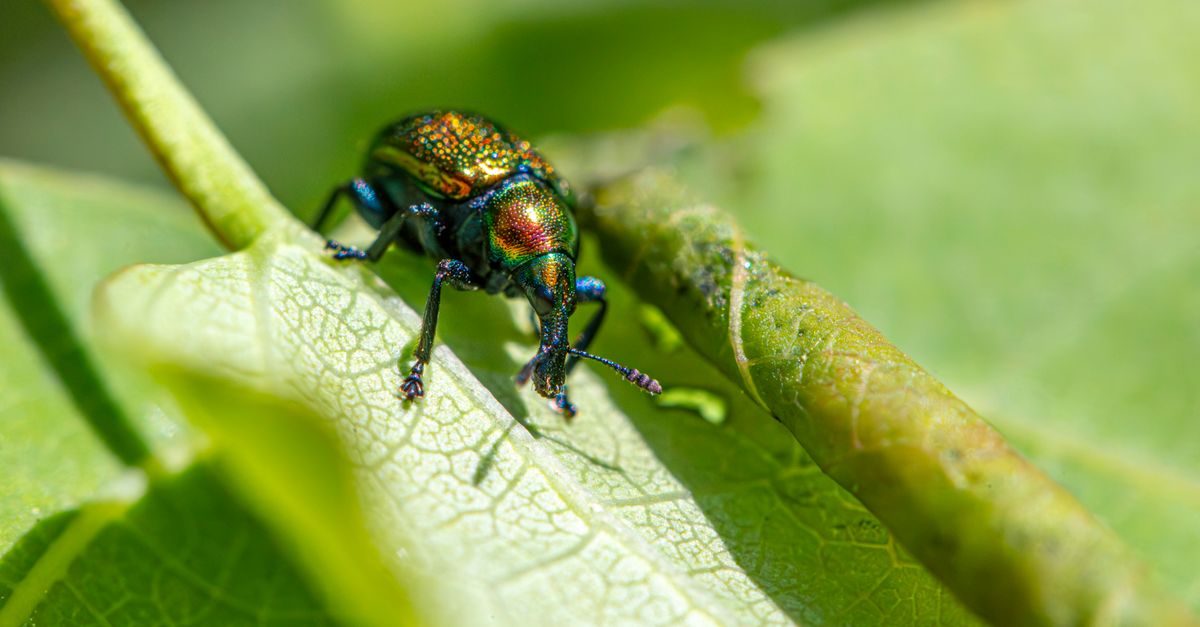
Maui businesses, particularly those in agriculture, real estate with significant landscaping, and smaller operations with outdoor components, should anticipate increased attention and potential new protocols related to green waste management. These changes are driven by persistent efforts to control the Coconut Rhinoceros Beetle (CRB), an invasive pest that thrives in untended organic debris. While no immediate hard deadlines are in place, a sustained focus on this issue means businesses failing to adapt could face escalating problems and costs.
The Change
The ongoing strategy to manage the Coconut Rhinoceros Beetle (CRB) on Maui highlights the critical role of active green waste management as a primary defense. This involves not just disposal but proper composting and removal of potential breeding sites such as decaying palm fronds and other organic matter. The emphasis means that local authorities are likely to increase monitoring and potentially implement stricter guidelines for how green waste is handled to minimize CRB proliferation. This is a continuation and intensification of existing awareness campaigns and management strategies, signaling that compliance is becoming a more significant factor in land and business operations.
Who's Affected
-
Agriculture & Food Producers: Farmers, ranchers, and food producers on Maui must be particularly vigilant about their green waste disposal practices. Areas with significant crop residue, fallen fruit, or abundant vegetation are potential CRB breeding grounds. Failure to manage this material effectively could lead to localized CRB outbreaks, impacting crop yields and potentially necessitating costly interventions. Expect potential directives or recommendations for specific composting methods or immediate removal of certain types of organic debris.
-
Real Estate Owners: Property owners, developers, and managers of large estates, resorts, or commercial properties with extensive grounds will likely see increased scrutiny. Landscaping maintenance, including the timely removal and proper disposal of palm fronds and other green waste, becomes a critical factor. Non-compliance could lead to citations or mandates to rectify issues, potentially increasing maintenance costs and impacting property aesthetics or usability.
-
Small Business Operators: While the primary focus is often on larger agricultural and land-owning entities, smaller businesses that maintain significant outdoor areas, such as garden centers, nurseries, or even restaurants with extensive outdoor seating and landscaping, are also indirectly affected. Increased CRB populations due to poor green waste management in the wider community could eventually impact the aesthetic appeal of their businesses or necessitate additional pest control measures.
Second-Order Effects
Increased diligence in green waste management, while necessary for pest control, can lead to higher operational costs for businesses on Maui. These costs, stemming from specialized disposal services or modified operational procedures, could indirectly affect the pricing models for agricultural products and potentially for services. Furthermore, expanded green waste management efforts may also contribute to increased demand for composting facilities and related logistics, potentially creating new business opportunities in the waste management sector. If CRB populations are not effectively managed, widespread damage to important plant species like coconut palms could diminish tourism appeal and impact the aesthetic value of affected areas, leading to reduced visitor spending and a subsequent economic slowdown.
What to Do
Given the ongoing nature of CRB management and the increased emphasis on green waste, businesses on Maui should adopt a proactive stance.
-
Agriculture & Food Producers: Review current green waste disposal and composting methods. Consult with the Maui County Farm Bureau or the Hawaii Department of Agriculture for the latest recommendations on CRB-safe practices. Budget for potential increases in waste removal or processing costs.
-
Real Estate Owners: Ensure landscaping services are compliant with any emerging best practices for green waste management. Proactively clear dead or decaying vegetation, especially palm fronds, and explore approved disposal or composting methods. Consider incorporating proactive green waste management into property maintenance budgets and long-term plans.
-
Small Business Operators: If your business involves significant landscaping or outdoor vegetation, develop or review your green waste disposal plan. Stay informed about local county directives and consider partnering with landscaping or waste management services that are aware of and adhere to CRB prevention guidelines.
Monitoring and Future Action
Watch pest control advisories and green waste disposal regulations issued by the County of Maui's environmental and agricultural departments. Pay attention to any notices from the Hawaii Department of Agriculture regarding CRB containment zones or new management recommendations. If specific waste disposal mandates are enacted, or if local CRB infestation levels significantly increase, be prepared to adjust operational budgets and waste management strategies accordingly.