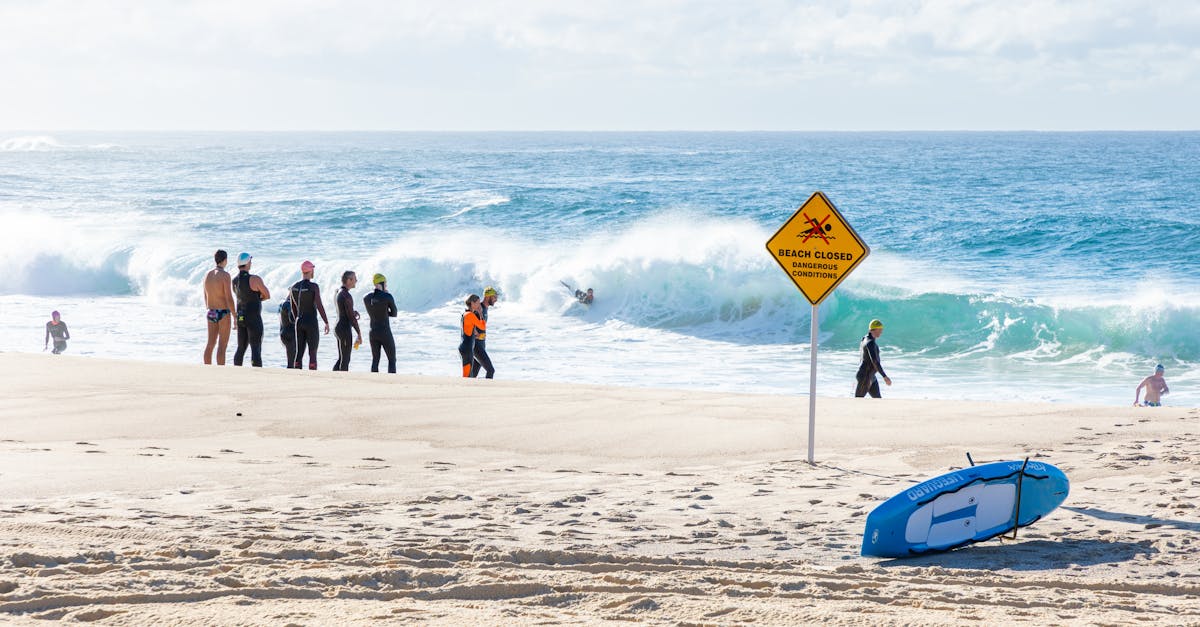
High Surf Warning Impacts Maui Coastal Operations This Weekend
A High Surf Warning is in effect for Maui from Saturday, February 7th, 2026, through Sunday, February 8th, 2026. The National Weather Service has forecast large west-northwest swells (295-310 degrees) that will build throughout Friday evening, peaking late Friday night into Saturday. These conditions are expected to generate surf heights of 15-25 feet on north and west facing shores, with sets possibly reaching 30 feet.
Winds are forecast to be light and variable, which, combined with the large surf, will create dangerous conditions. Rip currents will be strong and hazardous, and large waves may produce localized surge and battering against vulnerable coastal structures. This forecast mandates an immediate review of operational plans for businesses operating on or near Maui's coast.
Who's Affected
Tourism Operators
Businesses directly reliant on Maui's coast, including hotels, vacation rentals, water sports tour operators (snorkeling, surfing lessons, boat tours), and beachfront restaurants/bars, will face significant operational challenges.
- Coastal Property Damage Risk: Businesses with beachfront locations face a heightened risk of damage from wave surge and debris, potentially leading to costly repairs and insurance claims.
- Activity Cancellations: Surfing, snorkeling, paddleboarding, and boat tours in exposed areas are likely to be canceled or significantly restricted, directly impacting revenue and customer satisfaction. Hotels may see a decrease in bookings or a shift towards land-based activities.
- Safety Protocol Activation: All operators must rigorously enforce existing safety protocols, ensure adequate staffing for monitoring conditions, and potentially deploy additional safety personnel or barriers.
- Customer Communication: Proactive communication with guests about affected services, safety advisories, and alternative activity suggestions is crucial to manage expectations and maintain customer relations.
Small Business Operators
While not directly operating on the water, small businesses in coastal towns such as Lahaina, Kaʻanapali, and Paʻia will experience secondary impacts.
- Reduced Foot Traffic: Road closures, beach access limitations, and general safety concerns may deter visitors and locals from visiting commercial areas, leading to a decline in sales for retail shops, restaurants, and service providers.
- Supply Chain Disruptions: Minor disruptions to local transportation or delivery services are possible if roads near the coast become impassable or are closed for safety reasons.
- Staffing Challenges: Employees living in coastal areas or those reliant on coastal routes for their commute may face difficulties getting to work.
Second-Order Effects
The immediate impact of severe weather events like this high surf warning on Maui can trigger a cascade of secondary effects within Hawaii's isolated economy. For instance, widespread cancellations of water-based activities and beach closures can lead to a decrease in overall visitor spending on the island. This reduced spending can, in turn, decrease demand for services at restaurants and retail establishments, potentially leading to reduced hours for staff or a short-term decrease in demand for casual labor. Furthermore, if coastal infrastructure is damaged, repair costs could strain local construction resources, potentially delaying other development projects and increasing material costs across the island.
What to Do
Tourism Operators
Act Now: Every tourism operator with coastal exposure must execute their emergency preparedness plans immediately.
- Review and Activate Safety Plans: For businesses with beachfront property or offering water activities, conduct an immediate safety assessment. Ensure all safety equipment is secured and that staff are briefed on emergency procedures. Review your insurance policies for coverage related to storm surge and high surf damage. This should be completed by Friday, February 7th, 2026, by 12:00 PM HST.
- Communicate with Customers: Notify all booked guests about potential service disruptions, cancellations, and safety advisories. Provide information on alternative activities that are unaffected by the surf conditions. This communication should be initiated by Friday, February 7th, 2026, by 3:00 PM HST.
- Monitor Conditions Continuously: Designate specific personnel to monitor surf conditions and weather updates throughout the weekend.
- Prepare for Property Protection: For beachfront properties, take immediate steps to protect against wave surge, such as securing outdoor furniture, sandbagging vulnerable entrances, and having cleanup crews on standby.
Small Business Operators
Act Now: Small businesses in potentially affected coastal areas should prepare for reduced customer traffic and implement contingency measures.
- Assess Operational Exposure: Determine if your business relies on foot traffic from coastal tourist areas. If so, be prepared for a potential downturn in sales for the weekend.
- Communicate with Staff: Ensure staff are aware of potential operational changes, including altered hours or transport challenges. Confirm communication channels for updates.
- Review Supply Chain Contingencies: Identify critical suppliers and assess if their operations might be impacted. Have backup options or inventory on hand if possible.
- Enhance Online Presence: Consider promoting take-out options or delivery services if dine-in traffic is expected to decline. Ensure your online ordering platforms are functioning optimally.
DO NOTHING (for businesses not in coastal areas): Businesses located inland and not directly reliant on coastal visitor traffic will likely experience minimal direct impact beyond general traffic considerations. Focus on standard weekend operations; however, remain aware of any broader community impacts that may arise.


