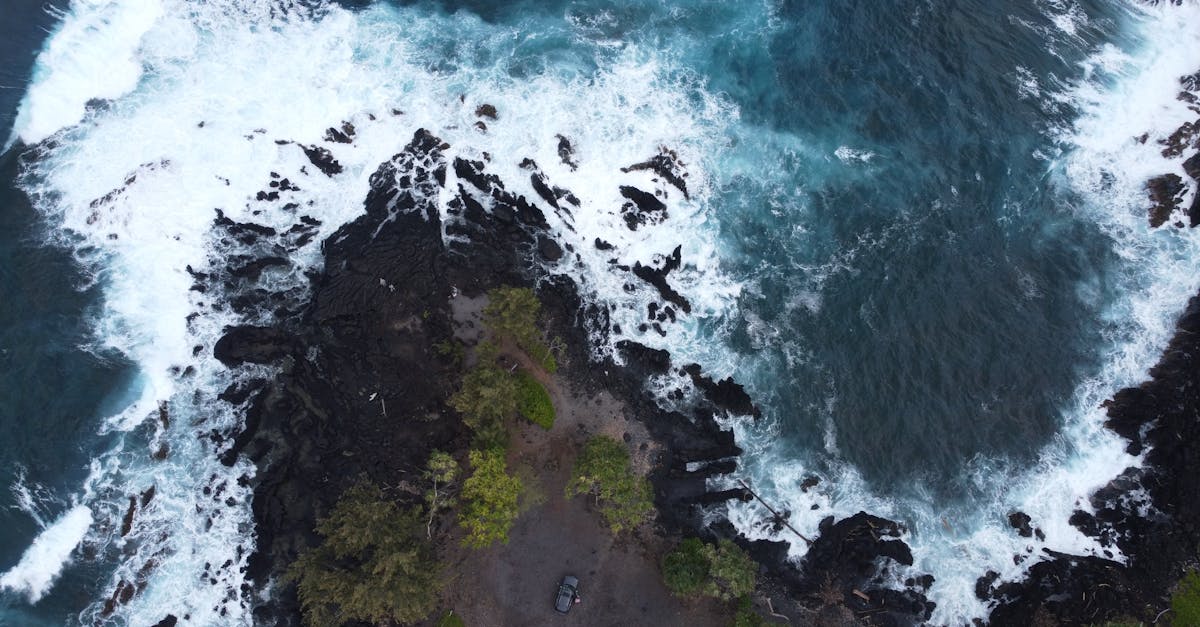
Maui Coastal Erosion Threatens Tourism Assets, Real Estate Values
Accelerating coastal erosion on Maui is visibly shrinking iconic beaches, a trend that directly impacts the appeal of these destinations for tourists and poses a growing risk to beachfront property values. While the exact timeline for widespread impact is uncertain, the visible loss of coastline and iconic palm trees signals an urgent need for tourism operators and real estate owners to assess vulnerability and plan for adaptation.
The Change
Iconic Maui beaches, long celebrated for their natural beauty and drawing significant tourist traffic, are experiencing accelerated rates of coastal erosion. This phenomenon is visually evident through the loss of beachfront areas and, in some cases, the diminishing number of iconic palm trees that once graced the shorelines. While this is a natural process, evidence suggests current rates are increasing, directly affecting the aesthetic and functional appeal of these key tourist areas.
Who's Affected
Tourism Operators
Hotels, resorts, tour operators, and vacation rental businesses located on or near vulnerable beaches face direct consequences. The aesthetic degradation and potential loss of usable beach space can lead to:
- Reduced Visitor Appeal: Beaches that are shrinking or disappearing are less attractive to tourists, potentially leading to fewer bookings and a decline in destination reputation.
- Altered Activity Offerings: Water sports, beachside amenities, and relaxation activities are directly impacted by beach width and stability. This could necessitate changes in service offerings, impacting customer satisfaction and revenue.
- Operational Challenges: Increased storm surge and erosion can damage beachfront infrastructure, leading to costly repairs and temporary closures.
Real Estate Owners
Property owners with beachfront or near-beachfront locations, including residential homeowners, commercial property owners, and developers, are significantly exposed:
- Decreased Property Value: Eroding coastlines directly threaten beachfront real estate, potentially leading to a substantial decrease in property values as proximity to the ocean becomes a liability rather than an asset.
- Increased Insurance Costs: As erosion risk grows, insurance premiums for coastal properties are likely to increase, or coverage may become more difficult to obtain.
- Need for Mitigation: Owners may face significant costs for implementing protective measures such as seawalls, beach nourishment, or property relocation, with varying degrees of success and regulatory hurdles.
Investors
Investors with portfolios concentrated in Hawaii's tourism sector or coastal real estate face indirect but significant risks:
- Devaluation of Assets: Investments in hotels, resorts, and rental properties on affected islands could see a decline in value if the primary draw (the beach) diminishes.
- Increased Capital Expenditure: Properties requiring coastal defense structures or relocation will demand significant capital investment, impacting ROI.
- Market Shift: A widespread perception of increasing coastal risk could deter future investment in Hawaii's tourism and real estate sectors, shifting capital to more stable markets.
Second-Order Effects
Accelerated coastal erosion impacting Maui's tourism infrastructure can trigger a cascade of economic consequences within Hawaii's isolated island economy:
- Reduced Tourism Revenue → Lower State Tax Collections: Diminished visitor spending directly impacts state and county tax revenues, affecting public services and infrastructure budgets.
- Decreased Property Value → Lower Property Tax Base: Widespread erosion leading to reduced property values can shrink the local property tax base, impacting county funding for essential services and schools.
- Increased Infrastructure Costs → Higher Public Debt: Government-funded coastal defense projects (seawalls, beach nourishment) can incur substantial costs, potentially leading to increased public debt or diversion of funds from other critical areas like affordable housing or transportation.
What to Do
Given the gradual but persistent nature of coastal erosion, an immediate 'act now' directive is not yet warranted for all roles. However, a proactive 'watch' stance is crucial.
Tourism Operators
- Monitor Beach Conditions: Regularly assess the condition and usability of beaches associated with your business. Track local reports and scientific studies on erosion rates in your specific area.
- Diversify Offerings: Explore and promote non-beach-dependent activities (e.g., cultural tours, inland adventures, culinary experiences) to reduce reliance on beach appeal.
- Engage with Local Authorities: Stay informed about any local government initiatives or proposed mitigation strategies for coastal protection.
Real Estate Owners
- Assess Vulnerability: Conduct a professional assessment of your property's current exposure to erosion and its projected risk over the next 5-10 years. This may involve consulting with coastal geologists or engineers.
- Review Insurance Policies: Verify your current insurance coverage for potential erosion-related damage. Understand limitations and consider additional riders if available and cost-effective.
- Explore Mitigation Options: Research potential long-term solutions, understanding that many engineered solutions (like seawalls) can exacerbate erosion on adjacent properties and may face regulatory challenges. Nature-based solutions (e.g., dune restoration, vegetation planting) are another avenue to explore.
Investors
- Analyze Portfolio Exposure: Identify investments in Hawaii that are heavily reliant on susceptible beachfront assets or coastal tourism.
- Scrutinize Future Developments: For potential new investments, conduct thorough due diligence on coastal vulnerability assessments and the long-term viability of locations. Fact-check development plans for coastal resilience.
- Monitor Regulatory Landscape: Stay aware of evolving local and state policies regarding coastal zone management, development setbacks, and potential funding for adaptation projects.
Action Details
Monitor beach erosion rates and their impact on visitor traffic and property assessments over the next 12-24 months. If erosion significantly impacts key tourist beaches or leads to a noticeable decline in property valuations in your area by more than 10% annually, reassess your business model, marketing strategy, or investment portfolio to incorporate adaptation or divestment plans. Consult with coastal engineers for property-specific mitigation advice if your real estate is directly threatened.


