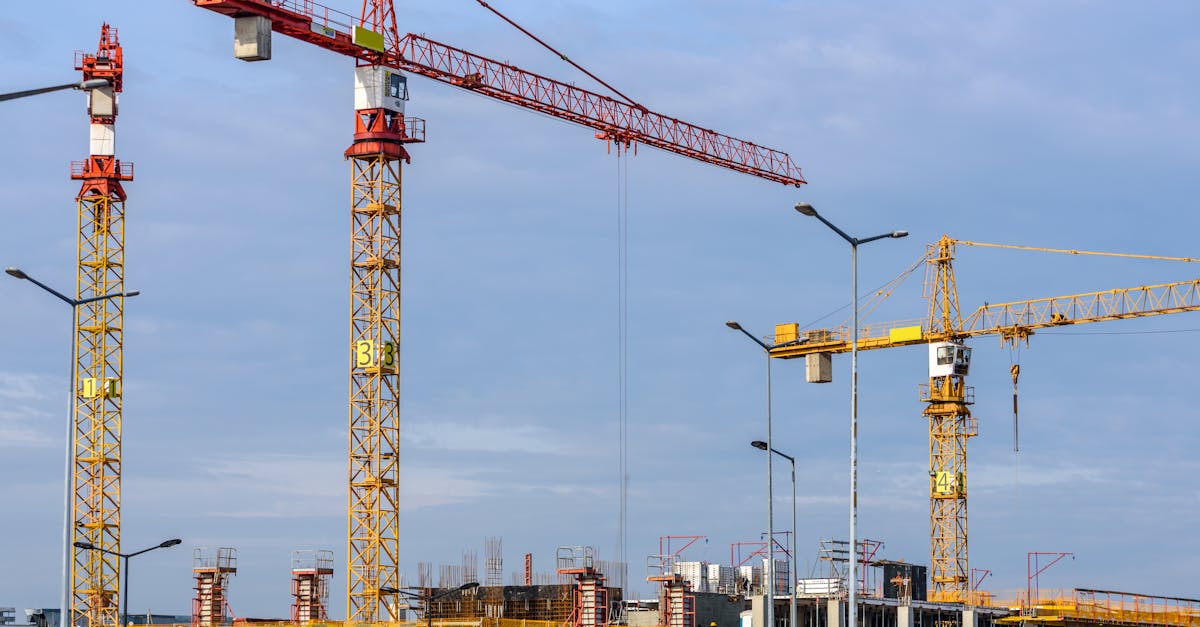
Project Deferral Signals Cautious Development Approach on Maui
The Maui Planning Commission has recommended deferring action on the proposed 1,608-unit Hoʻonani Village housing project near Kahului Airport. This decision, made unanimously on January 14, 2026, requires the developer to submit a draft environmental impact statement (EIS) before the commission will revisit the project proposal. While framed as a compromise between the urgent need for housing and the necessity of thorough due diligence, the deferral signals a potentially more rigorous and time-consuming approval process for future large-scale developments on Maui.
Who's Affected
Real Estate Owners & Developers: For developers, particularly those planning large residential projects like Hoʻonani Village, this deferral means an immediate slowdown. The requirement for a draft EIS adds a significant phase to the permitting process, one that can take many months, if not over a year, to complete and review. This directly translates to increased holding costs, delayed revenue streams, and the potential for escalating construction material and labor costs by the time a project breaks ground. Property owners who might have sold or leased land for such developments should anticipate a longer sales cycle or renegotiated terms. Developers must now budget for extended timelines and potentially more robust community or environmental consultations.
Investors: Investors in Maui's real estate market, especially those focused on large-scale residential or mixed-use developments, should recalibrate their expectations. This decision suggests that the regulatory environment is prioritizing environmental impact assessments for substantial projects, which inherently introduces more uncertainty and extends the investment horizon. For portfolio managers and real estate investment trusts (REITs), this could mean a need to diversify investments away from large-ticket developments until regulatory pathways are clearer or to factor in higher risk premiums. Venture capital and angel investors seeking opportunities in proptech or construction tech that support large developments may find the immediate market for new projects slower to materialize.
Entrepreneurs & Startups: Startups and entrepreneurs in the construction, development services, or related technology sectors may experience a ripple effect. A slower pace of large-scale project approvals means a protracted demand for specialized services. While the long-term need for housing remains, the immediate pipeline of new, large projects could contract, impacting business development and scaling timelines. Companies relying on a steady stream of new development permits for revenue will need to adjust their growth strategies and potentially seek out smaller-scale projects or alternative markets in the interim. Access to funding for startups tied to the development cycle might also become more challenging as investors adopt a more cautious stance.
Second-Order Effects
This deferral, while focused on a single large project, reflects a broader trend on Maui towards more stringent environmental review for development. A slower pace of housing approvals can exacerbate existing housing shortages, potentially driving up rental rates and property values for the limited available housing stock. This increased cost of living can, in turn, put pressure on local businesses to raise wages to attract and retain talent, increasing operating expenses for small businesses. Furthermore, a more cautious development environment can impact the availability of skilled construction labor, potentially leading to labor shortages and increased costs for any ongoing or smaller-scale projects.
What to Do
Real Estate Owners & Developers:
Watch: Monitor the Maui County Planning Department for updates on the Hoʻonani Village project's EIS status and observe how similar large-scale housing proposals are being reviewed. Pay close attention to any changes in the EIS or environmental review process requirements implemented by the Maui County Council following this decision. Seek counsel from environmental consultants and legal advisors on navigating the EIS process efficiently.
Investors:
Watch: Track the progress of the Hoʻonani Village project's environmental review and any subsequent decisions made by the Maui Planning Commission and County Council on other large development proposals. Analyze the impact of extended development timelines on projected returns for real estate assets on Maui. Consider diversifying investment strategies to include projects with less complex regulatory hurdles or in sectors less dependent on large-scale new construction.
Entrepreneurs & Startups:
Watch: Keep an eye on the Maui County planning calendar for upcoming development application hearings and monitor press releases from the Maui Planning Commission regarding their assessment of development proposals. Observe trends in demand for construction and development-related services, and be prepared to pivot to smaller projects or adjacent service areas if large-scale development momentum slows significantly. Track local and state government initiatives aimed at streamlining development processes, which could signal future opportunities.