Maui Luxury Retailers Face Increased Security Costs Amid Organized Theft Trends
A recent spree of organized retail theft in Wailea, involving the alleged pilfering of over $80,000 in luxury goods, indicates a broadening pattern of high-value targeting. This event serves as a critical warning for luxury retailers on Maui and across Hawaii, suggesting an escalating risk that could necessitate increased security investments and potentially higher insurance premiums. While the immediate incident resulted in two arrests, the ongoing presence of a third suspect and the organized nature of the theft underscore a persistent threat.
The Change
On the evening of July 30, 2026, Maui Police responded to a report of an organized retail theft at a Wailea retail complex. Three suspects allegedly targeted luxury items, with the stolen goods valued at over $80,000. Two individuals, an 18-year-old from Miami and a 15-year-old from Lahaina, were apprehended. A third suspect, a male juvenile, fled the scene and remains at large. This incident, occurring in a high-end retail district, signals a potential escalation in organized retail crime targeting premium goods within Hawaii's tourism-dependent economy.
Who's Affected
Luxury Retailers (Small Business Operators & Tourism Operators): Businesses dealing in high-value goods (jewelry, designer apparel, electronics) are directly exposed. The primary impact is the risk of direct financial loss through theft. Beyond immediate losses, retailers may face increased insurance premiums and the necessity of investing in enhanced security measures such as surveillance systems, security personnel, and inventory control protocols. This can add significant overhead to already competitive operating margins.
Real Estate Owners and Property Managers: Owners of retail complexes, particularly those housing luxury brands, should anticipate tenant concerns regarding security. Property management may need to invest in upgraded common area security, lighting, and potentially on-site security personnel to maintain tenant retention and attract new high-value businesses. Lease agreements may be scrutinized for security responsibility clauses.
General Small Business Operators: While this incident specifically targeted luxury goods, the underlying trend of organized retail crime can potentially spread to other retail sectors and service businesses. Operators should be aware of their environment and ensure basic security measures are in place.
Investors: Investors in Hawaii's retail sector, especially those with portfolios concentrated in high-end shopping districts, should assess the security risk profile of their investments. An increase in such incidents could affect property valuations and the attractiveness of retail spaces for luxury brands.
Second-Order Effects
The rise in organized retail theft and the associated security costs can have cascading effects on Hawaii's economy. Increased operational expenses for retailers due to security upgrades and higher insurance premiums can lead to price increases for consumers, contributing to inflation. This, in turn, can impact the overall affordability of goods and potentially affect consumer spending, even among tourists. Furthermore, if security concerns become pervasive, they could detract from the perceived safety and appeal of certain retail destinations, indirectly affecting the tourism industry's reputation and revenue. For businesses struggling with existing labor shortages, the cost of additional security personnel could further strain hiring and retention budgets.
What to Do
Given the "WATCH" action level, the immediate focus is on monitoring and preparedness rather than urgent operational changes. Retailers and property owners should adopt a proactive stance to mitigate potential future risks.
Luxury Retailers:
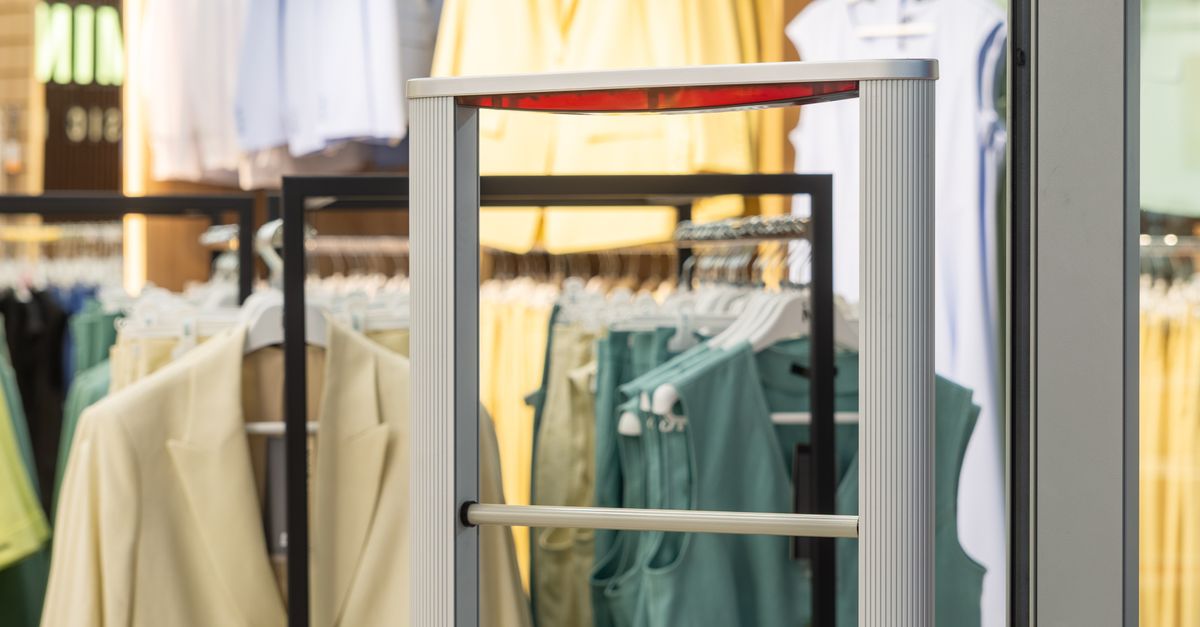
- Action: Begin reviewing current security protocols and technology. Research the latest advancements in retail security, including advanced surveillance, RFID tagging, and asset protection technologies. Evaluate the cost-benefit of increasing on-site security presence or investing in improved alarm systems. Engage with your insurance providers to understand potential premium adjustments and explore available risk mitigation discounts.
- Deadline: No hard deadline, but reassess security strategies within the next 90 days.
Real Estate Owners and Property Managers:
- Action: Communicate with your retail tenants about the incident and your commitment to security. Review existing property security measures, including lighting, access control, and surveillance in common areas. Consider enhancing these measures proactively. Work with tenants to ensure they are also updating their in-store security.
- Deadline: Initiate tenant communication within 30 days.
General Small Business Operators:
- Action: Stay informed about local crime trends. Ensure basic security measures are robust, including adequate lighting, functional locks, and visible signage for security systems. Report any suspicious activity promptly to local authorities.
- Deadline: This is an ongoing risk; ensure basic security checks are part of routine operations.
Investors:
- Action: Monitor reports on retail crime rates in Hawaii. Factor the potential impact of increased security costs and potential retail vacancies into your investment risk assessments for properties in affected areas.
- Deadline: Monitor quarterly reports on retail security trends.