Maui Property Owners Face 30-Day Window for Subsidized Storm Debris Removal
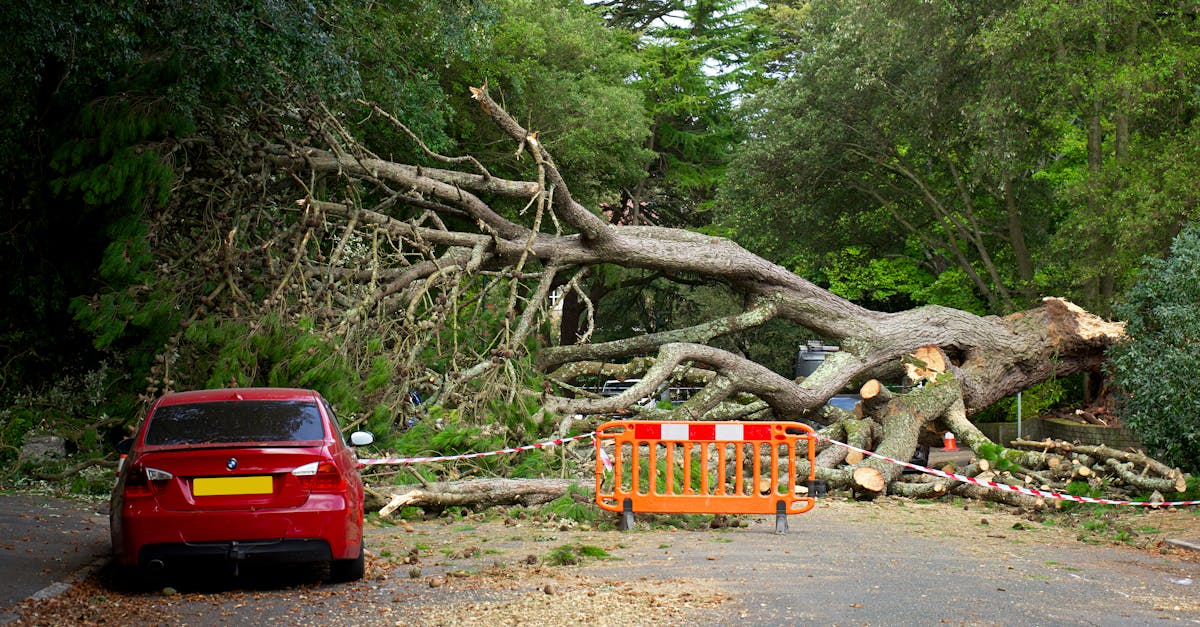
Maui property owners who sustained damage from recent kona storms now have a critical window to access subsidized residential debris removal services. The County of Maui, through a coordinated effort involving the Department of Environmental Management, Department of Public Works, Maui Emergency Management Agency, and the Office of Recovery, is mobilizing resources to assist residents, particularly kūpuna and individuals physically unable to manage debris removal themselves. This initiative, while providing much-needed relief, requires prompt action due to potential service capacity limitations and the risk of further property degradation.
Who's Affected
Real Estate Owners:
For owners of residential properties, particularly those with significant storm damage, the county's debris removal program offers substantial cost savings. Professional debris hauling and disposal can range from several hundred to tens of thousands of dollars, depending on the volume and type of debris, as well as the accessibility of the property. By utilizing these subsidized services, owners can avoid direct out-of-pocket expenses for hauling, dumping fees, and labor. This is especially critical for landlords or property managers responsible for restoring rental units to habitability, as delays in cleanup can lead to lost rental income.
Small Business Operators (with Residential Property Damage):
While many small businesses focus on commercial property cleanup, some operators may own residential properties that were also affected by the storms. For these individuals, the county service presents an opportunity to offload the burden and cost of clearing debris from their personal residences. This allows business owners to redirect their limited resources and attention toward restoring their commercial operations and mitigating business losses, rather than simultaneously managing significant personal property cleanup.
Second-Order Effects
Limited county debris removal capacity → Slower overall community recovery time → Increased demand on private haulers → Higher costs for non-subsidized debris removal → Delayed rebuilding timelines for some properties → Potential for mold and further structural degradation on exposed properties, increasing long-term repair costs. Furthermore, the concentration of cleanup resources may divert personnel from other ongoing county maintenance or infrastructure projects, potentially leading to minor delays in routine services elsewhere on the island.
What to Do
Real Estate Owners:
- Assess Debris Immediately: Determine the extent of storm-related debris on your residential property. Prioritize hazardous materials and large-volume obstructions.
- Verify Eligibility: Confirm your property address with the County of Maui's designated recovery office to ensure it falls within the affected service areas.
- Submit Application Promptly: Visit or contact the Maui County Office of Recovery or relevant departments (Environmental Management, Public Works) to obtain and submit the debris removal application. Applications should be submitted as soon as possible, ideally within the next 30 days from the storm event, as service capacity is finite. Delays in application can result in being placed on a waiting list or being deemed ineligible if services are fully utilized.
- Prepare Property (if self-hauling option applies): For those who can self-haul but require assistance, or if the program has phased eligibility, understand county guidelines for debris separation and staging for pickup.
Small Business Operators (with damaged residential property):
- Prioritize Residential Cleanup: If your residential property is damaged, treat its cleanup with the same urgency as a business operation, especially if you are unable to self-haul.
- Follow Owner Guidance: Implement steps 1-4 outlined for Real Estate Owners to secure county assistance for your residential debris removal.
- Allocate Resources: Once residential debris removal is secured, re-focus internal resources on stabilizing and reopening your business operations.