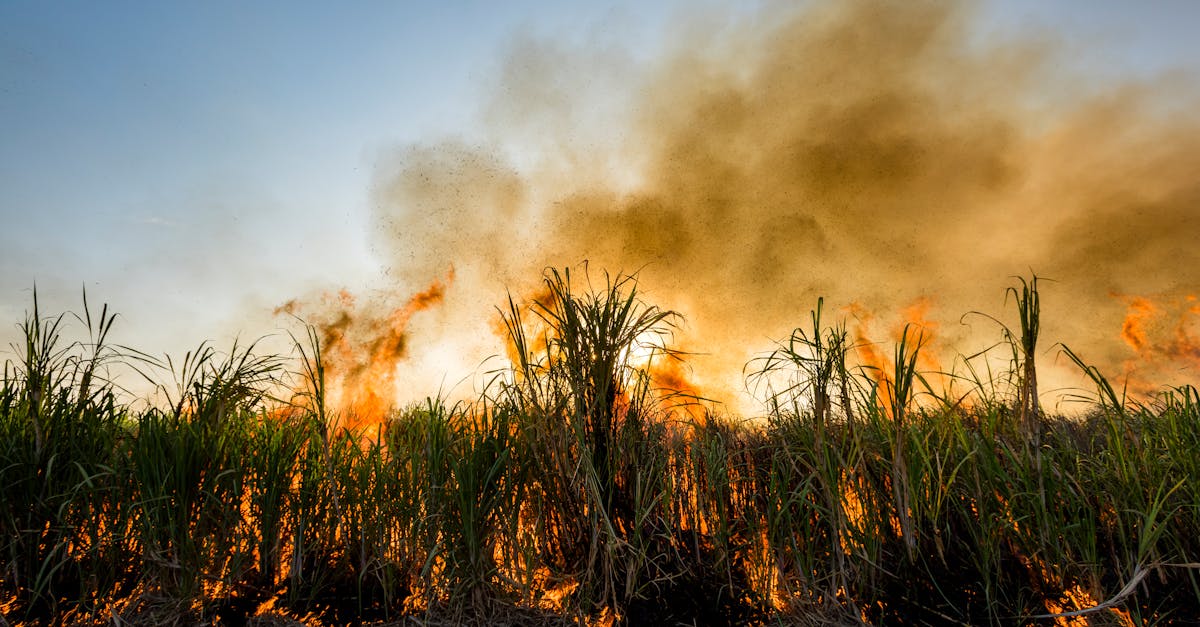
Maui Real Estate Owners Face Increased Wildfire Risk; Actionable Mitigation Event Scheduled
The County of Maui Office of Recovery is hosting a free presentation focused on reducing the tangible risks wildfire poses to homes, neighborhoods, and communities across Maui Nui.
The Event: Wildfire Risk Reduction Presentation
This free event, scheduled for Wednesday, February 11th, at 5:00 PM, will take place at the Maui Arts & Cultural Center Morgado Hall in Kahului. It is designed to equip residents, property owners, and business operators with practical knowledge and resources to mitigate wildfire threats. While the event itself is a source of information, its significance lies in providing actionable steps that can be implemented before the island experiences its typical peak wildfire season, which often begins in the late spring and summer months.
Who's Affected?
Real Estate Owners (Property Owners, Developers, Landlords, Property Managers)
For Maui's real estate stakeholders, the implications of wildfire risk are direct and potentially severe. Property values can be significantly impacted by proximity to high-risk zones, and insurance premiums are likely to escalate or coverage may become increasingly difficult to obtain in vulnerable areas. Developers planning new construction must integrate defensible space requirements and fire-resistant building materials into their plans from the outset. Landlords and property managers have a responsibility to ensure their managed properties comply with any emerging fire safety ordinances and to communicate risks and mitigation strategies to tenants. The information presented at the event is critical for understanding updated building codes, landscaping recommendations, and best practices for creating fire-resilient properties. Ignoring these risks could lead to substantial repair costs, loss of property, or even complete devaluation of assets in the event of a wildfire.
Small Business Operators (Restaurant Owners, Retail Shops, Service Businesses, Local Franchises)
Small businesses, particularly those operating in or near vegetated areas, face significant operational and financial threats from wildfires. Beyond direct physical damage to premises, supply chain disruptions, utility outages, and mandated evacuations can lead to prolonged business interruption, loss of revenue, and employee displacement. The cost of rebuilding or relocating after a fire can be prohibitive for small enterprises. Understanding how to create defensible space around commercial properties, secure essential business documents and inventory, and develop robust emergency preparedness plans are vital functions. Participation in this event can help small operators identify vulnerabilities and implement cost-effective mitigation measures, safeguarding their livelihoods and their contribution to the local economy.
Agriculture & Food Producers (Farmers, Ranchers, Food Producers, Aquaculture Operators)
For Maui's agricultural sector, wildfires represent an existential threat. Entire harvests of crops, vast acreage of grazing land for livestock, and critical infrastructure like irrigation systems, barns, and processing facilities are highly vulnerable. The loss of agricultural land due to fire can have long-term consequences for food security and the local economy. Ranchers face the immediate danger of livestock loss and the destruction of fencing and water sources. Producers must also contend with the risk of damaged equipment and the potential for contaminated products. The educational event offers an opportunity to learn about best practices for creating firebreaks, managing vegetation on agricultural lands, protecting water resources, and securing livestock and valuable crops. Proactive planning for a wildfire scenario is not just advisable; it is essential for business continuity and survival.
Second-Order Effects
Increased wildfire risk and the associated mitigation efforts can create a ripple effect throughout Maui's economy. For example, heightened insurance costs for properties in wildfire-prone areas could lead to increased rental rates for both residential and commercial spaces, thereby raising the cost of living and operating expenses for small businesses. This, in turn, could put pressure on wages as employees seek higher compensation to cover their own rising living costs. Furthermore, significant investment in fire-resistant building materials and landscaping, while necessary, adds to construction and renovation expenses, potentially impacting the pace of new development and increasing the cost of imported materials due to limited local supply chains. The economic impact extends to tourism, as wildfire events can deter visitors and disrupt travel, affecting a critical sector of the island's economy.
What to Do
Real Estate Owners:
Act Now: Attend the free wildfire risk reduction presentation on February 11th at MACC Morgado Hall. Prioritize implementing recommended defensible space strategies around properties by March 15th. Review existing insurance policies for wildfire coverage gaps and consult with insurance agents to explore additional or alternative coverage options before April 30th. For new developments, ensure all fire-resistant building codes and landscaping plans are integrated into the initial design phase.
Small Business Operators:
Act Now: Attend the free wildfire risk reduction presentation on February 11th. Develop or update an emergency preparedness plan by March 1st, focusing on business continuity, data backup, and employee communication. Evaluate and implement recommended landscaping and defensible space measures around your business premises by April 1st. Investigate options for business interruption insurance and secure critical assets and inventory where possible before April 15th.
Agriculture & Food Producers:
Act Now: Attend the free wildfire risk reduction presentation on February 11th. Develop or revise farm and ranch fire management plans by March 15th. Assess crucial infrastructure (barns, irrigation, fences) for vulnerability and prioritize protective measures or relocation where feasible by April 15th. Implement vegetation management plans for creating firebreaks and reducing fuel loads on agricultural lands by May 1st. Secure livestock and ensure emergency water sources are available before the peak season.


