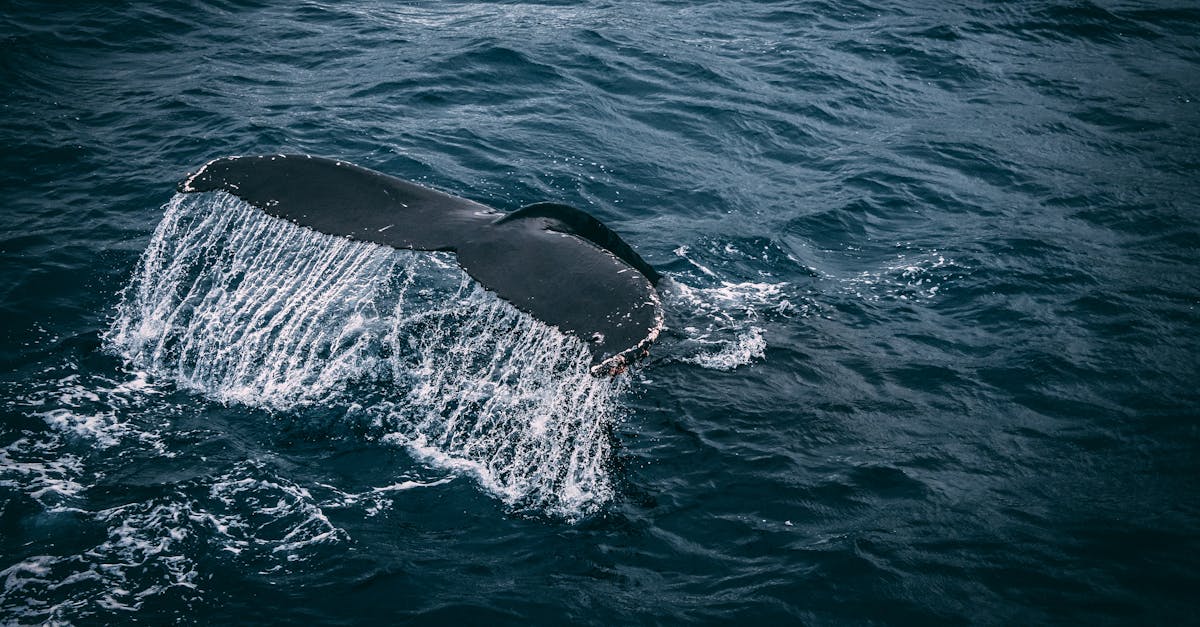
Maui Tourism Operators Face Immediate Demand Spike with Humpback Whale Season Kick-off
The highly anticipated arrival of humpback whales in the waters surrounding Maui Nui marks the definitive commencement of the winter peak tourism season. This natural phenomenon, a driving force behind Maui's winter economy for decades, presents an immediate operational challenge and revenue opportunity for tourism-dependent businesses.
The Change
The annual migration of humpback whales from Alaska to Hawaii's warm waters for breeding and calving has begun in earnest. This natural event, typically spanning from November to May with a peak between January and March, directly translates to increased visitor arrivals and a significant upswing in demand for tourism-related services. The presence of these majestic creatures is a primary draw for a substantial segment of winter visitors to Maui.
Who's Affected
Tourism Operators (Hotels, Tour Companies, Vacation Rentals, Hospitality Businesses)
The start of whale watching season triggers an immediate and substantial increase in booking inquiries across all accommodation and activity sectors. Operators can anticipate a 15-25% surge in demand for tours, lodging, dining, and related services over the next 60-90 days. This requires swift action on staffing, inventory management, and service capacity to meet heightened visitor expectations and avoid service degradation.
Securing and training seasonal staff must be prioritized within the next two weeks to handle the influx. Ancillary services, such as restaurants and retail, will also experience a proportional demand increase, necessitating advanced inventory and staffing considerations.
Investors (VCs, Angel Investors, Portfolio Managers, Real Estate Investors)
For investors with exposure to Maui's tourism sector, the active whale watching season represents a critical revenue period. Monitoring short-term occupancy rates, average daily rates (ADRs), and the performance of tour operators and hospitality businesses is crucial. Increased visitor numbers can translate to robust top-line growth for portfolio companies and potential for increased property valuations in high-demand areas. However, this also highlights the sector's dependence on seasonal attractions and natural phenomena, a key risk factor to consider for diversification strategies.
Second-Order Effects
The surge in visitor traffic during whale watching season has several ripple effects throughout Maui's economy:
- Increased Visitor Demand → Higher Occupancy Rates → Strain on Local Infrastructure (Water, Waste, Power) → Potential for Service Disruptions: As hotels and vacation rentals fill, the demand on essential services intensifies. While not immediately critical, sustained high occupancy can exacerbate existing infrastructure limitations.
- Elevated Visitor Demand → Increased Need for Seasonal Labor → Upward Pressure on Wages → Higher Operating Costs for Businesses: The demand for temporary staff in hospitality and tourism roles will drive up wages for seasonal positions, increasing operating expenses for tourism operators.
- Peak Season Visitor Influx → Higher Local Consumer Prices for Goods and Services → Increased Cost of Living for Residents: Increased demand from a larger, higher-spending visitor population can lead to price inflation for goods and services that locals also rely on.
What to Do
Tourism Operators
This is a critical revenue window that requires immediate operational adjustments. The peak whale watching season is active now. Failing to prepare immediately will result in missed revenue opportunities and potential damage to brand reputation due to service shortfalls.
- Staffing Confirmation (Immediate - within 7 days): Review current staffing levels against projected occupancy and tour bookings for the next 60-90 days. Secure any necessary seasonal staff, confirm availability, and conduct any urgent pre-season training.
- Inventory & Supplies (Immediate - within 7 days): Assess inventory levels for food, beverages, retail goods, and operational supplies. Place orders to ensure sufficient stock to meet anticipated demand from both visitors and staff.
- Service Capacity Review (Immediate - within 14 days): Evaluate the capacity of your operations, including tour boats, restaurant seating, and check-in/check-out processes. Implement efficiencies or temporary solutions to handle increased volume.
- Marketing & Promotions (Ongoing): While demand is high, ensure marketing efforts continue to highlight specific offerings, package deals, and unique experiences related to whale watching and the winter season to capture maximum market share.
Investors
This period offers a window to assess the performance of existing tourism-related investments and identify potential short-term opportunities.
- Performance Monitoring (Ongoing - weekly): Closely monitor key performance indicators (KPIs) for your hospitality and tourism holdings, including occupancy rates, RevPAR (Revenue Per Available Room), and excursion bookings. Compare current performance against historical data for the same period.
- Ancillary Revenue Assessment (Monthly): Analyze the performance of ancillary revenue streams (e.g., F&B, retail, spa services) which often see significant uplift during peak seasons. This provides a more nuanced view of operational success beyond room rates.
- Identify Seasonal Bottlenecks (Action - within 30 days): If portfolio companies are experiencing operational strain due to rapid demand increases, explore how their management is addressing these challenges. This can indicate operational resilience or areas requiring strategic intervention.
Source: Maui Now


