


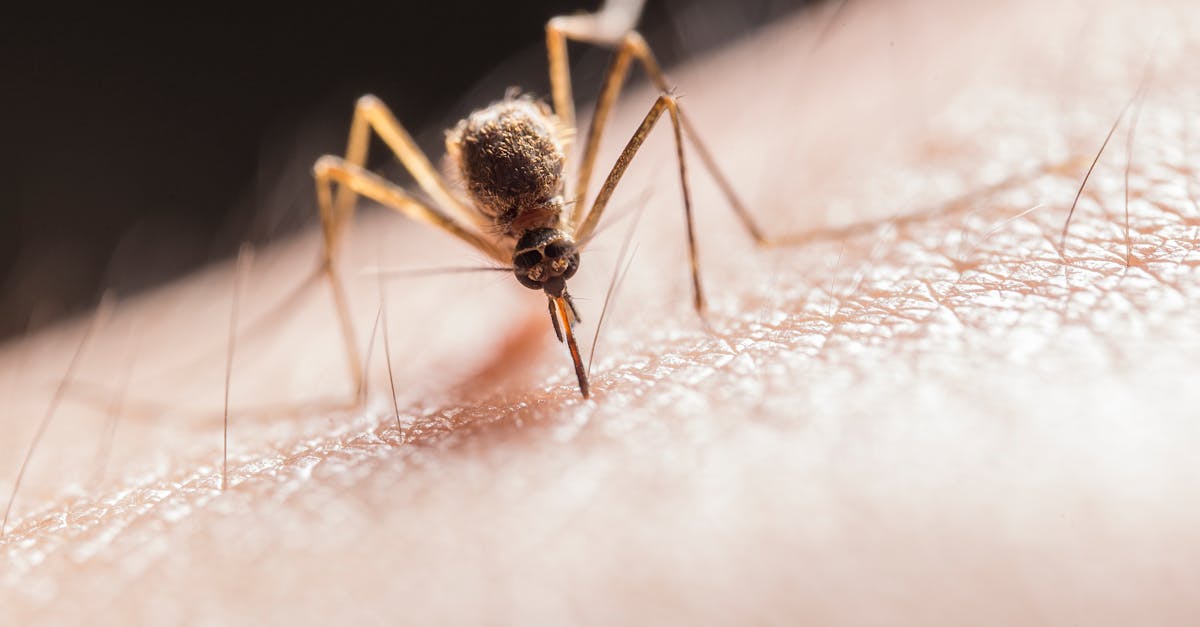
Maui Tourism Operators Face Increased Scrutiny as First 2026 Dengue Case Confirmed
The confirmation of the state's first travel-related dengue case of 2026 on Maui has initiated a period of increased public health vigilance. While currently isolated, this event introduces a low-level risk for the tourism sector and businesses reliant on visitor traffic. The primary implication is the potential for shifts in visitor perception and demand, necessitating a proactive monitoring strategy.
The Change
The Hawaii Department of Health (DOH) confirmed the first travel-related dengue virus case of 2026 on February 14, 2026, identifying the case as occurring on Maui. Dengue is a mosquito-borne illness, and while this is the first reported case of the year, it highlights the ongoing risk of such diseases in the state. The DOH typically monitors for such cases and provides public health guidance. The current situation implies a heightened awareness among health authorities, which could translate into more frequent public health updates or advisories if the risk of local transmission increases.
While the DOH has not issued widespread public health alerts beyond confirming the case, the presence of the virus underscores the need for preparedness within the tourism ecosystem. The absence of further immediate widespread advisories suggests that the immediate risk of local transmission is assessed as low by health officials, but this situation is fluid.
Who's Affected
Tourism Operators (Hotels, Tour Companies, Vacation Rentals, Hospitality Businesses)
Implication: While a single case is unlikely to cause immediate booking cancellations, it raises the specter of negative publicity and a potential dip in visitor confidence if more cases emerge or if local transmission becomes a concern. Operators should be prepared to address guest inquiries regarding health and safety protocols. This could also influence marketing strategies, with a potential shift towards emphasizing destinations or activities perceived as having lower mosquito-borne disease risk, should that perception arise within the travel market.
Timeline: The impact, if any, will likely unfold over the next 30-60 days, dependent on whether additional cases are reported or if public health advisories are elevated.
Healthcare Providers (Private Practices, Clinics, Medical Device Companies, Telehealth Providers)
Implication: Healthcare professionals may see an increase in patient inquiries about dengue symptoms or prevention, particularly those who have traveled to or reside on Maui. While the number of cases is currently very low, robust public health messaging is crucial. Providers should ensure their staff are up-to-date on current dengue prevention and treatment guidelines, as recommended by the Hawaii Department of Health.
Timeline: Any impact is immediate, with potential for increased patient inquiries in the short term.
Small Business Operators (Restaurants, Retail Shops, Service Businesses)
Implication: For most small businesses, the direct impact is minimal unless they are heavily reliant on specific tourist demographics that might alter their travel plans due to health concerns. However, any significant downturn in tourism would indirectly affect foot traffic and sales. Businesses located in highly tourist-frequented areas on Maui are most susceptible to indirect effects.
Timeline: Secondary effects would be observed over 60-90 days if tourism numbers significantly decline.
Second-Order Effects
An increase in dengue cases, even travel-related initially, could lead to heightened mosquito control efforts. This might involve increased aerial or ground spraying near tourist areas. Such measures, while aimed at public health, could potentially affect the ambiance of open-air dining or outdoor activities, indirectly impacting the customer experience for tourism operators. Furthermore, sustained concerns about vector-borne diseases could prompt a review of visitor promotion budgets, reallocating funds from general marketing to targeted health communication campaigns by organizations like the Hawaii Tourism Authority. This represents a potential shift in resource allocation within the broader tourism promotion ecosystem.
What to Do
Action Level: WATCH
Action Details: Tourism operators should proactively monitor official advisories from the Hawaii Department of Health and the U.S. Centers for Disease Control and Prevention (CDC) regarding dengue activity. Prepare a communications plan to address potential guest concerns about mosquito-borne illnesses, emphasizing existing preventative measures and health advisories. Review cleaning and pest control protocols for common areas and accommodations. For healthcare providers, ensure staff are informed about current dengue symptomology and prevention advice, and be prepared to respond to increased patient inquiries.


