Maui Tourism Operators Face Temporary Disruption from January 19-20 North/West Swell
Executive Brief
A short-lived, advisory-level swell will impact Maui's north and west-facing shores on January 19-20, potentially disrupting coastal activities and requiring operational adjustments. Tourism operators should monitor conditions closely and adjust visitor bookings for affected tours and beach access.
- Tourism Operators: Potential for cancellation of water-based tours and limited beach access, impacting visitor satisfaction and revenue.
- Timeline: January 19-20, 2026.
- Action: Monitor surf reports and communicate potential disruptions to guests.
The Change
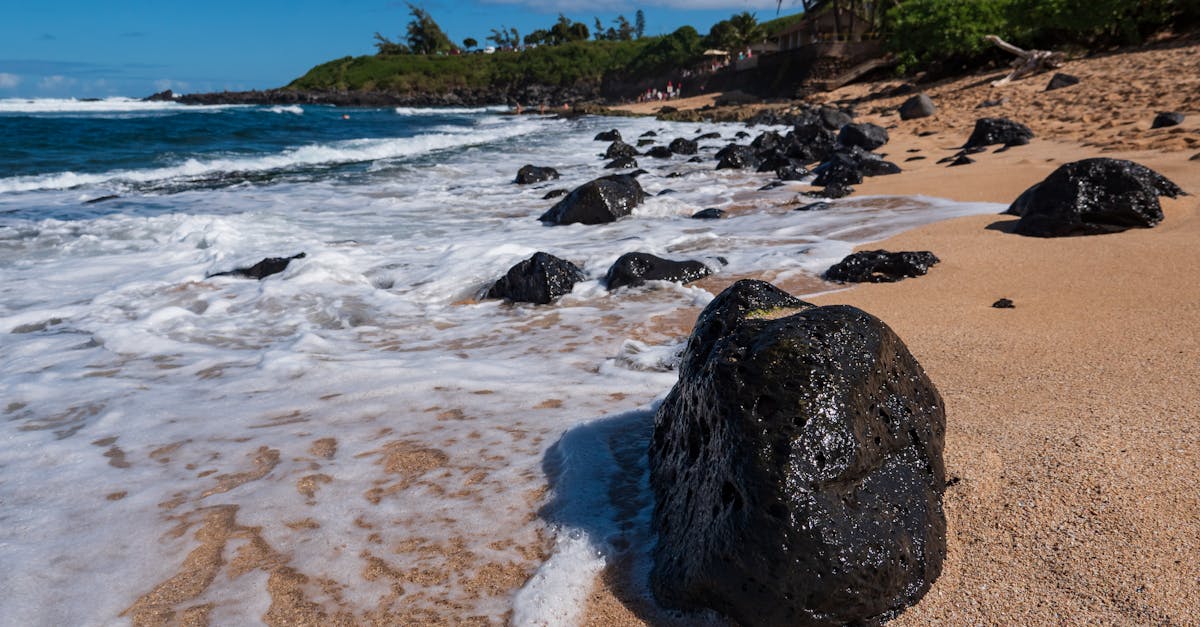
On January 19-20, 2026, Maui will experience a temporary increase in surf height due to a short-lived northwest swell. The swell is forecast to peak on the evening of January 19th and begin declining on January 20th. The surf is expected to reach advisory levels along exposed north and west-facing shores. This indicates surf conditions that could pose a risk to less experienced water users and may lead to temporary closures of certain coastal recreation areas or advisories for existing conditions.
Who's Affected
Tourism Operators (Hotels, Tour Companies, Vacation Rentals, Hospitality Businesses):
This short-term forecast directly impacts operations reliant on predictable coastal conditions. For tour operators offering snorkeling, surfing lessons, or boat excursions on the north and west coasts, there is a significant risk of cancellations or rescheduling. Hotels and vacation rental managers in affected areas should prepare for guest inquiries regarding beach access and activity feasibility. Communications regarding potential disruptions will be critical to managing guest expectations and ensuring safety protocols are in place. While the swell is short-lived, it directly impacts peak visitor activity during this period.
Second-Order Effects
While the immediate impact is on tourism operators' daily schedules and revenue, the ripple effects extend to the broader island economy.
-
Advisory Surf Conditions → Reduced Water Activity Participation → Lower Demand for Associated Services → Decreased Revenue for Tour Operators and Local Retailers: When surf conditions make popular water sports unsafe or inaccessible, it directly reduces business for surf schools, boat tour operators, and even restaurants and shops catering to tourists enjoying these activities. This loss of a specific revenue stream can strain small businesses that have already invested in staffing and equipment for the expected visitor volume.
-
Potential for Rescheduling/Cancellations → Visitor Dissatisfaction → Negative Online Reviews → Reduced Future Bookings: Consistent disruptions without clear communication can lead to negative guest experiences, which in Hawaii's competitive tourism market, can deter future bookings and damage a business's reputation.
What to Do
Tourism Operators:
Monitor Surf Conditions and Implement Communication Protocols:
- Action: Closely monitor surf forecasts from reliable sources like Maui Now and the National Weather Service. Pay particular attention to advisories for north and west-facing shores.
- Immediate Action Window: January 18-20, 2026.
- Communication: Proactively inform guests booked for activities on January 19-20 about potential changes or cancellations. Have contingency plans for alternative activities (e.g., cultural tours, inland attractions) ready.
- Safety First: Do not compromise on safety to accommodate bookings. It is better to reschedule or cancel than to risk guest well-being.
Do Nothing (for other roles):
For roles not directly involved in coastal tourism operations on Maui, this specific forecast requires no immediate action. It is recommended to file this information for future reference, as similar weather patterns can recur and impact business continuity planning for tourism-dependent sectors.


