Strengthened Southerly Winds Impact Maui Operations
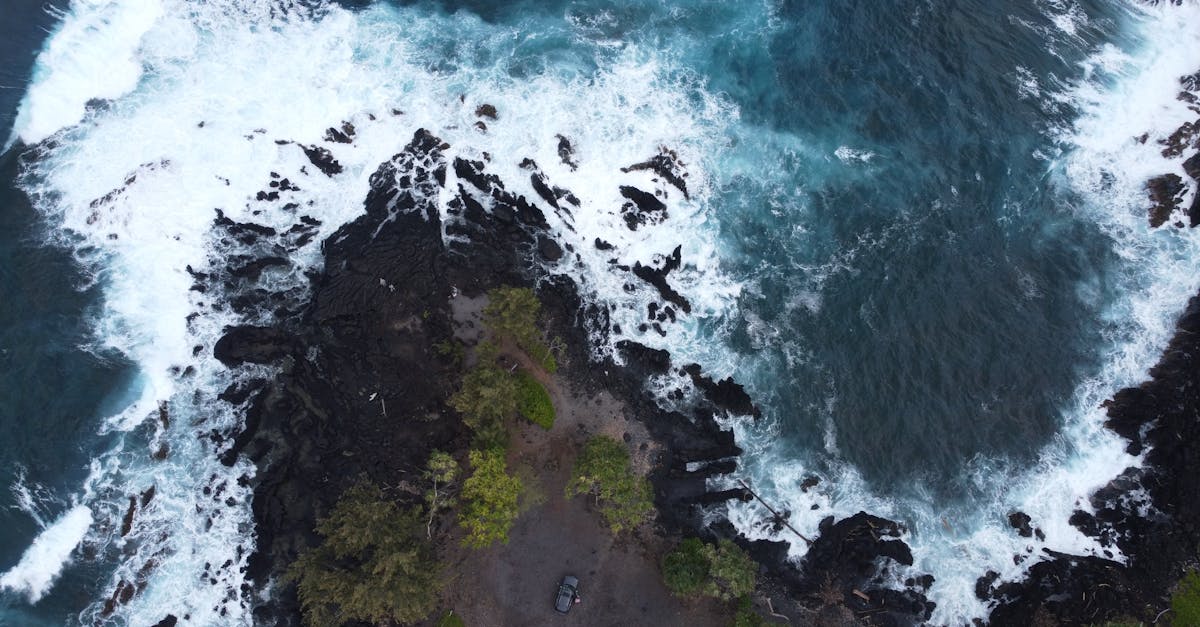
A cold front moving into the Hawaii region on January 14, 2026, is forecast to bring strengthened southerly winds across all islands, including Maui. These winds are expected to persist throughout the day and could lead to increased wave action and potential disruptions for marine-based activities and transportation.
Who's Affected
Tourism Operators:
- Ferry Services: Businesses operating inter-island ferries, such as the Maui-Molokai and Maui-Lanai routes, should anticipate potential delays or cancellations. Increased wave heights and stronger headwinds can significantly impact travel times and passenger comfort. It is crucial to monitor advisories from ferry operators and the U.S. Coast Guard.
- Boat Tours and Excursions: Companies offering whale watching, snorkeling, diving, or sunset cruises may face cancellations or schedule changes. Southerly winds can create rougher seas, particularly on south-facing shores, making excursions unsafe or unpleasant. Operators should prepare contingency plans for alternative activities or flexible rescheduling.
- Coastal Accommodations and Beach Activities: Hotels and vacation rentals located on south Maui shores may experience increased wave action affecting beach access and swimming conditions. Businesses offering beach equipment rentals or guided beach tours should assess conditions and safety.
Small Business Operators:
- Coastal Businesses: Restaurants, bars, and retail shops situated along popular southern coastlines might experience reduced foot traffic if beach access is compromised or if general public perception of conditions is negative.
- Marine Supply and Service Providers: Businesses supplying or servicing marine vessels may see a temporary dip in demand for routine services if activity is curtailed, but could see an uptick in minor repair needs due to rougher conditions.
Second-Order Effects
Increased southerly winds can lead to rougher seas, impacting ferry schedules. This can cause cascading effects:
- Delayed ferry service → Tourists miss connecting transport → Frustrated visitors and potential loss of touring revenue for hotels/tour operators
- Rough seas → Cancelled boat tours → Reduced visitor spending on excursions → Lower revenue for tour operators and impact on related businesses (e.g., restaurants frequented by tour groups).
- Sustained rough weather → Negative visitor perception → Potential for future booking cancellations or re-evaluations of destination choice, impacting overall tourism numbers and hotel occupancy rates.
What to Do
Tourism Operators:
- Daily Weather Monitoring: Implement a daily protocol to check the Maui weather forecast (e.g., Maui Now Weather) and any official maritime advisories from the National Weather Service (National Weather Service Honolulu).
- Proactive Communication: If cancellations or significant delays are anticipated, notify affected guests at least 12-24 hours in advance. Offer options for rescheduling, alternative activities, or refunds to maintain customer satisfaction.
- Contingency Planning: Develop backup plans for tours that may be impacted, such as suggesting land-based activities or focusing on sheltered harbors or north/west coast operations if viable and safe.
Small Business Operators:
- Monitor Local Conditions: Stay informed about any localized advisories from county or state authorities regarding beach access or safety.
- Staffing Flexibility: If operating in highly weather-dependent areas, consider staffing flexibility to adjust to potential lulls in customer traffic.
Action Details:
Monitor daily weather forecasts and maritime advisories from official sources such as Maui Now Weather and the National Weather Service Honolulu. If sustained winds exceed 25 knots or maritime advisories are issued indicating hazardous sea conditions, tourism operators should be prepared to adjust or cancel water-based excursions and ferry services. Communicate any changes to guests at least 12 hours in advance and explore alternative activities or rescheduling options.


