Middle East Tensions Could Increase Hawaii Business Input Costs and Disrupt Logistics
Summary: Escalating geopolitical tensions in the Middle East raise the immediate risk of oil price spikes and global shipping disruptions, which could directly impact Hawaii's import-reliant economy. Businesses should monitor energy markets and shipping schedules for potential impacts on operating expenses and supply chain reliability.
- Small Business Operators: Face potential rises in fuel and shipping costs, impacting margins.
- Tourism Operators: Could see increased airfare and transport costs.
- Agriculture & Food Producers: Experience higher costs for feed, fertilizer, and shipping.
- Investors: Should assess exposure to oil price volatility and supply chain risks.
- Action: Monitor oil futures and major shipping lane status.
The Change
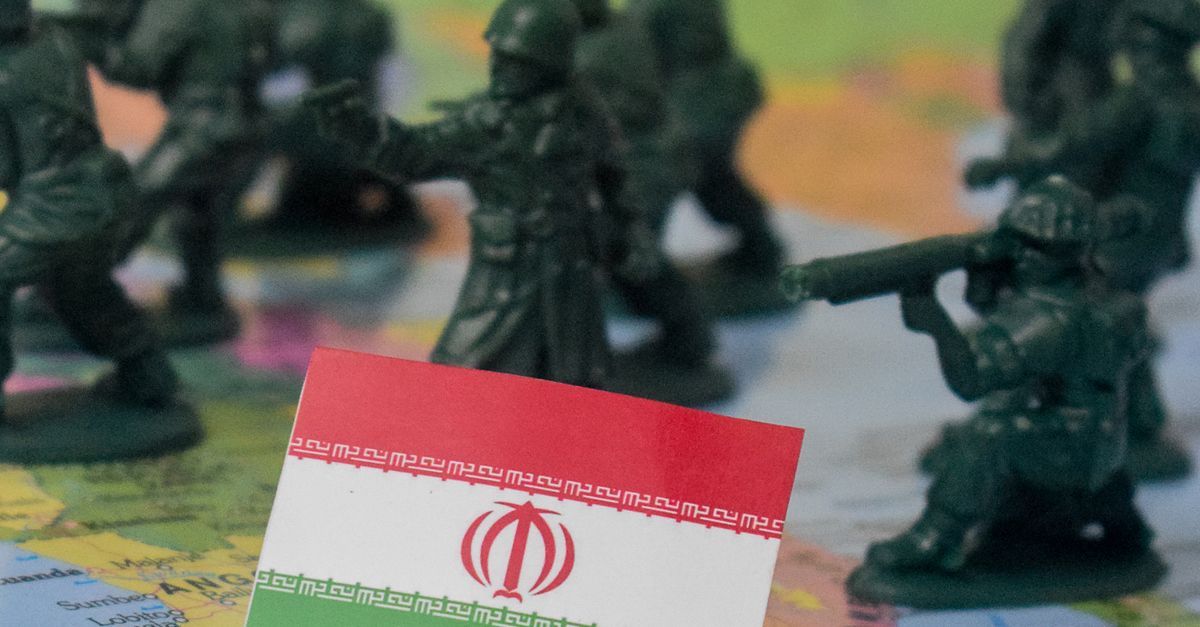
Reports indicate that the United States is withdrawing some personnel from military bases in the Middle East amidst heightened tensions with Iran. A senior Iranian official reportedly warned regional neighbors of potential strikes on American bases if Washington initiates military action. This situation signals an immediate escalation in geopolitical instability in a critical global region directly linked to energy production and international trade routes.
While the direct military implications for Hawaii are nil, the indirect economic consequences are significant due to the islands' reliance on imported goods and global shipping. Any disruption or significant price increase in global energy markets, particularly crude oil, will inevitably affect Hawaii's businesses and consumers.
Who's Affected
-
Small Business Operators (small-operator): Businesses reliant on fuel for delivery vehicles, logistics for inventory, or whose products are shipped internationally will feel the immediate impact of rising fuel costs and potential supply chain delays. Increased operating expenses for transportation, utilities (influenced by energy prices), and imported goods will squeeze already thin margins.
-
Tourism Operators (tourism-operator): Higher global oil prices translate to increased jet fuel costs, which will likely be passed on to consumers through higher airfares. This could potentially dampen demand for travel to Hawaii or increase costs for inter-island transportation and tour operations that depend on fuel.
-
Agriculture & Food Producers (agriculture): The sector is sensitive to energy and shipping costs. Increased prices for fuel, fertilizer (which is often energy-intensive to produce), and feed for livestock will drive up production costs. Furthermore, any disruption to shipping lanes could delay the import of necessary supplies or the export of Hawaiian products.
-
Investors (investor): Investors holding portfolios exposed to energy markets, transportation, or companies with significant international supply chains should be aware of potential volatility. Geopolitical instability can lead to sharp fluctuations in commodity prices and impact the financial performance of companies operating globally.
-
Real Estate Owners (real-estate): While less direct, sustained increases in operating costs for businesses could eventually trickle down to lease negotiations and property valuations if businesses face prolonged margin compression.
-
Remote Workers (remote-worker): Higher energy costs will directly impact the cost of living, affecting utilities and transportation expenses for individuals working remotely in Hawaii.
-
Entrepreneurs & Startups (entrepreneur): Startups, particularly those in logistics, import/export, or reliant on physical goods, may face increased scaling costs and more complex supply chain management challenges.
-
Healthcare Providers (healthcare): While less immediate, increased energy costs can affect the operational expenses of hospitals and clinics. Supply chain disruptions could also impact the availability of imported medical supplies and pharmaceuticals.
Second-Order Effects
- Increased Fuel Costs → Higher Shipping Rates → Elevated Import Prices for Goods → Increased Cost of Living for Residents & Businesses → Reduced Consumer Spending → Slower Economic Growth for Hawaii.
- **Higher Jet Fuel Costs → Increased Airfare Prices → Potentially Reduced Tourist Arrivals or Higher Travel Costs → Impact on Tourism Sector Revenue → Reduced Demand for Hospitality Services → Potential Staffing Adjustments in Tourism Industry.
- Energy Price Volatility → Investor Caution in Energy-Sensitive Sectors → Potential Impact on Hawaii's Investment Climate → Difficulty in Securing Funding for Businesses Reliant on Stable Input Costs.
What to Do
Given the WATCH action level, the focus is on monitoring and preparing for potential shifts rather than immediate, drastic action. Hawaii's unique economic structure makes it particularly vulnerable to global supply and price shocks.
For Small Business Operators:
Monitor news and financial markets closely for significant shifts in crude oil prices (e.g., Brent Crude, WTI) and any reports of disruptions to major shipping routes out of the Persian Gulf or Suez Canal. Track the price of diesel and gasoline in Hawaii. Assess your current inventory levels and supplier contracts for potential vulnerabilities. Consider diversifying suppliers if feasible and review contracts for fuel surcharges or price escalation clauses.
For Tourism Operators:
Keep an eye on major airline announcements regarding fuel surcharges and their impact on airfares to Hawaii. Monitor global travel trends and competitor pricing. Communicate proactively with customers about potential impacts on travel costs.
For Agriculture & Food Producers:
Track global commodity prices for feed and fertilizer. Stay informed about shipping schedules and potential delays affecting your supply chain. Communicate with your customers about potential price adjustments or availability issues.
For Investors:
Review your portfolio's exposure to energy commodities, transportation stocks, and companies with extensive global supply chains. Consider increasing holdings in sectors that may benefit from or be insulated from energy price volatility. Be prepared for short-term market fluctuations.
For All Affected Roles:
Have contingency plans in place for potential increases in operating costs. This could involve adjusting pricing strategies, seeking more fuel-efficient operational methods, or exploring alternative sourcing for essential goods and services. The current environment calls for heightened awareness and proactive risk management.