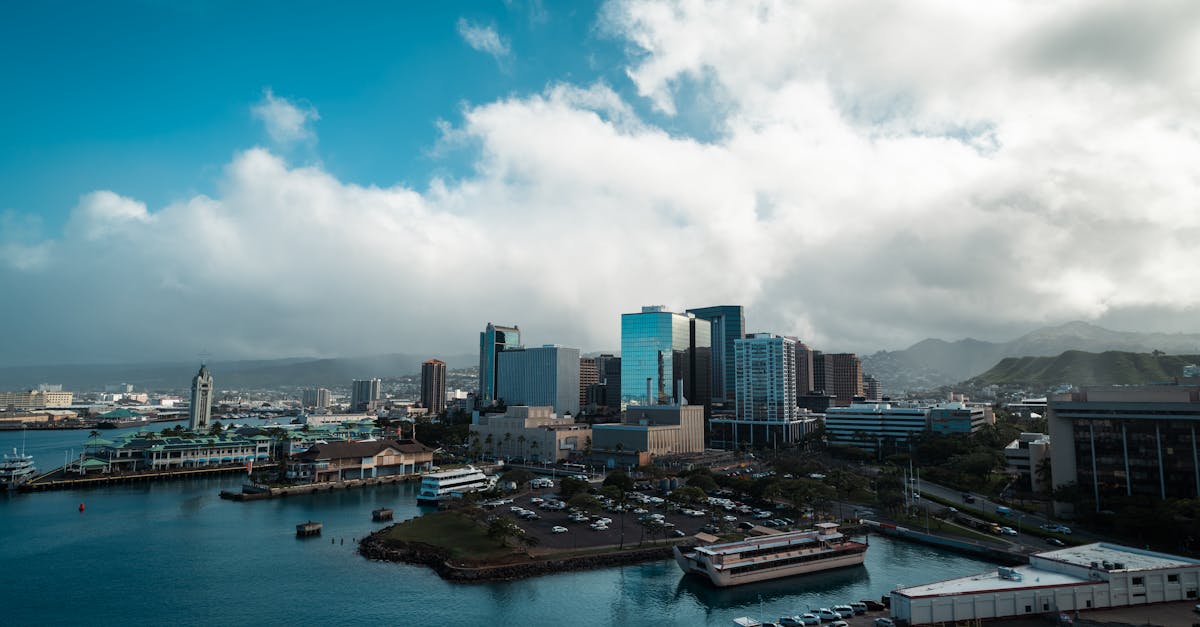
A New Culinary Hub Emerges in Honolulu
The vibrant culinary landscape of Honolulu has received a significant boost with the opening of Midtown Eats, a new food hall situated within the recently completed residential tower at The Park on Keeaumoku. This latest dining destination brings together twelve locally owned restaurants and one bar under a single roof, promising a diverse array of flavors and a fresh gathering spot for residents and visitors alike. The debut of Midtown Eats underscores a burgeoning trend in shared culinary spaces and provides a crucial platform for Hawaii's burgeoning food businesses.
Located along Keeaumoku Street, a bustling artery in Honolulu, The Park on Keeaumoku offers a prime location for this new food hall. The development is part of a broader trend of mixed-use properties integrating residential, retail, and dining components, aiming to create self-sustaining urban villages. Midtown Eats is poised to become a central hub, offering convenience and variety, catering to the evolving tastes and preferences of Hawaii's diverse population.
The Diverse Offerings of Midtown Eats
Midtown Eats is designed to be an incubator and showcase for Hawaii's rich culinary talent. The food hall features a carefully curated selection of twelve distinct local restaurants, each bringing its unique flavors and specialties to the table. Complementing the eateries is a dedicated bar, providing a central point for beverages and socializing.
A Launchpad for Local Entrepreneurs
The concept of a food hall serves as more than just a collection of dining options; it acts as a business incubator. For many of the participating local restaurants, Midtown Eats offers a lower-risk entry point into a high-traffic location, providing shared infrastructure and a built-in customer base. This model allows entrepreneurs to test concepts, refine operations, and scale their businesses with reduced overhead compared to establishing a standalone restaurant. As noted in a previous report on similar initiatives, food halls can significantly "grow Hawaii eateries" by providing a structured environment for culinary businesses to flourish [bizjournals.com].
Culinary Diversity Reflecting Hawaii's Culture
The selection of restaurants within Midtown Eats aims to reflect the multicultural tapestry of Hawaii. While specific menus were not detailed in the initial announcement, the general offering across food halls typically spans various cuisines, from Asian-inspired dishes and local Hawaiian favorites to international fare. This diversity is crucial in a place like Hawaii, where palates have been shaped by generations of cultural exchange. Eater.com highlights the depth of Honolulu's restaurant scene, featuring a wide range of cuisines, from traditional poke and shave ice to contemporary international dishes, underscoring the demand for varied culinary experiences [eater.com]. The inclusion of local favorites and innovative fusion concepts is expected to resonate strongly with both residents seeking familiar tastes and tourists eager to explore the local food scene.
Business Implications
The opening of Midtown Eats presents several key implications for Hawaii's business community, particularly within the food and beverage sector.
Opportunities for Food Entrepreneurs
For aspiring chefs and restaurateurs, food halls like Midtown Eats offer an accessible pathway to market entry. The shared operational costs, marketing support, and established foot traffic reduce the financial and operational burdens associated with traditional brick-and-mortar restaurants. This model empowers local businesses to experiment, innovate, and build brand recognition more efficiently. The success of initiatives like The Test Kitchen, described as a commercial kitchen, food court, and business incubator, demonstrates the viability of these models in nurturing local food businesses [bizjournals.com].
Impact on the Local Economy
The proliferation of food halls contributes to economic diversification and job creation within Hawaii. By supporting local entrepreneurs, these ventures help to retain capital within the state and foster a more resilient local economy. The dining sector is a crucial component of Hawaii's economy, often intertwined with its thriving tourism industry. Developments like Midtown Eats, offering a concentrated hub of diverse culinary options, can enhance the visitor experience and encourage longer stays, thereby boosting overall visitor spending.
Evolving Consumer Trends
Midtown Eats aligns with broader consumer trends that favor experiential dining, convenience, and a focus on local sourcing. Food halls cater to diverse preferences within a single group, allowing individuals to choose from different vendors while dining together. This dynamic and flexible dining experience is increasingly attractive to consumers. Furthermore, the emphasis on locally owned restaurants taps into a growing desire among consumers to support local businesses and experience authentic Hawaiian flavors. Reports indicate a continued interest in unique dining experiences, with new restaurants and eateries opening across Oahu, suggesting a robust and active market [hawaii.com]. The Park on Ke'eaumoku itself is part of a growing trend of mixed-use developments that aim to create vibrant, walkable communities with integrated amenities, reflecting a shift in urban planning and consumer lifestyle preferences.
Conclusion
The launch of Midtown Eats at The Park on Keeaumoku marks a significant development in Honolulu's dining scene. By providing a platform for twelve local restaurants and a bar, this new food hall not only diversifies culinary offerings but also cultivates local entrepreneurship and responds to evolving consumer demands for variety and community-focused experiences. As Hawaii continues to build its diverse economic base, such initiatives are vital for nurturing local talent and enhancing the unique appeal of the islands.