Summary
A potential Coconut Rhinoceros Beetle (CRB) detection on Molokaʻi could lead to new agricultural regulations or increased pest control costs affecting local agriculture and tourism. Businesses should monitor official advisories for confirmed findings and potential regulatory changes.
- Agriculture & Food Producers: Increased risk of crop damage and potential for new quarantine or treatment requirements impacting operations.
- Tourism Operators: Potential for landscape damage impacting aesthetics and increased costs for ornamental tree care.
- Small Business Operators: Indirect impact through potential supply chain disruptions or increased costs for goods sourced from affected agricultural areas.
- Action: Monitor official communications from the Hawaiʻi Department of Agriculture (HDOA) and the Maui/Molokaʻi Invasive Species Committee (MISC) for confirmation and guidance.
The Change
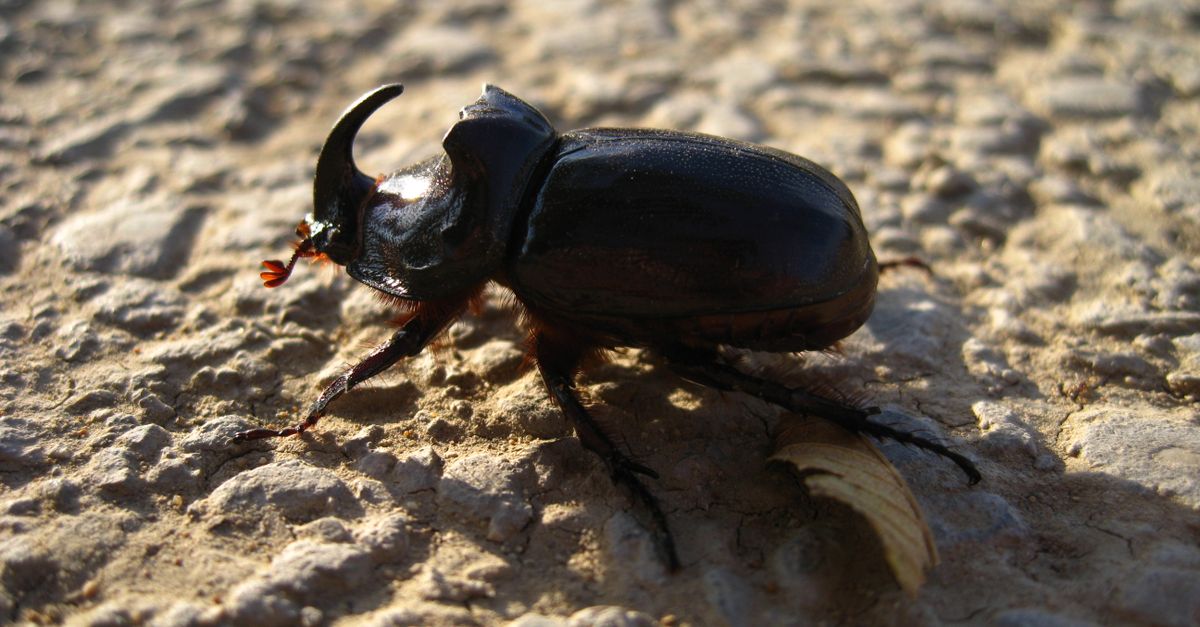
On April 7, 2026, staff from the Molokaʻi/Maui Invasive Species Committee (MoMISC) discovered a dead insect near Kaunakakai Harbor that is strongly suspected to be a Coconut Rhinoceros Beetle (CRB). This specimen is currently undergoing official species confirmation by the Hawaiʻi Department of Agriculture and Biosecurity (HDAB) Plant Pest Control Branch on Oʻahu. If confirmed, this would represent the first documented presence of CRB on the island of Molokaʻi.
CRB are highly destructive pests that feed on the growing points of coconut palms and other economically important plants, including 'ulu (breadfruit), banana, macadamia nut, and taro. Their damage can lead to tree death and significant losses for agricultural producers. Their presence can also impact the aesthetic appeal of tourist destinations by damaging ornamental trees and palms.
Who's Affected
Agriculture & Food Producers: Farmers and ranchers on Molokaʻi, particularly those cultivating or relying on palm trees (including coconut and oil palm), papayas, bananas, and other susceptible crops, face an increased risk. A confirmed CRB infestation could lead to direct crop losses through feeding damage. This situation also raises the possibility of new agricultural quarantines, movement restrictions for certain plant materials originating from Molokaʻi, or mandated pest control measures. Monitoring and potential treatment costs could add unexpected expenses to operations. Producers involved in export or inter-island trade should be particularly vigilant about potential new regulations.
Tourism Operators: Hotels, resorts, vacation rentals, and tour operators on Molokaʻi rely on the island's natural beauty, including its iconic palm trees, for visitor appeal. A CRB infestation, if left unchecked, could lead to the decline and death of these trees, diminishing the landscape's aesthetic value. This could necessitate increased investment in pest management, tree maintenance, and potentially the costly replacement of damaged trees. While direct impacts are less immediate than for agriculture, the long-term attractiveness of Molokaʻi as a tourist destination could be affected.
Small Business Operators: While not directly targeted by CRB, small businesses on Molokaʻi could experience indirect consequences. If agricultural operations are significantly impacted, local food supply chains might face disruptions, potentially leading to increased costs for raw materials for restaurants or retailers. Any measures implemented to control CRB, such as movement restrictions, could also affect the logistics and costs of goods and services on the island, indirectly impacting operational expenses and margins. Businesses that rely on locally sourced agricultural products or that cater to tourists who value the island's natural environment are particularly susceptible to these secondary effects.
Second-Order Effects
An established CRB population on Molokaʻi could initiate a cascade of economic and operational challenges. Expanded agricultural damage and the implementation of enhanced biosecurity measures (e.g., increased inspections, movement controls) could raise the cost and complexity of doing business on the island. This could, in turn, affect the price of local produce, potentially increasing operating costs for food service businesses and leading to higher consumer prices. For tourism, damaged landscapes could reduce desirability, potentially impacting visitor spending. Furthermore, the need for extensive pest management and potential eradication efforts could divert resources and attention from other business development initiatives.
What to Do
Given the potential confirmation, the primary action for all affected roles is to monitor official channels for updates and prepare for potential regulatory changes or increased pest management needs.
Agriculture & Food Producers:
- Monitor: Closely follow announcements from the Hawaiʻi Department of Agriculture (HDOA) and MoMISC regarding the CRB confirmation and any introduced measures. Review your current crop inventory and identify vulnerable species. Consider preemptively increasing monitoring efforts for signs of CRB damage on your property.
- Prepare: Familiarize yourself with potential CRB management strategies and costs. Identify any key export or inter-island market contacts to understand potential disruptions.
Tourism Operators:
- Monitor: Stay informed via HDOA and MoMISC advisories. Assess the health of ornamental palms and trees on your property and at key visitor locations. Document current aesthetic conditions.
- Prepare: Anticipate potential needs for increased landscaping maintenance or pest control services. Understand the critical role of healthy vegetation in maintaining visitor appeal and be ready to communicate any aesthetic changes to stakeholders if necessary.
Small Business Operators:
- Monitor: Keep abreast of official statements regarding CRB on Molokaʻi. Assess your reliance on locally sourced agricultural products and understand costs associated with your supply chain.
- Prepare: Identify alternative suppliers or products if local sources become constrained or more expensive due to CRB-related issues. Understand how potential new regulations or biosecurity measures might affect inbound and outbound logistics for your business.
Action Details Monitor official advisories from the Hawaiʻi Department of Agriculture (HDOA) and the Maui/Molokaʻi Invasive Species Committee (MISC) for confirmation of CRB presence on Molokaʻi and any associated new regulations or biosecurity protocols. If confirmed, prepare for potential increased costs related to pest management, supply chain adjustments, or landscape maintenance.