


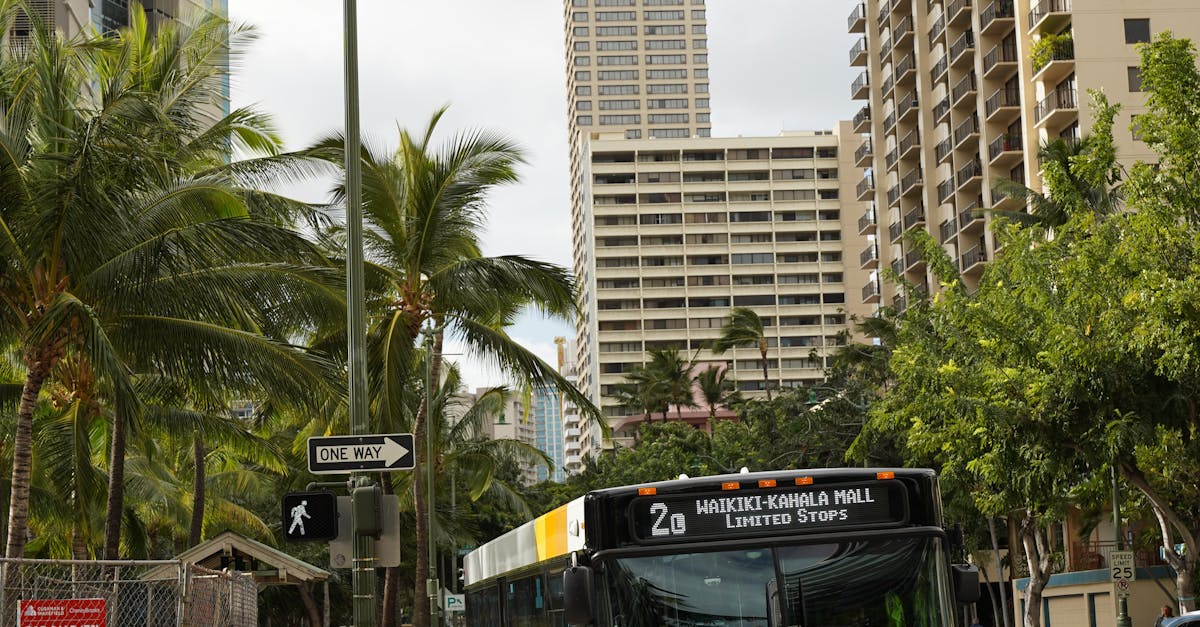
Molokaʻi Businesses: Monitor Potential Workforce Mobility Gains as MEO Restores Bus Routes
The recent restoration of five Maui Economic Opportunity (MEO) bus routes on Molokaʻi, previously suspended due to a driver shortage, presents a shifting landscape for local businesses. The key change is the increase in public transportation availability, which may positively impact workforce mobility and employee access to jobs across the island.
The Change
Maui Economic Opportunity (MEO) has successfully resumed five previously suspended bus routes on Molokaʻi. This service restoration was directly enabled by the training and licensing of new Commercial Drivers, such as Dawn Joao-Harris, who recently earned her CDL through an MEO program. The expansion of public transit options aims to address a critical need for reliable transportation on the island, facilitating movement for residents and potentially easing bottlenecks for businesses reliant on a consistent local workforce.
Who's Affected?
Small Business Operators
For small businesses on Molokaʻi – including restaurants, retail shops, and service providers – the restoration of bus routes could indirectly alleviate staffing challenges. Improved public transportation means employees may have a more reliable commute, potentially widening the pool of available labor and reducing absenteeism. This could also translate to increased customer accessibility, as residents with limited personal vehicle options can more easily reach businesses. However, the direct impact on operating costs is minimal, as MEO services are generally affordable.
Tourism Operators
While Molokaʻi's tourism sector is often characterized by independent exploration and rental vehicles, the MEO bus route expansion could offer modest benefits. Visitors seeking to access specific areas or less commercially developed points of interest might utilize the bus service, particularly if they are budget-conscious or prefer not to drive. For tour operators or hospitality businesses, this could mean a slight increase in accessibility for potential clients, although the primary modes of transport for tourists are unlikely to shift significantly.
Agriculture & Food Producers
Producers on Molokaʻi, from farms to food processing operations, could see a marginal benefit from enhanced workforce mobility. If staff have greater ease in commuting to agricultural sites, it might contribute to more consistent labor availability, especially for seasonal needs. While the Jones Act and export logistics remain primary concerns for producers, localized labor access is a foundational element that could be subtly improved by this development.
Second-Order Effects
The restoration of bus routes represents a step towards improved essential infrastructure on Molokaʻi. A more robust public transportation network can lead to increased workforce participation by reducing commute barriers, potentially stabilizing or slightly increasing local labor supply. This, in turn, could ease pressure on wages for certain entry-level positions as more individuals gain access to employment centers. Furthermore, improved connectivity could subtly boost local commerce by enabling more residents to access shops and services, creating a mild multiplier effect within the island's economy.
What to Do
This development warrants a WATCH approach for small businesses and tourism operators on Molokaʻi. No immediate action is required, but monitoring key indicators over the next 60 days will be crucial to identify any tangible benefits or shifts in operational conditions.
For Small Business Operators: Monitor employee commute flexibility and consider if any staffing adjustments can be made based on improved transit access. Observe foot traffic and customer accessibility patterns.
For Tourism Operators: Assess if visitor inquiries or bookings show any inclination towards utilizing public transport for site access. Keep abreast of any feedback from guests regarding transportation convenience.
For Agriculture & Food Producers: Observe any changes in the availability or reliability of local seasonal labor.
Action Details: Businesses should monitor employee feedback on commute reliability and observe foot traffic trends over the next two months. If a consistent increase in workforce availability or customer accessibility is noted, consider reassessing staffing levels or outreach strategies. No specific deadlines are present, but a review in early September 2026 would be prudent.


