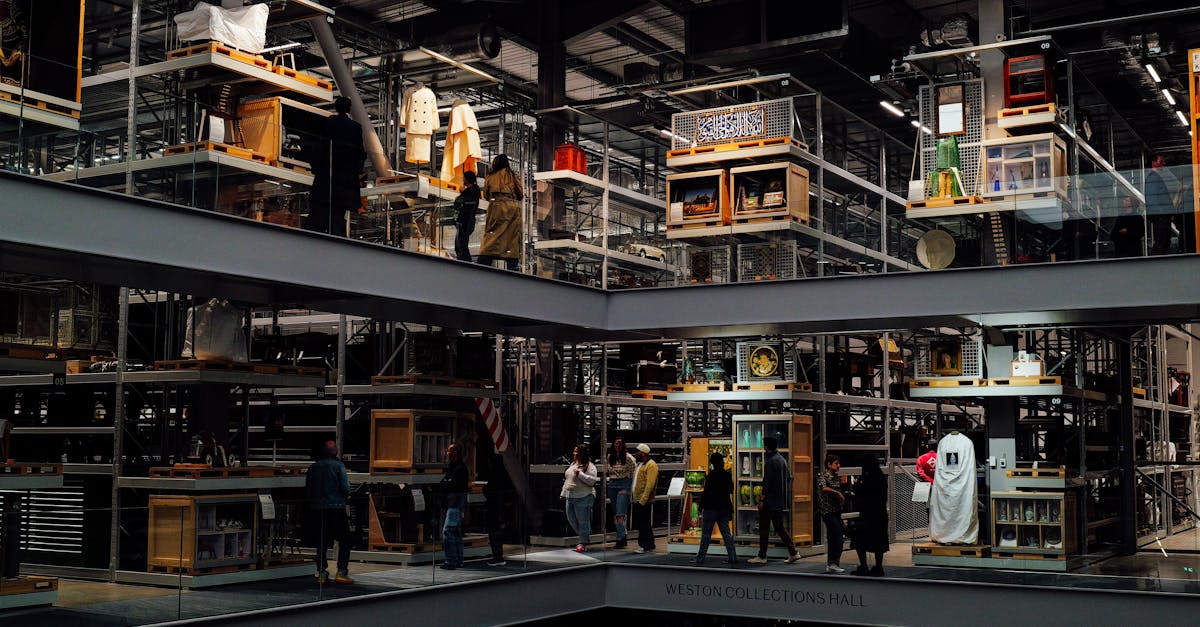
Multilevel Warehouses Emerging: Watch for Industrial Space Shifts
A significant development in Hawaii's industrial real estate landscape is underway, with a California-based firm actively pursuing the construction of multilevel warehouses across the islands. While most projects are new builds rather than retrofits of existing stock, this expansion signals a potential increase in the supply and a modernization of the state's aging industrial infrastructure. Businesses that rely on warehousing, logistics, or have operations dependent on efficient storage and distribution should closely monitor these developments.
The Change
A California firm, identified as a key player in developing multilevel warehouses, is undertaking multiple projects throughout Hawaii. This strategy addresses the acute shortage and often outdated nature of industrial facilities in the state. These new builds are designed to maximize vertical space, a novel approach for many Hawaiian locations, and are part of an aggressive expansion plan by developers aiming to modernize the islands' logistics capabilities. The specifics of the firm's engagement with local zoning and permitting processes are still evolving, but the commitment to new construction indicates a forward-looking approach to industrial development.
Who's Affected
-
Real Estate Owners & Developers: This trend may lead to increased competition for tenants in existing single-level industrial spaces. Conversely, it presents new development opportunities for those involved in acquiring land or partnering in such ambitious projects. Owners of older industrial properties might face pressure to renovate or redevelop to remain competitive.
-
Investors: Investors in Hawaii's real estate market should evaluate the long-term implications of increased industrial capacity. The success of these multilevel warehouses could spur further investment in logistics infrastructure, potentially driving up land values in strategic locations and altering the risk profile of industrial real estate investments.
-
Small Business Operators: For businesses such as retailers, distributors, or manufacturers, increased warehousing capacity could eventually lead to more stable or potentially lower storage and distribution costs. However, the immediate impact might be felt in the competitive landscape for leasing commercial space if demand shifts significantly toward these new types of facilities.
-
Entrepreneurs & Startups: Companies that rely on efficient supply chains and scalable operations may find multilevel warehouses a crucial enabler for growth. Access to modern, potentially more cost-effective warehousing could reduce barriers to entry and expansion, particularly for e-commerce and direct-to-consumer businesses.
Second-Order Effects
- Increased demand for specialized construction labor → potential wage inflation in the construction sector → cascading effects on other industries bidding for skilled trades.
- Modernized logistics infrastructure → improved efficiency for importing goods → potential for reduced consumer prices on certain imported items → slight reduction in cost of living pressures.
- Development of multilevel warehouses in limited industrial zones → increased pressure on zoning boards for additional industrial land → potential conflicts with other land use proposals (e.g., residential, tourism).
What to Do
Given the evolving nature of these developments, vigilance is recommended rather than immediate action. Businesses are advised to stay informed about project timelines and locations.
-
Real Estate Owners: Monitor announcements from developers regarding new project approvals and construction starts. Assess the competitive positioning of your existing industrial properties against potential new, efficient storage solutions.
-
Investors: Track the financing and leasing success of these new multilevel warehouse projects. Compare their development cost and projected ROI against traditional industrial real estate.
-
Small Business Operators: Observe any public announcements or news regarding lease availability or pricing shifts in industrial zones where these new facilities are planned. Consider how future logistics advantages might influence your supply chain strategy.
-
Entrepreneurs & Startups: Research the specific locations and capacities of announced multilevel warehouse projects. Understand if these developments align with your anticipated scaling needs for inventory management and distribution.
Action: Watch for public disclosures and local news updates regarding the permitting stages for these multilevel warehouse projects. If several projects in key commercial hubs (e.g., Oahu's industrial corridors) move quickly from planning to construction phases, it signals a more immediate shift in industrial real estate supply that warrants a re-evaluation of leasing and logistics strategies.