


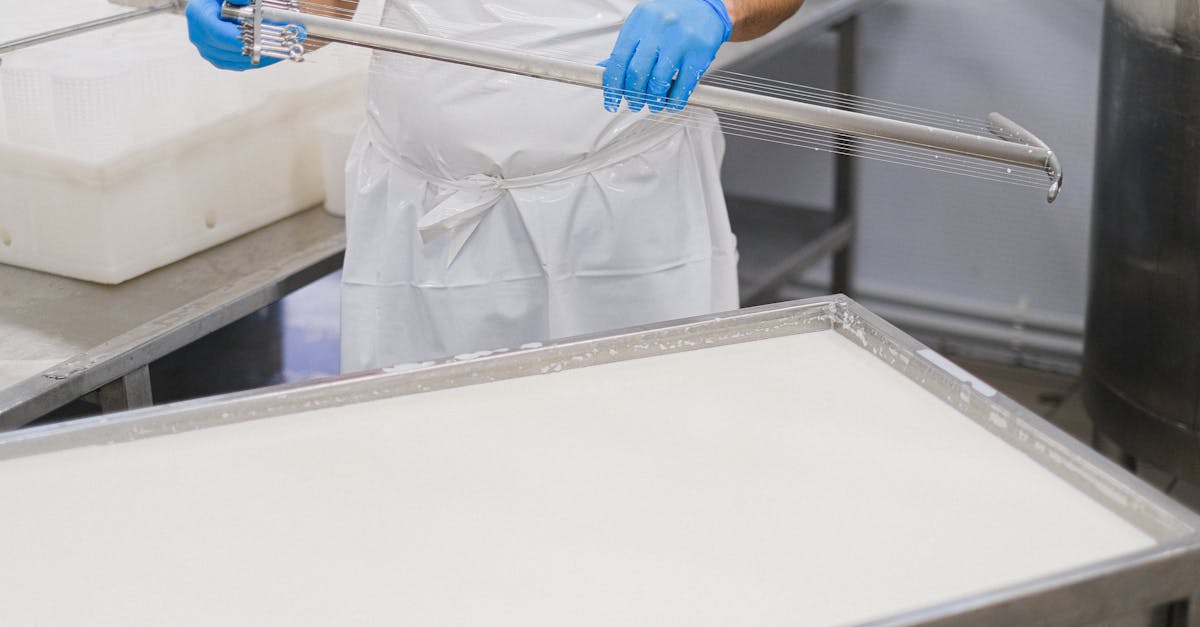
Nationwide Raw Milk Cheese Recall Necessitates Immediate Product Removal for Hawaii Businesses
A nationwide recall has been issued for raw milk cheddar cheese, identified as a potential source of E. coli contamination. The Hawaii Department of Health (DOH) is alerting residents and businesses to this urgent public health concern. Businesses handling this product must act immediately to remove it from sale and consumption.
The Change
The recall pertains to raw milk cheddar cheese produced by [Specific Producer Name, if available in source—otherwise, state it's a broad recall to be identified by lot number] and potentially impacting various distribution channels across the United States, including Hawaii. The contamination poses a significant risk of E. coli infection, which can lead to severe gastrointestinal illness, including hemolytic uremic syndrome (HUS), a potentially life-threatening kidney complication.
Businesses that have stocked or served this recalled product are alerted to cease all sales and distribution immediately. Consumers who may have purchased this product are advised to discard it or return it to the point of purchase.
Who's Affected
-
Small Business Operators (Restaurant Owners, Retail Shops, Service Businesses): To prevent public health risks and avoid potential fines or reputational damage, all operators must immediately identify and remove any recalled raw milk cheddar cheese from their inventory. This includes restaurants, delis, specialty food stores, and any establishment using this cheese as an ingredient. The cost of product loss and the labor involved in inventory management and disposal are immediate concerns.
- Impact: Potential financial loss due to discarded product. Labor costs for product identification, removal, and disposal. Risk of regulatory penalties and negative publicity if recalled product is served or sold.
- Timeline: Immediate action required. The longer the product remains in inventory, the higher the risk of accidental sale or consumption.
-
Agriculture & Food Producers: While this recall directly impacts downstream sellers, producers of related food items that may have used the recalled cheese as an ingredient need to audit their supply chains. This is a critical step to ensure their own products are not compromised and to maintain consumer trust.
- Impact: Need to review supplier records and potentially recall their own products if the affected cheese was an ingredient. Cost of product recall and consumer notification.
- Timeline: Immediate supplier audit is recommended to preempt potential larger-scale issues.
-
Healthcare Providers: While not directly handling the product, healthcare providers are on the front lines of diagnosing and treating E. coli infections. Awareness of this recall is crucial for identifying potential outbreak sources should patients present with compatible symptoms. Rapid diagnosis and reporting are key to containing any public health spread.
- Impact: Increased patient load presenting with gastrointestinal distress. Need for rapid diagnostic capabilities and reporting protocols for foodborne illnesses.
- Timeline: Ongoing vigilance is required as symptoms may not manifest immediately after consumption.
Second-Order Effects
This recall, while specific to a food product, highlights the interconnectedness of Hawaii's food supply chain. A contamination event at one point can necessitate cascading actions. The immediate removal of recalled cheese from retail and restaurant shelves, while essential for public health, can lead to stock shortages affecting menu planning or product availability.
Furthermore, the cost of dealing with such recalls—including product loss, disposal, and potential regulatory scrutiny—adds to the operational overhead for small businesses already navigating thin margins in an island economy. This can, in turn, affect pricing for consumers or necessitate reallocation of resources away from other critical business functions. For healthcare providers, a localized E. coli outbreak due to a contaminated product could strain diagnostic capacities and public health resources, potentially impacting the availability of services for other medical needs.
What to Do
For Small Business Operators (Restaurants, Retailers, Food Service):
- Identify and Segregate: Immediately review all inventory of raw milk cheddar cheese. Identify products matching the recalled lot numbers or descriptions provided by the [Specific Producer Name or Recalling Agency, e.g., FDA announcement]. Segregate these products from all other food items to prevent accidental use or sale.
- Cease Sales: Halt all sales and service of the identified recalled cheese immediately.
- Dispose or Return: Follow instructions from the recalling agency or manufacturer for product disposal or return. If no specific instructions are provided, dispose of the product in a manner that prevents it from being consumed (e.g., securely bagged and discarded in municipal waste). Document the disposal process.
- Notify Staff: Inform all relevant staff members about the recall and the procedures for handling the affected product.
- Review Suppliers: Check with your distributors or direct suppliers to ensure they have not distributed the recalled product and to confirm your current cheese inventory is safe.
For Agriculture & Food Producers:
- Audit Supply Chain: Immediately review your ingredient procurement records to determine if any raw milk cheddar cheese subject to this recall was used in your products.
- Inspect Finished Goods: If the recalled cheese was an ingredient, inspect your finished product inventory for any batches that may be affected.
- Consult Regulators: If your products are potentially compromised, contact the Hawaii Department of Health and the U.S. Food and Drug Administration (FDA) for guidance on product containment, consumer notification, and recall procedures.
For Healthcare Providers:
- Patient Screening: Be vigilant in screening patients presenting with symptoms of E. coli infection (severe stomach cramps, diarrhea often bloody, vomiting). Inquire about recent consumption of raw milk cheese.
- Reporting: Adhere to established protocols for reporting suspected foodborne illnesses to the Hawaii DOH to aid in outbreak investigation and control.
Action Details:
If your business currently stocks or serves raw milk cheddar cheese, you must conduct an immediate inventory audit and remove any affected products before the end of the business day on April 4, 2026. Failure to do so could result in regulatory action, public health endangerment, and significant reputational damage. If you are a food producer and used the recalled cheese, you must immediately review your ingredient supply chain and product inventory and consult with the FDA and Hawaii DOH on potential recall procedures by April 5, 2026.
