


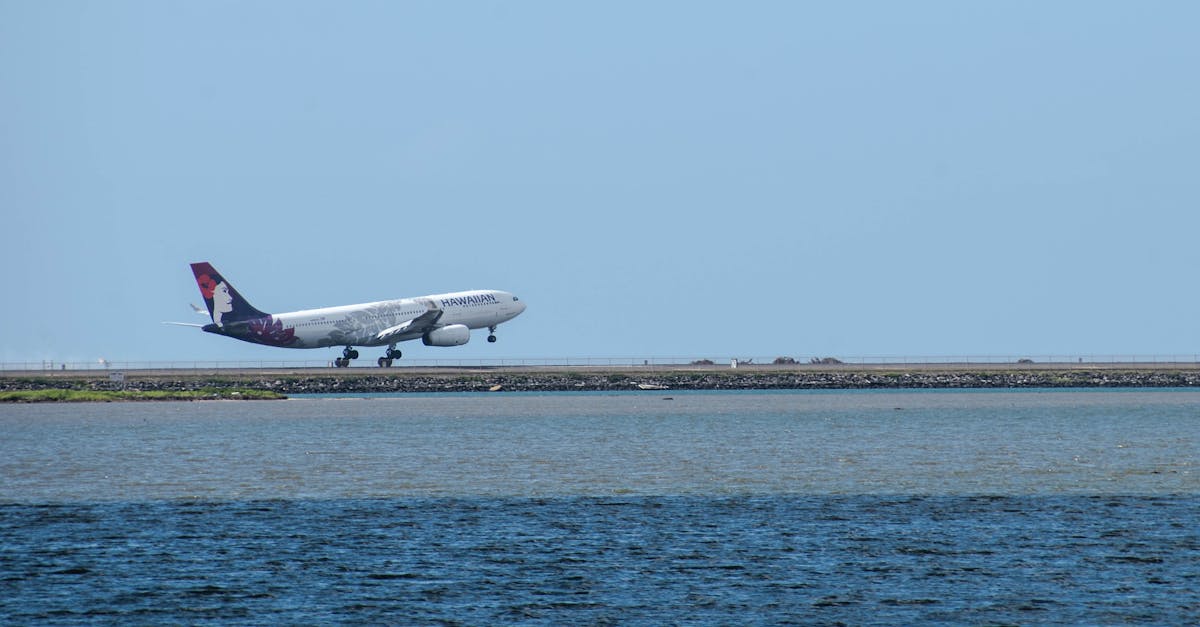
New Hawaiian Airlines In-Flight Menu May Shift Passenger Dining Expectations
Hawaiian Airlines is set to launch a new main cabin meal program on July 1, designed by Maui chef Sheldon Simeon. This initiative introduces localized cuisine to a broad passenger base on most transpacific flights, aiming to enhance the onboard dining experience. The menu's focus on authentic Hawaiian flavors from a recognized culinary figure could elevate passenger expectations regarding food quality and local representation during air travel.
Who's Affected
Tourism Operators (Hotels, tour companies, vacation rentals, hospitality businesses):
- Elevated Expectations: Passengers may arrive with heightened expectations for local culinary experiences, potentially influencing their perception of your own food and beverage offerings. A superior in-flight meal could set a new benchmark for the "Hawaii experience."
- Ancillary Revenue Impact: The perceived value of the in-flight meal could indirectly affect how passengers view other paid dining options, both onboard and at their destination. Operators that offer integrated dining experiences or recommendations should be aware of this new touchpoint.
- Brand Alignment: Businesses that emphasize local culture and cuisine may find this an opportunity for synergy, while those perceived as less authentic could face more scrutiny.
Investors:
- Hawaiian Holdings (HA): This menu change is a tactical move to enhance the passenger experience and potentially boost ancillary revenue. Investors should monitor its reception, its impact on customer satisfaction scores, and any resulting changes in Hawaiian Airlines' market share or revenue per passenger.
- Competitive Landscape: A successful overhaul of the onboard dining experience by Hawaiian Airlines could pressure other carriers serving Hawaii to improve their own offerings, potentially altering cost structures or competitive advantages.
- Market Perception: The use of a high-profile local chef could enhance Hawaiian Airlines' brand image as authentically "Aloha," which may translate into increased passenger loyalty and investor confidence.
Second-Order Effects
The introduction of a premium, locally inspired in-flight menu can create a ripple effect. As passengers experience higher quality food during their flight, their expectations for dining throughout their trip may rise. This could lead to increased demand for authentic and well-prepared local cuisine at hotels and restaurants across the islands. Consequently, this heightened demand, coupled with potentially higher ingredient costs and labor needs for quality preparation, could drive up prices for dining services. For businesses that rely on lower-cost dining options to attract budget-conscious tourists, this shift may require a reevaluation of their pricing strategies and offerings to remain competitive, especially if the airline's successful implementation leads to a general uplift in dining standards across the tourism sector.
What to Do
Action Level: WATCH
-
Tourism Operators: Monitor passenger feedback related to onboard dining and overall travel experience through social media, review sites, and direct customer surveys. Assess if there's a noticeable shift in expectations for local culinary authenticity. Consider highlighting your own unique local food offerings in marketing and during guest interactions to complement or contrast with the airline experience. Pay attention to how competitors are marketing their own food partnerships or local integrations.
-
Investors: Track Hawaiian Holdings' passenger satisfaction surveys, load factors, and ancillary revenue reports for any discernible impact following the July 1 launch. Compare this against competitor performance and industry trends in airline dining innovations. Watch for any analyst reports or news coverage that assesses the financial or brand impact of this menu change.
The primary focus is on observing the reception and impact of this new menu over the first 60-90 days. Significant positive passenger feedback or a measurable uptick in Hawaiian Holdings' key performance indicators (like Net Promoter Score or ancillary revenue) could signal a broader trend towards prioritizing the in-flight dining experience in the competitive Hawaii tourism market.


