


The Change
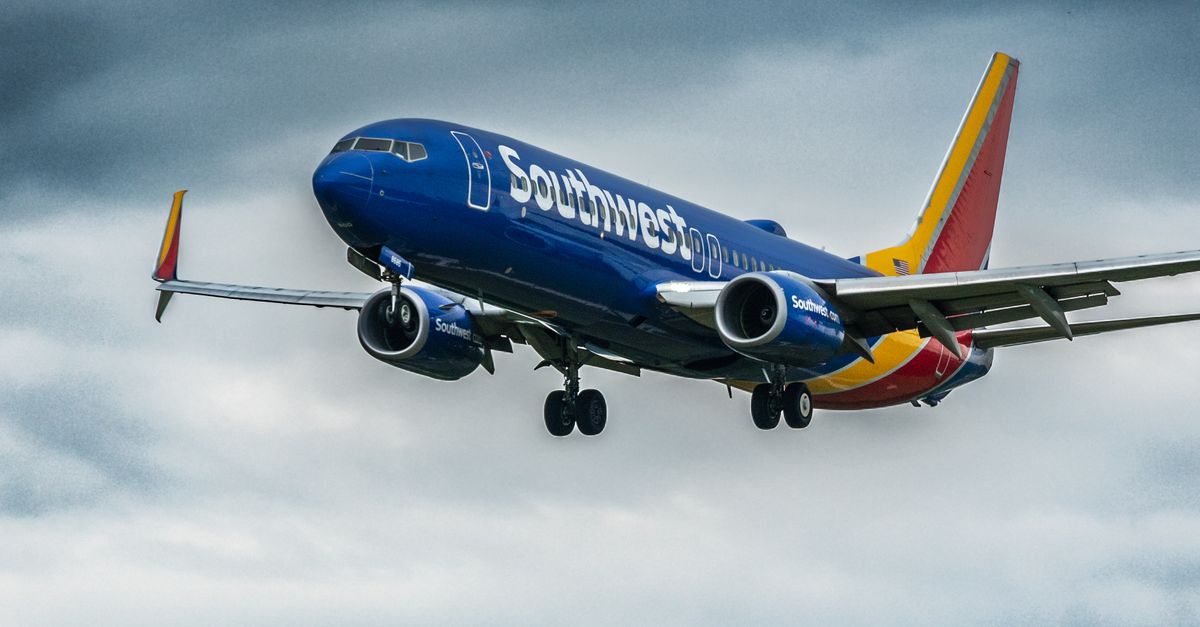
Southwest Airlines initiated its first regularly scheduled nonstop service between Las Vegas (LAS) and Hilo International Airport (ITO) on Thursday, August 7, 2026. This new route establishes a direct air bridge between East Hawaiʻi and the primary gateway to the "Ninth Island," providing convenient connections to nearly 80 destinations across Southwest's network from Las Vegas. This service offers significant potential for increased visitor flow into East Hawaiʻi, particularly from the Western United States.
Who's Affected
Tourism Operators (Hotels, Tour Companies, Vacation Rentals, Hospitality Businesses):
This new route is a direct avenue for increasing visitor numbers to East Hawaiʻi. Operators should anticipate a potential increase in arrivals, particularly from the large Las Vegas market and connected regions. Projections suggest a potential 5-10% uplift in visitor numbers specifically originating from this new gateway over the next 12-18 months, assuming consistent service and competitive pricing.
- Impact: Increased demand for accommodation, tours, and hospitality services.
- Timeline: The effects will likely materialize over the next two quarters as awareness and booking patterns shift.
Small Business Operators (Restaurants, Retail, Services):
With increased visitor traffic comes increased consumer spending. Businesses in Hilo and surrounding areas, especially those catering to tourists, should prepare for higher demand. This could translate to increased revenue but also necessitates careful management of inventory, staffing, and operational hours.
- Impact: Potential for higher sales volumes, but also increased operating costs and staffing needs.
- Timeline: Businesses should begin assessing capacity and supply chains now to be ready for potential demand surges within the next 3-6 months.
Real Estate Owners (Property Owners, Developers, Landlords):
While not an immediate impact, a sustained increase in tourism to East Hawaiʻi can influence the local real estate market. This could manifest as increased demand for short-term rentals, potentially impacting long-term housing availability and prices. Property owners in prime tourist areas may see opportunities for increased rental income.
- Impact: Potential for increased demand in short-term rentals and localized property value shifts.
- Timeline: Longer-term effects on real estate markets typically emerge over 1-3 years.
Second-Order Effects
This new air service can initiate a chain reaction in Hawaii's constrained economy. Increased visitor arrivals directly to Hilo, bypassing Honolulu as a mandatory transit point, could lead to greater demand for local goods and services. This heightened demand, in turn, puts pressure on local supply chains and labor markets. As businesses experience higher sales volumes, they may need to increase staffing, potentially driving up wages in the service sector. Furthermore, increased demand for goods could lead to higher import costs if freight capacity doesn't keep pace, impacting business margins and consumer prices.
- Increased direct visitor flights to Hilo → Higher demand for local accommodations and tours → Pressure on hospitality staffing and wages → Potential increase in consumer prices for goods and services.
What to Do
Tourism Operators:
- Action: Monitor Southwest's booking data and Hilo International Airport (ITO) arrival statistics. Evaluate current staffing levels and inventory against projected visitor increases. Consider targeted marketing campaigns to capture new visitors arriving via this route.
Small Business Operators:
- Action: Assess current inventory and supply chain reliability. Begin conversations with suppliers about potential demand increases. Review staffing to ensure adequate coverage during anticipated peak times.
Real Estate Owners:
- Action: Research current short-term rental demand in Hilo and East Hawaiʻi. Evaluate property suitability for potential rental income increases, considering county regulations.
Monitoring Required
Monitor Southwest Airlines' reported passenger numbers for the LAS-ITO route and Hilo International Airport (ITO) monthly arrival statistics. If passenger counts consistently exceed 75% of capacity over three consecutive months, consider increasing staffing and inventory by 10-15%. If airline capacity is reduced or the route is altered, revert to current operational levels.
