


North Shore Flooding Exposes Vulnerabilities: Business Continuity & Insurance Review Critical
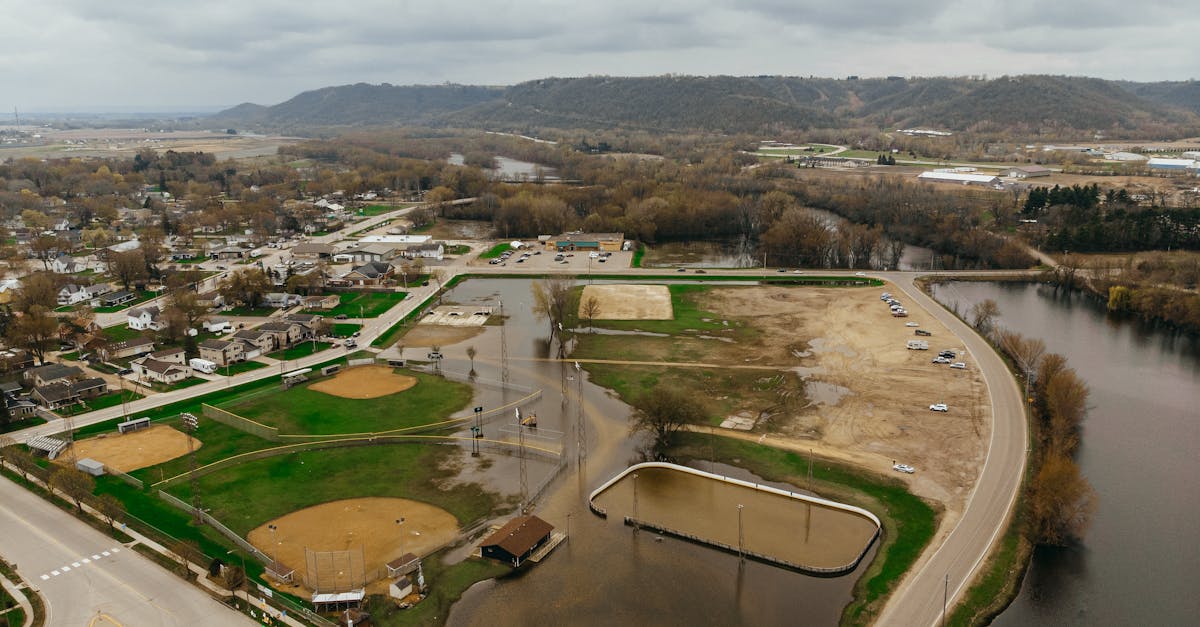
Recent extreme weather events on Oahu's North Shore, including significant flooding in Waialua and Haleʻiwa, have underscored the vulnerability of local businesses and infrastructure to climate-related disruptions. The immediate aftermath saw significant rescue operations, highlighting the potential for severe impacts on daily operations, supply chains, and property for businesses in and around these affected regions.
The Change
A substantial weather system on March 21, 2026, generated intense rainfall leading to widespread flooding across the North Shore, particularly impacting communities like Waialua and Haleʻiwa. Rescuers deployed various methods, including paddleboards, kayaks, Jet Skis, and heavy machinery, to evacuate residents. This event serves as a stark reminder of the increasing frequency and intensity of extreme weather events impacting Hawaii, driven by climate change.
Who's Affected
Several key sectors within Hawaii's business community face direct and indirect consequences from such events:
- Small Business Operators: Businesses operating in flood-prone areas, such as retail stores, restaurants, and service providers in Haleʻiwa and Waialua, are at immediate risk of physical damage, prolonged operational downtime, and supply chain disruptions. Access to essential goods and services can be severely hampered, leading to lost revenue and increased recovery costs. For example, a restaurant not adequately insured against flood damage could face tens of thousands of dollars in repair and lost income.
- Real Estate Owners: Property owners, landlords, and property managers with holdings in affected areas face potential damage to structures, increased insurance premiums, and reduced rental income due to uninhabitable units or tenant displacement. Developers may encounter delays and increased costs if new projects are located in or near vulnerable zones.
- Agriculture & Food Producers: Farmers and food producers on the North Shore are susceptible to crop damage, livestock loss, and disruption to harvesting and distribution channels. Flooded fields can render land unusable for extended periods, impacting yields and potentially leading to shortages of locally sourced produce, increasing costs for other businesses reliant on these supplies.
- Tourism Operators: Hotels, tour companies, and vacation rental businesses in the affected regions can experience significant booking cancellations due to access issues and damaged facilities. The overall appeal of the North Shore as a tourist destination can be diminished, impacting revenue streams for the entire local tourism ecosystem.
Second-Order Effects
Isolated disruptions like the North Shore flooding can trigger a cascade of economic impacts across the islands due to Hawaii's unique logistical and resource constraints:
- Disrupted Logistics: Critical access routes to and from the North Shore can be compromised, delaying the delivery of goods and supplies essential for businesses statewide, not just in the immediate impact zone.
- Increased Insurance Costs: A rise in significant weather events will likely lead to higher insurance premiums for businesses and property owners across the state, particularly those in coastal or flood-prone areas, directly impacting operating costs and real estate affordability.
- Strain on Recovery Resources: Widespread or repeated extreme weather events can strain local emergency response and recovery resources, potentially delaying aid and support for affected businesses.
- Supply Chain Bottlenecks: Even localized disruptions can create broader supply chain issues, as businesses everywhere rely on consistent delivery of goods and materials. For instance, a shortage of local produce due to flooding could drive up prices for restaurants and grocery stores across Oahu.
What to Do
Given the heightened risk profile demonstrated by recent events, businesses must shift from a reactive to a proactive stance regarding extreme weather preparedness.
- Small Business Operators: Critically review your business interruption insurance coverage. Understand what specific perils are covered, the limits of your policy, and the claims process. Develop or update your business continuity plan to include protocols for communication, alternative operating locations (if feasible), and supply chain diversification. Assess critical infrastructure vulnerabilities at your primary location.
- Real Estate Owners: Conduct a property-level risk assessment for flood and storm damage, particularly if properties are in designated flood zones. Ensure adequate property damage insurance is in place. For landlords, communicate with tenants about emergency procedures and ensure lease agreements address responsibilities during severe weather events.
- Agriculture & Food Producers: Evaluate drainage and irrigation systems to mitigate flood damage. Explore crop insurance options and consider diversifying crops to spread risk. Strengthen relationships with alternative suppliers for inputs and distribution channels to build resilience against logistical disruptions.
- Tourism Operators: Review booking and cancellation policies to account for weather-related disruptions. Develop contingency plans for guest accommodation and transportation if access to your location becomes impossible. Maintain open communication with guests about potential impacts on their travel plans.


