Northern Pacific Tourism Operators Face Revenue Uncertainty as Sony Open's Future Becomes Questionable
The conclusion of the 2026 Sony Open in Hawaii, marked by Chris Gotterup's victory, also signals a potential end to this long-standing PGA Tour event in its current iteration. While the official announcement regarding the tournament's future remains pending, the speculation and industry chatter point towards significant changes, likely impacting the economic landscape of Hawaii's tourism sector and related businesses. This development necessitates immediate strategic review for entities that have historically benefited from the event's economic footprint.
The Change
The 2026 Sony Open, held at Waialae Country Club, may have been the final installment of the PGA Tour event in Hawaii as it has been known. Reports and industry discussions suggest that tournament organizers and sponsors are reassessing the event's viability and structure, leading to uncertainty about its continuation in its current form or location. This potential shift, while not yet officially confirmed, carries substantial implications for businesses that rely on the influx of visitors, media, and economic activity generated by the tournament annually.
Who's Affected
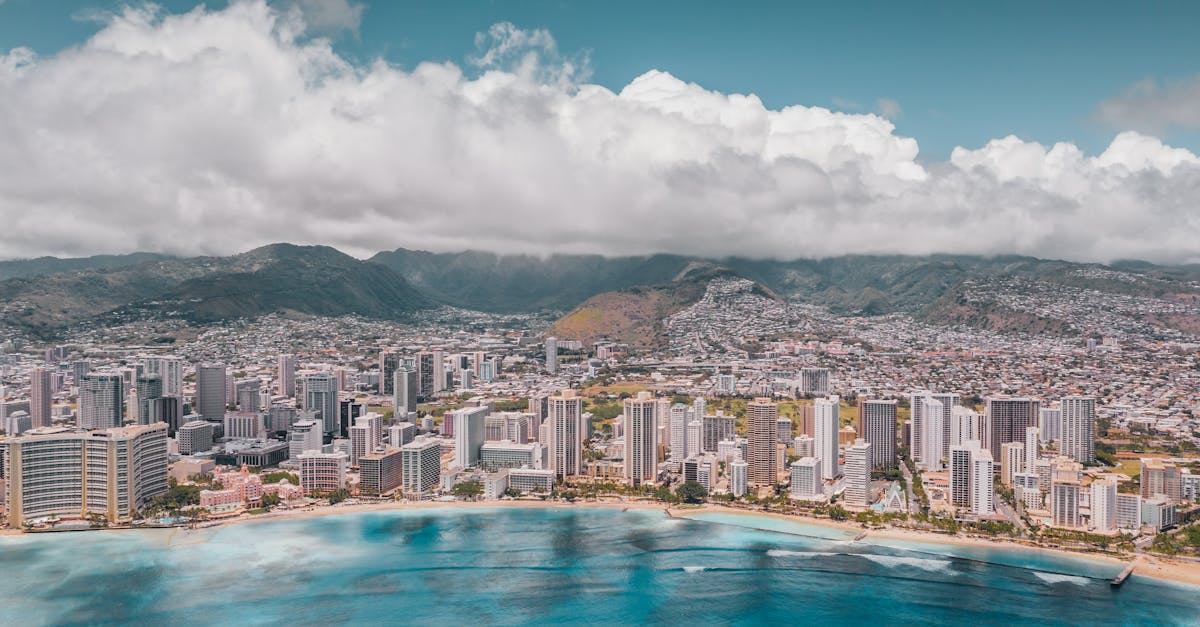
Tourism Operators (Hotels, Tour Companies, Vacation Rentals, Hospitality Businesses): This segment faces the most direct impact. Hotels and vacation rental hosts in Honolulu and surrounding areas have historically seen high occupancy rates and premium pricing during the Sony Open week. Tour operators and hospitality businesses experience a surge in demand from spectators, players, sponsors, and media personnel. The potential absence of the event could lead to a significant drop in bookings during what is typically a strong period, potentially affecting annual revenue targets by an estimated 10-20% for businesses heavily reliant on this influx. Furthermore, the event's visibility has often translated into broader interest in Hawaii as a destination; its removal from the PGA Tour calendar could subtly diminish this promotional effect.
Small Business Operators (Restaurants, Retail Shops, Service Businesses): While not as directly tied as accommodation providers, restaurants and retail establishments near Waialae Country Club and throughout Honolulu typically benefit from increased foot traffic and consumer spending during the Sony Open. This includes increased demand for dining, shopping, and local services. The loss of the event could mean a reduction in spontaneous customer spending and a flattening of demand during a period that usually provides a welcome economic boost. For smaller, independent businesses, this could mean a noticeable decrease in sales, potentially by 5-15% during that specific week, requiring adjustments in staffing and inventory.
Investors (VCs, Angel Investors, Portfolio Managers, Real Estate Investors): Investors with portfolios concentrated in Hawaii's hospitality and tourism sectors need to assess the risk associated with the potential loss of the Sony Open. Businesses that have a significant portion of their annual revenue tied to this event might see a decrease in profitability, affecting their valuation and stock performance. Real estate investors, particularly those with commercial properties in areas that benefit from event-driven tourism, should also consider this evolving landscape. The long-term implications for Hawaii's tourism-dependent economy may influence investment strategies, potentially favoring more diversified or resilient business models. The signal this sends about Hawaii's ability to host and sustain large-scale events also warrants attention for future investment opportunities.
Second-Order Effects
The potential cessation of the Sony Open could trigger a cascading effect within Hawaii's constrained economy. A reduction in event-related tourism might lead to lower demand for hotels and rental properties, potentially causing a decrease in short-term occupancy rates during January. This, in turn, could lessen pressure on the local service sector labor market, potentially slowing wage growth for hospitality staff. Furthermore, a diminished international profile for Hawaii as a premier event destination could impact long-term tourism strategy, potentially shifting focus and investment towards other visitor-drawing activities, which may have their own implications for infrastructure and resource management.
What to Do
Tourism Operators: Begin developing contingency plans to mitigate the potential loss of direct Sony Open bookings. This includes diversifying marketing efforts to attract alternative visitor segments during January and exploring partnerships with other local event organizers or cultural institutions to fill potential demand gaps. Communicate proactively with existing clients about potential market shifts. Consider offering special packages or promotions aimed at longer-stay visitors who are less event-dependent.
Small Business Operators: Assess your historical reliance on the Sony Open period for revenue. If significant, begin planning to enhance your marketing to local residents or to attract visitors through channels not dependent on the PGA Tour. Explore opportunities for local-focused promotions during January to bolster sales. Consider strengthening relationships with suppliers to manage inventory efficiently, should demand fluctuate more unpredictably.
Investors: Review your investment portfolios for overexposure to Hawaii-based tourism businesses that are highly dependent on large events like the Sony Open. Conduct due diligence on the resilience and diversification strategies of these companies. Monitor news from event organizers and tourism authorities for firm announcements regarding the tournament's future. Reallocate capital towards businesses with more robust, diversified revenue streams or those positioned to benefit from other emerging economic trends in Hawaii.
Action Details: Tourism operators should initiate a review of their Q1 2025 marketing strategy by February 28, 2024, to explore alternative visitor acquisition channels and partnerships. Small business operators should conduct a profit-and-loss analysis of the Sony Open period's contribution to their annual revenue within the next 60 days to inform adjustments to local marketing and inventory management for the upcoming year. Investors should complete a portfolio risk assessment related to event-dependent tourism by March 31, 2024.