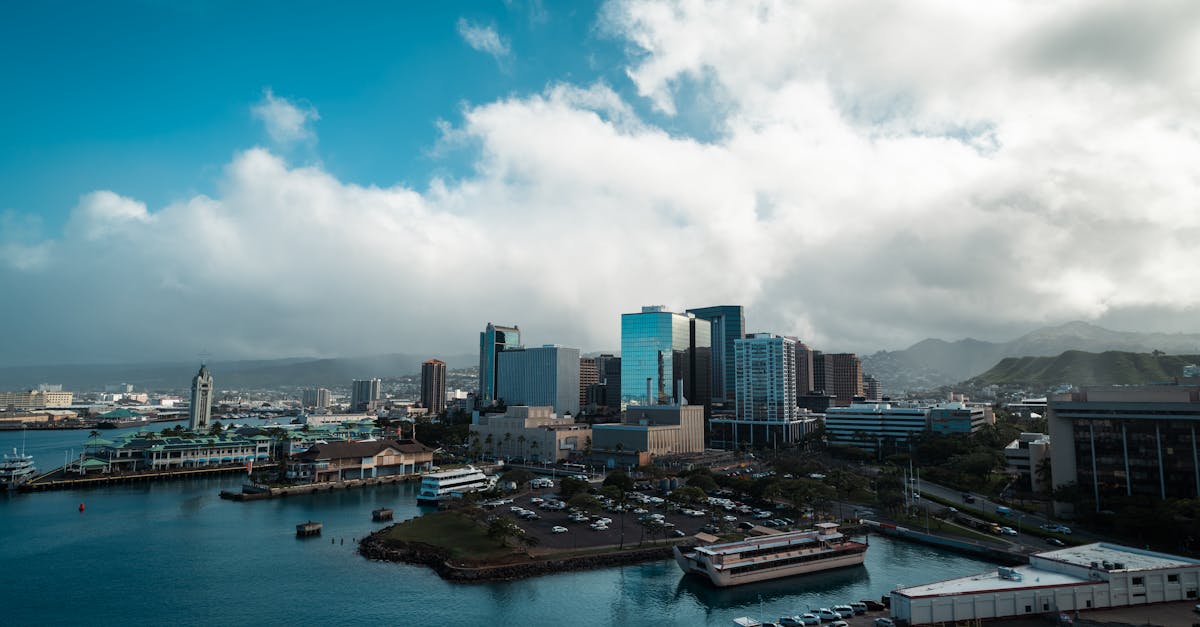
Oʻahu Businesses: Prepare for Weekend Tropical System Impacts
Oʻahu businesses must urgently implement comprehensive storm and wildfire preparedness plans ahead of a developing tropical system forecast to impact the island this weekend. City officials are urging early preparation due to the potential for gusty winds, heavy rainfall, and an elevated wildfire risk.
The Change
The National Weather Service is closely monitoring a tropical system that is expected to bring deteriorating weather conditions to Oʻahu starting Friday night and continuing through the weekend. Forecasts indicate the potential for sustained winds of 20-30 mph with gusts up to 40 mph, along with a significant increase in the risk of brush fires due to dry conditions and high winds. This necessitates immediate action to mitigate potential damage and operational disruptions.
Who's Affected
Small Business Operators (small-operator)
Businesses, particularly those with outdoor seating, unsecured inventory, or located in wind-prone areas, face immediate risks. Gusty winds can cause structural damage to awnings, signage, and outdoor equipment. Power outages are also a significant concern, potentially disrupting operations for retail stores, restaurants, and service providers for extended periods. Staffing can become an issue if employees cannot safely travel to work or if widespread damage necessitates their immediate attention to personal property. The increased wildfire risk, especially in drier leeward areas, could lead to evacuations or property damage.
Real Estate Owners (real-estate)
Property owners and managers need to secure all outdoor assets, including furniture, construction materials, and loose debris, which could become projectiles in high winds. Landlords should communicate preparedness guidelines to tenants. For commercial properties, especially those with large roof areas or expansive glass, the risk of wind-induced damage is elevated. Wildfire risk is a critical concern for properties located near or adjacent to undeveloped, dry vegetation, requiring clear defensible space.
Tourism Operators (tourism-operator)
Hotels, tour operators, and other hospitality businesses should anticipate potential flight disruptions and cancellations affecting arriving and departing visitors. This could lead to a drop in occupancy and tour bookings. Ensuring guest safety is paramount, requiring communication of potential weather impacts and securing outdoor amenities such as pools and beach equipment. Tour operators may need to cancel or reschedule excursions due to unsafe conditions. Vacation rental owners should prepare for potential guest cancellations and communication needs.
Agriculture & Food Producers (agriculture)
Farmers and ranchers face risks to crops and livestock. High winds can damage vulnerable crops, greenhouses, and irrigation systems. Power outages could affect water pumps and climate-controlled facilities. The elevated wildfire risk is particularly concerning for agricultural lands, which often border dry brush, potentially leading to the loss of crops, livestock, and farm infrastructure. Access to fields may be compromised by high winds and rain.
Second-Order Effects
Immediate widespread business disruptions from severe weather can strain supply chains. If key distribution hubs or transportation routes are impacted, availability of essential goods for both consumers and businesses could decrease. This could lead to temporary shortages of food, fuel, and other critical supplies, potentially driving up local prices for remaining inventory. Furthermore, prolonged power outages can halt economic activity, impacting daily wages for hourly workers and reducing overall consumer spending.
What to Do
For Small Business Operators:
- Secure Outdoor Assets: Bring in or tie down all outdoor furniture, signage, trash cans, and any loose equipment by Friday evening.
- Protect Inventory: Move high-value or vulnerable inventory away from windows and doors. Consider flood barriers if in a low-lying area.
- Power Contingency: Ensure backup power sources (generators) are operational and fueled, especially for businesses with refrigeration or critical electronic systems. Have a plan for data backup and remote access.
- Staff Communication: Communicate emergency procedures and work status expectations to all staff. Have a plan for remote work if feasible, or ensure clear communication regarding closures and safety.
- Wildfire Preparedness: Clear brush and debris from around your business premises, especially if located in high-risk areas. Have evacuation plans in place if necessary.
- Insurance Review: Confirm your insurance coverage is up-to-date and understand your policy's terms regarding storm and fire damage. Document your property's condition with photos/videos.
For Real Estate Owners:
- Structural Checks: Inspect roofs, windows, and doors for any pre-existing weaknesses that could be exacerbated by high winds.
- Secure Property: Ensure all loose items on balconies, patios, and common areas are secured. Trim any dead or weak branches from trees on the property.
- Defensible Space: For properties near vegetation, create and maintain defensible space by clearing dry brush, leaves, and debris. Ensure access points for emergency services are clear.
- Tenant Communication: Issue clear advisories to tenants regarding preparedness measures, emergency contact information, and any building-specific procedures.
- Drainage Maintenance: Clear storm drains and gutters to prevent water pooling and potential flooding.
For Tourism Operators:
- Monitor Travel Advisories: Stay updated on airline and travel advisories. Communicate potential impacts proactively to guests.
- Guest Communication: Inform guests about the weather forecast and any operational changes or cancellations. Provide clear instructions for safety during the event.
- Secure Facilities: Secure all outdoor amenities, recreational equipment, and food service areas. Prepare for potential power outages.
- Staff Preparedness: Ensure staff are trained on emergency procedures and have clear communication channels. Consider contingency plans for staffing if travel becomes difficult.
- Cancellation Policies: Review and communicate your cancellation and rebooking policies clearly to customers.
For Agriculture & Food Producers:
- Crop Protection: Implement measures to protect vulnerable crops, such as temporary coverings or securing netting. For high-value crops, consider additional protection measures.
- Irrigation System Security: Secure irrigation equipment and consider shutting down systems if wind damage is a high risk.
- Livestock Safety: Ensure livestock have access to sturdy shelter. Move animals from exposed areas if necessary.
- Fire Risk Mitigation: Maintain defensible space around fields and structures. Have water sources and firefighting equipment readily available. Coordinate with local fire departments if possible.
- Equipment Securement: Secure tractors, pumps, and other outdoor equipment to prevent wind damage.
All Roles:
- Emergency Kit: Ensure personal and business emergency kits are stocked with water, non-perishable food, first-aid supplies, flashlights, batteries, and necessary medications.
- Communication Plan: Establish clear communication channels for staff and stakeholders.
- Stay Informed: Monitor official updates from the City and County of Honolulu, the National Weather Service, and emergency management agencies.
This is a critical time for proactive preparation. Acting decisively before Friday evening will significantly reduce the potential for financial loss, operational disruption, and ensure the safety of personnel and property.
Sources
- KHON2: "Mayor Blangiardi urges early preparation for developing tropical system"
- National Weather Service Honolulu: Primary source for weather forecasts and advisories.
- City & County of Honolulu Department of Emergency Management: Official guidance and alerts for Oʻahu residents and businesses.
- Hawaii Emergency Management Agency (HI-EMA): Statewide disaster preparedness information.