O'ahu Businesses Face Increased Operational Risk from Unpredictable Power Disruptions
Executive Brief
Hawaiian Electric's preemptive power cuts during flood events on O'ahu introduce significant operational risks and necessitate immediate contingency planning for businesses across the island. Without power, critical business functions cease, leading to revenue loss, data security breaches, and potential inventory spoilage, requiring businesses to reassess their resilience strategies by July 1st before the rainy season intensifies.
- Restaurant owners, retail shops, and service businesses: Risk of lost revenue, spoiled inventory, and data loss.
- Hotels, tour companies, and hospitality businesses: Disruption to guest services, booking systems, and potentially accommodations.
- Healthcare providers: Potential disruption to critical care, patient records, and medical equipment.
- Remote workers: Loss of internet connectivity and operational capability.
- Action: All affected businesses should develop and test a power outage contingency plan by July 1st.
The Change
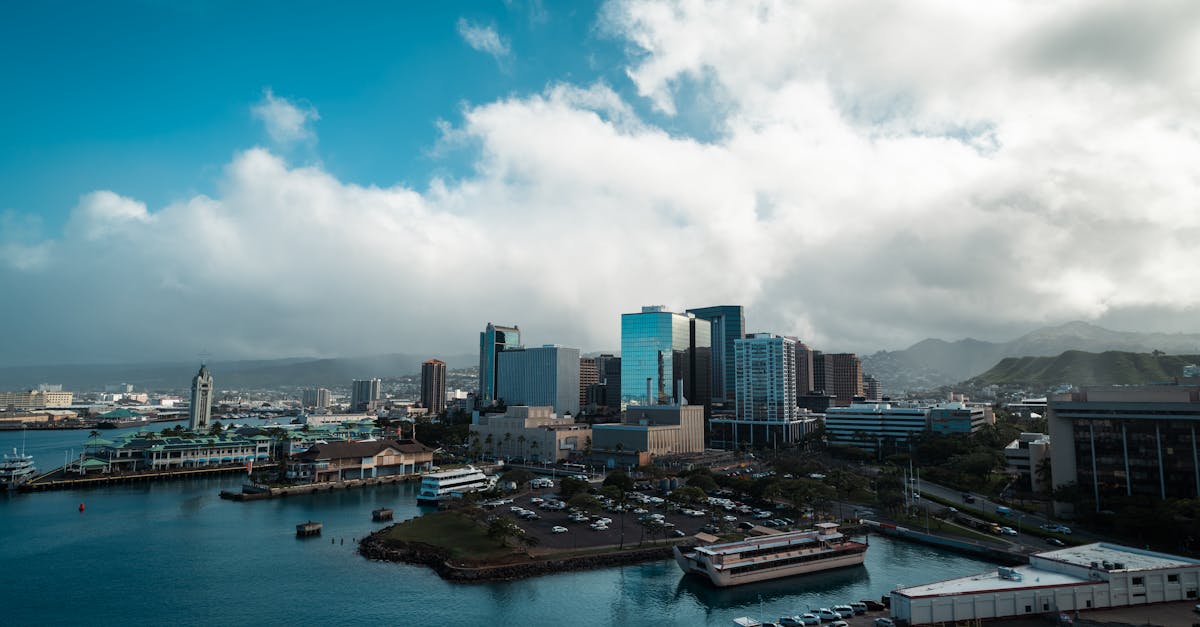
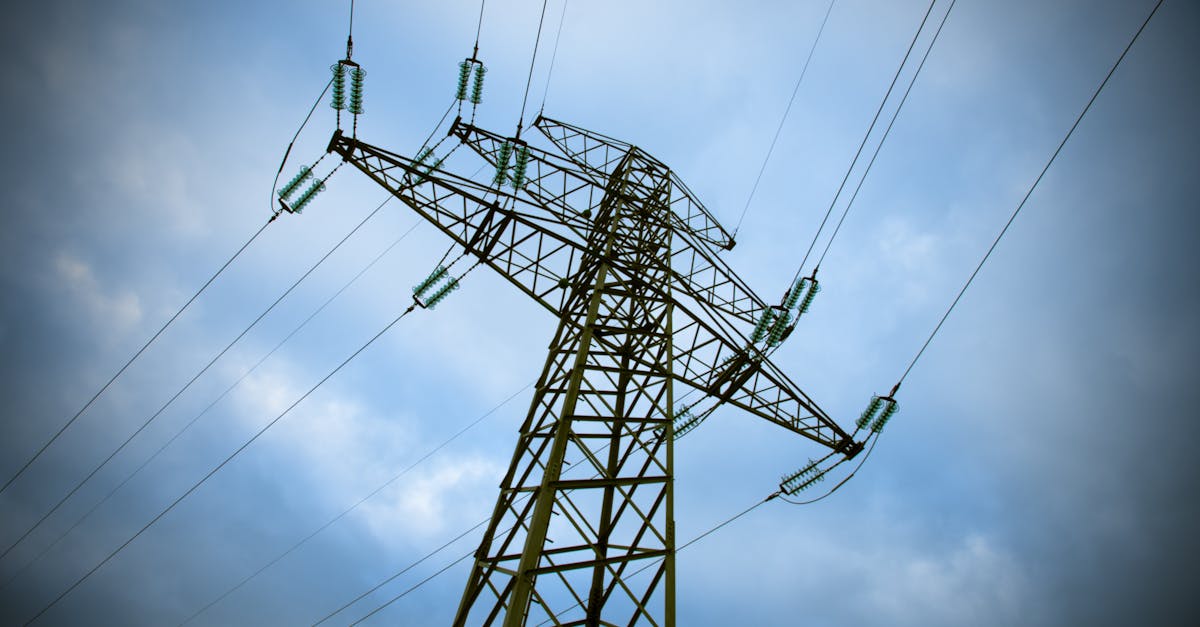
On March 20, 2026, Hawaiian Electric (HECO) implemented preemptive power shutdowns impacting thousands of O'ahu residents and businesses during periods of heavy rainfall and flood conditions. This practice, aimed at preventing more extensive damage to infrastructure during extreme weather, means businesses can face sudden and prolonged electricity disruptions regardless of their specific location or immediate flood risk. Unlike localized outages due to equipment failure, these weather-related preventative cuts can affect broad geographic areas, leaving businesses unprepared for the sudden loss of essential power.
Who's Affected?
Small Business Operators
For small businesses, particularly restaurants, retail stores, and service providers, these power cuts introduce a direct and immediate threat to revenue and operations.
- Financial Loss: Businesses without backup power face a complete halt in operations, resulting in lost sales for the duration of the outage. For businesses with perishable goods, such as restaurants or grocery stores, spoiled inventory can represent a significant financial blow. A single day without power could result in thousands of dollars in lost revenue and damaged stock.
- Data Security: Point-of-sale systems, inventory management software, and customer databases become inaccessible, potentially leading to data loss if not properly backed up to cloud or off-site solutions. The inability to process transactions and manage inventory in real-time can cascade into significant operational headaches.
- Staffing: Employees may be sent home, leading to wage costs without corresponding revenue, or require overtime to catch up once power is restored. Scheduling becomes erratic and difficult to manage.
Tourism Operators
Hawaii's tourism sector, a cornerstone of the state's economy, is highly vulnerable to power disruptions.
- Guest Experience: Hotels rely on electricity for essential services including lighting, HVAC, elevators, internet, and kitchen operations. Extended outages can severely degrade the guest experience, leading to negative reviews and potential compensation claims.
- Operational Systems: Booking engines, check-in/check-out systems, and communication channels are all dependent on reliable power. A widespread outage could cripple a hotel or tour company's ability to operate.
- Reputational Risk: Inconsistent service due to power issues can damage a business's reputation, impacting future bookings and its standing in a competitive global market.
Healthcare Providers
While many healthcare facilities have backup generators, the scope and duration of HECO's preemptive cuts could still pose challenges.
- Critical Infrastructure: While critical life-support systems are typically on generator power, ancillary services and administrative functions can be disrupted. This includes patient record systems (unless fully cloud-based and accessible via alternative means), communication systems, and diagnostic equipment that draws significant power.
- Telehealth: The viability of telehealth services, which have become increasingly important, is directly dependent on reliable internet and power for both the provider and the patient. Widespread outages could make these services impossible for many.
Remote Workers
For the growing population of remote workers and digital nomads in Hawai‘i, reliable power is synonymous with connectivity and productivity.
- Connectivity Loss: Extended power outages mean the loss of internet access (often tied to powered modems and routers), rendering remote work impossible for the duration.
- Productivity Impact: Without power, devices cannot be charged, and essential work tasks cannot be performed, leading to missed deadlines and potential professional repercussions.
Entrepreneurs & Startups
Startups and entrepreneurs, often operating with leaner budgets and less robust infrastructure, face heightened risks.
- Scalability Barriers: The unpredictability of power supply can hinder plans for scaling operations, especially if new equipment or increased power demands are anticipated.
- Investor Confidence: Frequent disruptions can create an image of an unreliable business environment, potentially deterring investors looking for stable operational conditions.
Agriculture & Food Producers
While often located in areas less prone to immediate urban grid disruption, the impact on processing, storage, and logistics can be substantial.
- Perishable Goods: Produce and any processed food items stored in refrigerated or frozen facilities are at risk of spoilage if backup power is insufficient or unavailable.
- Water Pumping: Agricultural operations often rely on electric pumps for irrigation. Extended outages can impact crop health and yield.
Second-Order Effects
HECO's preemptive power cuts during flood conditions exacerbate Hawaii's inherent vulnerabilities as an island economy.
- Increased Operating Costs: Businesses that invest in and maintain robust backup power solutions (generators, battery storage) incur significant capital and operational expenses. These costs are inevitably passed on to consumers through higher prices for goods and services, effectively increasing the cost of living for all residents.
- Reduced Tourism Competitiveness: A perception of unreliability due to frequent power disruptions can deter tourists seeking seamless vacation experiences, potentially leading to fewer bookings and a diminished appeal compared to destinations with more stable infrastructure.
- Strain on Support Services: Emergency services and infrastructure repair crews face amplified challenges responding to widespread power outages concurrently with flood-related emergencies, potentially delaying restoration efforts for both power and flood damage.
What to Do
Small Business Operators
Action: Develop and implement a comprehensive power outage contingency plan. If you haven't already, review your immediate needs and procure backup solutions.
- Assess Critical Needs: Identify essential functions that must continue during an outage (e.g., POS systems, refrigeration, basic lighting, security).
- Invest in Backup Power: For critical functions, consider investing in UPS (Uninterruptible Power Supply) systems for short-term power needs, or generators for longer outages. Evaluate the cost-benefit of portable versus fixed generator solutions for your specific business.
- Data Backup: Ensure all critical data is backed up to a secure cloud service or off-site location daily, with verification of successful backups.
- Communication Plan: Develop a plan to inform staff and customers about the outage and expected return to service. This could involve social media updates, pre-written email templates, or a notification system.
- Perishable Inventory Management: For food-related businesses, review freezer/refrigerator capacity and consider investing in additional portable coolers or dry ice solutions for short-term needs. Understand your insurance policy's coverage for spoilage.
- Test Your Plan: Schedule a test of your backup systems and contingency procedures at least twice a year, ideally before the peak rainy season.
Tourism Operators
Action: Enhance backup power capabilities and update emergency response protocols for lodging and tour operations.
- Generator Capacity: Verify that existing backup generators are sufficient for peak load and have adequate fuel reserves. For hotels, consider independent power solutions for critical guest services beyond basic life safety.
- Guest Communication: Establish clear protocols for communicating with guests during an outage, including providing updates on restoration times and offering amenities where possible (e.g., charging stations).
- IT Resilience: Ensure booking, payment, and communication systems have robust backup or failover capabilities, potentially leveraging satellite internet or mobile hotspots where feasible.
- Staff Training: Train staff on emergency procedures, including safe guest management and operational adjustments during power loss.
Healthcare Providers
Action: Audit and reinforce backup power systems and explore tiered approaches to essential service continuity during extended outages.
- Generator Maintenance: Conduct thorough and frequent testing of all backup generators, ensuring adequate fuel supply and load-handling capacity for critical medical equipment and essential services.
- System Redundancy: For patient record systems, ensure cloud-based backups are accessible through alternate internet connections, and consider redundant communication lines.
- Telehealth Contingency: Develop protocols for telehealth providers to manage connectivity issues and inform patients of potential service disruptions.
Remote Workers
Action: Secure reliable backup power for essential work equipment and establish alternative work locations.
- Portable Power Stations: Invest in portable power stations (e.g., Jackery, Goal Zero) with sufficient capacity to run laptops, modems, and routers for several hours.
- Mobile Hotspots: Ensure you have access to a robust mobile data plan and a reliable mobile hotspot device as a backup internet connection.
- Alternative Workspaces: Identify local co-working spaces or libraries with reliable power and internet that can serve as temporary workspaces.
- Data Backup: Emphasize regular cloud backups to prevent data loss from unexpected device shutdowns.
Entrepreneurs & Startups
Action: Integrate power resilience into business continuity planning and explore scalable backup solutions.
- ROI on Backup: For critical operations, perform a cost-benefit analysis of investing in generators or robust UPS systems versus the potential cost of lost revenue and data during an outage.
- Lean Solutions: For very early-stage startups, prioritize cloud-based operations and mobile hotspot solutions as cost-effective resilience measures.
- Vendor Viability: When selecting key technology vendors, inquire about their own power outage contingency plans and service level agreements.
Agriculture & Food Producers
Action: Assess current backup power for cold storage and irrigation, and reinforce inventory management protocols.
- Cold Storage Backup: Ensure all critical cold storage units have reliable backup power of sufficient duration. Explore supplemental solutions like portable generators or enhanced insulation.
- Irrigation Systems: Evaluate the dependency on grid power for irrigation pumps and investigate options for backup power for these systems if they are crucial for crop survival.
- Inventory Tracking: Implement real-time inventory tracking that can be accessed remotely and is tied to a robust backup system to manage potential losses.