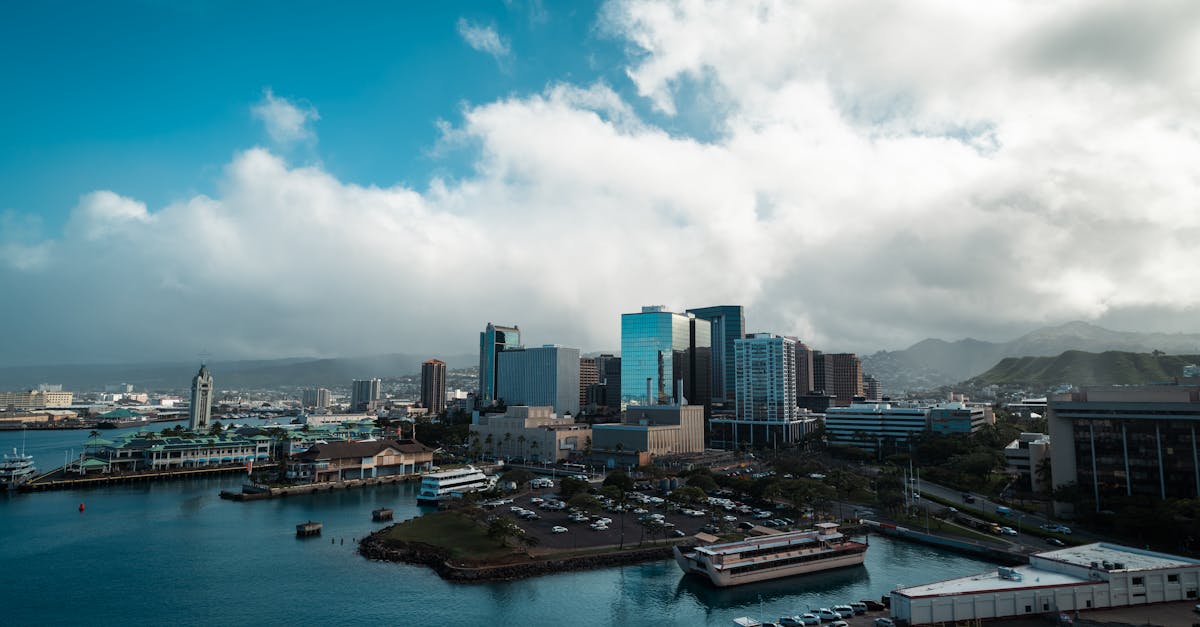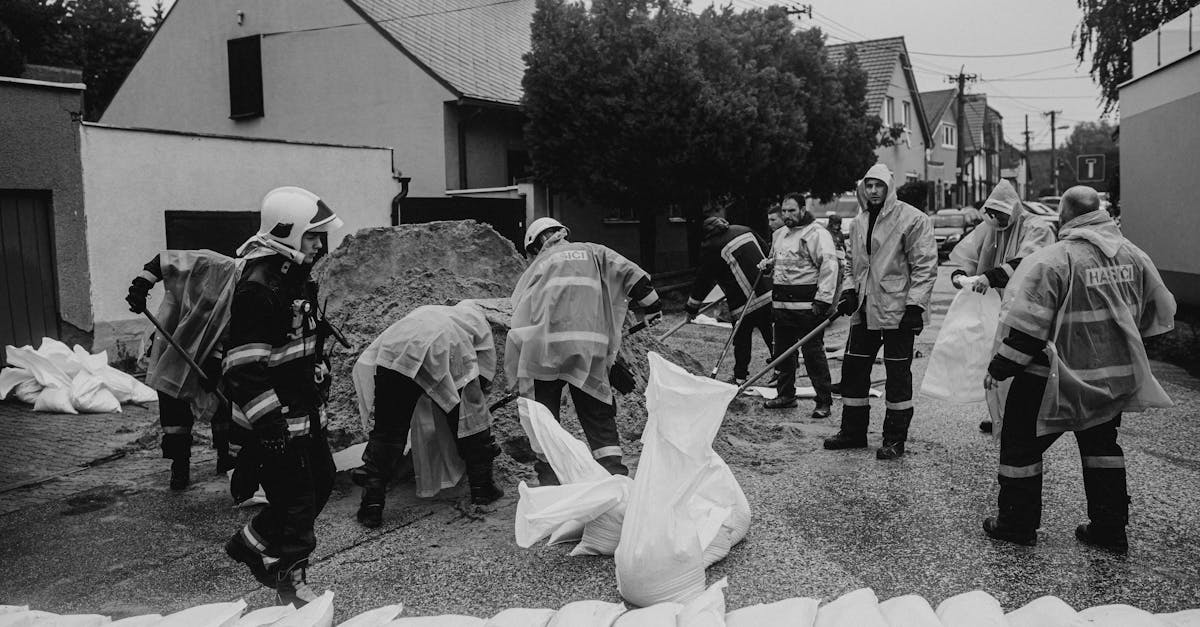
Oahu Businesses Face Workforce Disruptions and Increased Operating Demands Due to Severe Weather Displacement
A severe Kona Low weather system has caused significant displacement of Oahu residents, leading to the opening of multiple evacuation shelters. This event is creating immediate operational challenges for businesses across the island, particularly impacting workforce availability and demand for essential goods and services.
The Change
As of Saturday, March 21, 2026, severe weather conditions have necessitated the opening of evacuation shelters on Oahu. This indicates a substantial number of residents have been displaced from their homes due to flooding, high winds, or other weather-related damages. The immediate aftermath requires a coordinated response that directly affects business operations, including staffing and service provision. The duration of the severe weather and the subsequent recovery period will dictate the length of these operational impacts.
Who's Affected
Small Business Operators
Businesses such as restaurants, retail shops, and service providers in areas affected by displacement or severe weather should anticipate immediate challenges. The primary concern is staffing availability. Employees may be unable to commute to work due to damaged infrastructure, personal property loss, or the need to care for families displaced by the weather. Some businesses may also experience a surge in demand for essential goods and services as displaced individuals seek immediate needs. This could strain inventory and operational capacity. For businesses in the hardest-hit areas, temporary closures may be unavoidable.
Real Estate Owners
Property owners, landlords, and property managers in affected zones may face immediate inquiries regarding temporary housing solutions for displaced residents. Some rental units might become temporarily unavailable if they are damaged or if tenants are unable to access them. Property managers should prepare for increased communication regarding emergency repairs and tenant support. Long-term, this event could highlight vulnerabilities in housing stock and increase demand for resilient building practices and emergency preparedness.
Tourism Operators
Hospitality businesses, including hotels and vacation rental providers, may experience a dual impact. Firstly, hotels might receive requests for emergency, extended accommodations from local residents displaced by the weather. Secondly, tour operators and other tourism-dependent businesses should monitor weather forecasts and their impact on visitor safety and activity bookings. Any disruption to flight schedules or inter-island travel could lead to cancellations or postponements, affecting revenue. Businesses relying on visitor traffic should adjust staffing and service offerings based on potential inbound or outbound travel disruptions.
Second-Order Effects
This weather event initiates a cascade of effects within Hawaii's isolated economy. Displacement of residents places immediate demand on emergency services and shelter operations, potentially diverting resources and attention from other sectors. This can lead to a shortage of available labor as employees prioritize personal safety and family needs, directly impacting operational capacity for businesses. The increased demand for essential goods and services from displaced persons can strain local supply chains, potentially leading to temporary price increases for specific items. Furthermore, the need for emergency repairs and rebuilding could drive up demand and costs for construction materials and labor, impacting future development and renovation projects.
What to Do
Immediate Actions (Next 72 Hours):
For Small Business Operators:
- Assess Staffing: Immediately contact all employees to confirm their safety and availability. Establish clear communication channels and flexible work arrangements where possible.
- Inventory Check: Review inventory for essential goods or services that may see a sudden demand increase. Prepare for potential shortages or the need for rapid restocking.
- Operational Adjustments: Determine if temporary closures, altered hours, or service modifications are necessary due to staff availability or local conditions. Communicate any changes clearly to customers via website, social media, and signage.
- Community Support: Consider how your business can support displaced residents, whether through donations, offering space, or providing discounted services. This can foster goodwill and community resilience.
For Real Estate Owners:
- Tenant Communication: Reach out to tenants in affected properties to assess damage and immediate needs. Provide clear information on emergency repair procedures and contact points.
- Inquiry Management: Be prepared for an influx of inquiries from individuals seeking temporary housing. Develop a clear process for assessing needs and offering available properties, if applicable and safe.
- Property Assessment: Conduct rapid assessments of your properties for damage that may impact habitability or create safety hazards.
For Tourism Operators:
- Monitor Bookings: Track cancellations or modifications to existing reservations due to travel disruptions or weather impacts on popular attractions. Be flexible with rebooking policies.
- Guest Communication: Proactively communicate with current guests about any potential disruptions to tours or services. Provide safety information and updates on weather conditions.
- Extended Stay Inquiries: Hotels should prepare for potential requests from displaced residents seeking temporary accommodation. Have a clear policy for extending stays, considering local regulations and service capacity.
Medium-Term Outlook (Next 1-2 Weeks):
For All Roles: Monitor official advisories from Hawaii Emergency Management Agency and local news outlets for updates on weather conditions, road closures, and infrastructure status. Continue to prioritize employee well-being and community support as recovery efforts progress. The need for housing and basic services may persist, influencing local demand and workforce dynamics for an extended period. Be prepared for potential supply chain delays and increased costs for materials and services as the island recovers.
Final action is contingent on the actual impact and duration of the severe weather. Staying informed through reliable sources is critical for adaptive business strategies in the coming days and weeks.