


The Change
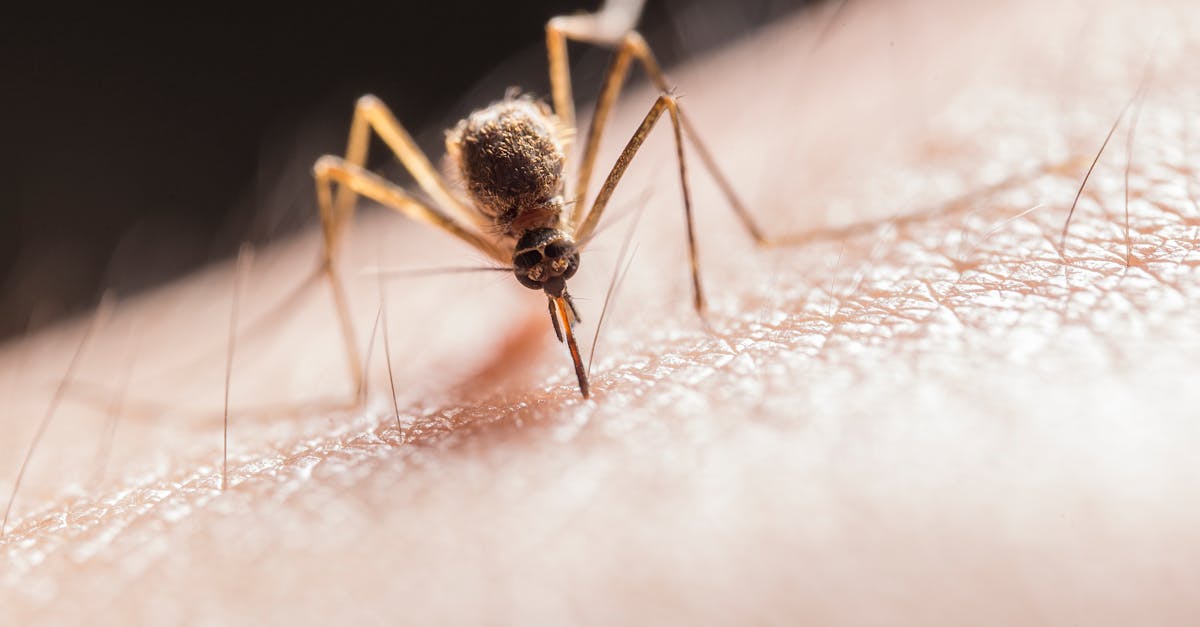
The Hawaii Department of Health (HDOH) has confirmed a third travel-related case of dengue fever on Oahu in recent weeks. While these cases are isolated and travel-associated, the existence of multiple cases necessitates increased public health vigilance and communication. There is no indication of local transmission at this time, but the HDOH continues to monitor the situation and advise residents and visitors on mosquito bite prevention.
Who's Affected
- Tourism Operators: Hotels, tour companies, and vacation rental managers should note that while current case numbers are low, any perception of health risks can influence booking decisions. Proactive communication about Hawaii's consistent public health standards and mosquito bite prevention measures becomes crucial. Operators may need to prepare for increased inquiries from concerned visitors.
- Healthcare Providers: Clinics and hospitals on Oahu should be aware of the confirmed cases and be prepared for potential increases in patient inquiries or presentations with symptoms consistent with dengue fever (fever, headache, rash, muscle/joint pain). Ensuring staff are up-to-date on diagnostic protocols and reporting requirements for mosquito-borne illnesses is advisable.
- Small Business Operators: Businesses, particularly those relying on local foot traffic or outdoor events, should monitor public health advisories from the HDOH. While direct impact is unlikely, a general heightened public awareness of health risks could subtly affect consumer confidence or participation in local gatherings. Standard sanitation and pest control practices remain important.
Second-Order Effects
Confirmed cases of mosquito-borne illnesses, even if isolated, can contribute to a broader narrative of health concerns in an island destination. This could indirectly lead to more cautious inquiries from prospective tourists, potentially impacting booking sentiment in the short term. Furthermore, sustained health alerts, even without local transmission, might prompt increased scrutiny of environmental health and pest management practices across the islands, potentially leading to new regulations or operational costs for businesses.
What to Do
- Tourism Operators: Monitor announcements from the Hawaii Department of Health and the Hawaii Tourism Authority for any updated guidance or public health advisories. Review your visitor communication materials to ensure they include clear, accurate information on mosquito bite prevention. Be prepared to answer guest questions calmly and factually.
- Healthcare Providers: Stay informed about the latest guidelines for dengue diagnosis and reporting from the CDC and Hawaii Department of Health. Ensure your facility has the necessary diagnostic tools and that staff are aware of current recommendations for public education on mosquito-borne illnesses.
- Small Business Operators: Maintain excellent sanitation and pest control practices. Be aware of local event advisories. For businesses that heavily rely on visitor volume or specific local events, keep an eye on booking trends and public sentiment as reported by industry associations.
Action Details: Watch public health alerts from the Hawaii Department of Health and the Hawaii Tourism Authority for any changes in advisory levels or confirmed local transmission. If advisories escalate or local transmission is confirmed, tourism operators should proactively communicate preventative measures to guests and consider adjusting marketing messages to emphasize health and safety. Small businesses should be prepared to address any potential impact on local event attendance.


