


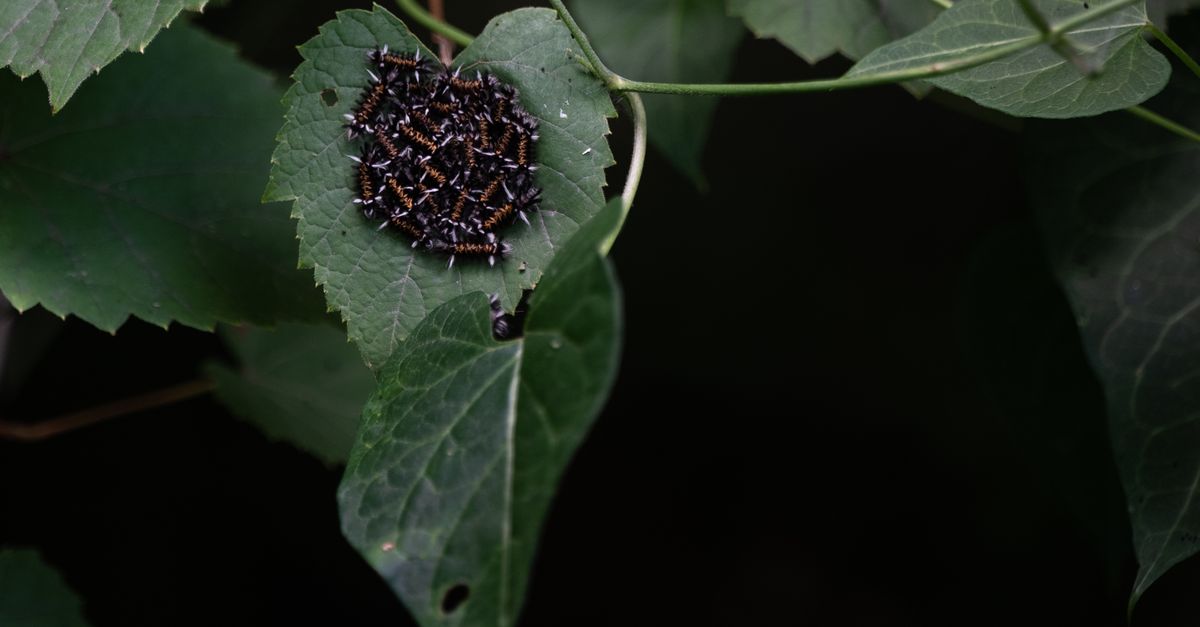
Stinging Caterpillar Infestations on Oahu Escalate
Oahu is experiencing a growing number of reports concerning stinging caterpillar infestations. While not yet a widespread crisis, the increasing prevalence suggests a need for businesses to be aware of potential impacts on outdoor operations and public health. The primary concern is the caterpillars' urticating hairs, which can cause skin irritation and allergic reactions upon contact. Local authorities and entomologists are monitoring the situation, emphasizing that early and widespread efforts are key to managing the spread.
Who's Affected
Tourism Operators Businesses heavily reliant on outdoor visitor experiences, such as guided nature tours, beachside restaurants, and outdoor event venues, face the highest immediate risk. While direct cancellations are unlikely at this stage, increased guest complaints or a need for cautionary signage could arise. A significant escalation of infestations could lead to temporary closures of specific park areas or trails, impacting tour itineraries. The potential for negative social media mentions or a general perception of decreased visitor comfort cannot be discounted, particularly if proactive management is not visible.
Small Business Operators Businesses with outdoor seating, such as restaurants and cafes, may need to implement intermittent cleaning protocols or public advisories. Retailers in outdoor markets or those whose customer traffic relies on pleasant outdoor environments might see a marginal decrease in foot traffic if public concern grows. The current impact is minor, but sustained or worsening infestations could necessitate minor operational adjustments or increased public communication efforts.
Agriculture & Food Producers At present, stinging caterpillars pose a low direct threat to most agricultural operations on Oahu. Their primary impact is to human health and comfort rather than crop damage. However, any significant increase in insect populations could eventually lead to broader ecological shifts that might affect agriculture in the long term. Monitoring the spread and potential natural predators or management techniques becoming available is prudent.
Second-Order Effects
An increase in stinging caterpillar populations, if left unmanaged, could lead to localized restrictions on park access or trails. This could, in turn, reduce foot traffic for businesses adjacent to these areas, potentially impacting revenue. Furthermore, a perceived decline in the safety or pleasantness of outdoor public spaces could negatively influence tourist perceptions of Oahu as a destination, potentially impacting overall tourism numbers and subsequently affecting the broader service industry employment.
What to Do
Given the "WATCH" classification, proactive measures should focus on awareness and monitoring rather than immediate operational changes.
Tourism Operators: Closely monitor advisories from the Hawaii Department of Health and local county agencies regarding stinging caterpillar activity in areas frequented by tourists. Be prepared to update visitor information or provide cautionary advice if infestations become concentrated in popular tour locations. Have a plan for communicating any potential itinerary changes or impacts on outdoor activities to guests.
Small Business Operators: Stay informed about the geographic spread of reported infestations. If your business has significant outdoor seating or activities, consider placing subtle informational signage for guests, advising them about potential contact. Ensure staff are aware of basic first-aid procedures for skin irritation.
Agriculture & Food Producers: While direct impact is minimal, maintain awareness of any ecological shifts that could indirectly affect your operations. Report any unusual insect activity that might be related to broader pest trends to the appropriate agricultural extension offices.
Monitoring Triggers
No immediate action beyond monitoring is advised. However, businesses should initiate contingency planning if the following conditions are met:
- County or State agencies issue formal public health warnings recommending avoidance of specific outdoor recreation areas due to caterpillar density.
- Significant increase in visitor complaints or inquiries regarding insect presence impacting their experience.
- Sustained infestation reported in multiple popular tourist zones across the island for over 30 days.
If these triggers occur, businesses should re-evaluate their reliance on outdoor spaces and prepare for potential operational adjustments or enhanced public communication.


