


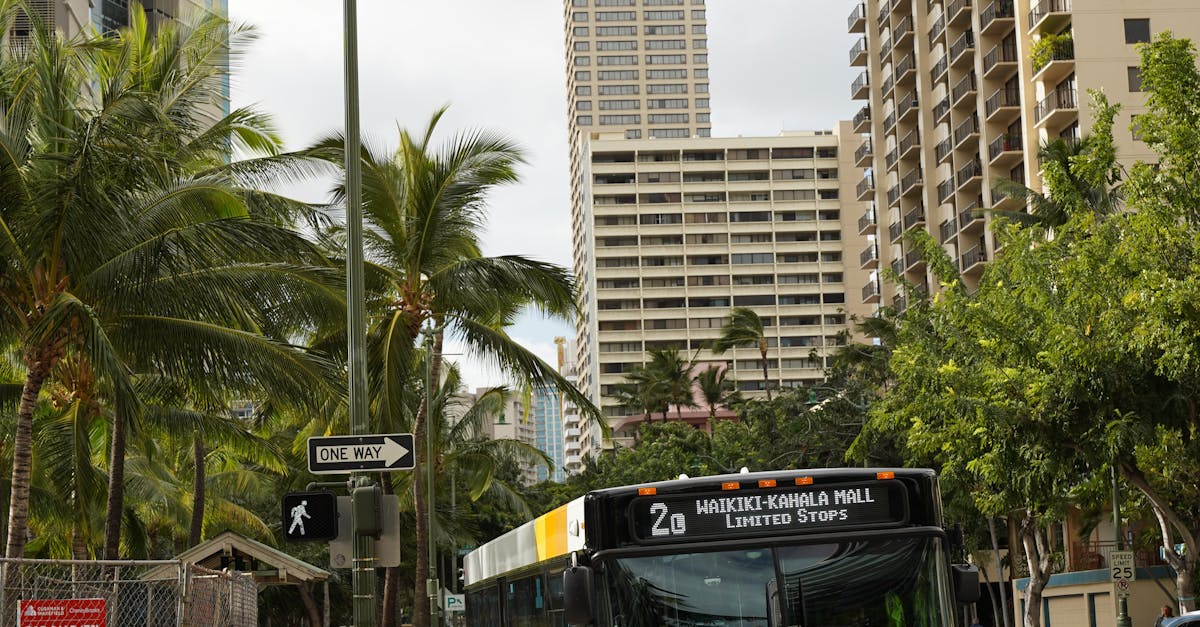
Oahu Public Transit Fare Hikes Add $0.50 Per Ride, Impacting Business Operating Costs and Consumer Budgets July 1
Starting July 1, 2026, the cost of riding Oahu's public transportation system, including TheBus and the Honolulu rail, will increase by $0.50 per single ride. This adjustment means a standard single bus fare will rise from $3.00 to $3.50, and a 30-day pass will increase from $80.00 to $85.00. This fare hike is part of an effort by the Honolulu Department of Transportation Services (DTS) to address operational budget shortfalls and invest in system improvements.
For many businesses on Oahu, particularly those with a significant number of employees who rely on public transit for their commute, this fare increase represents a direct, albeit modest, rise in their employees' cost of living. This can translate into increased pressure on wages and benefits. Furthermore, for consumer-facing businesses like restaurants and retail shops, a decrease in disposable income for a segment of the population could influence spending habits.
Who's Affected
Small Business Operators (e.g., Restaurants, Retail Shops, Service Businesses)
- Increased Commute Costs for Staff: Employees who depend on public transit will see their daily or weekly commute expenses rise by approximately 16.7% for single rides. Businesses that provide transportation stipends or that consider commute costs in wage negotiations may need to adjust their budgets. If the average employee takes two bus rides per workday, five days a week, this amounts to an additional $10 per week per employee, or approximately $520 annually.
- Potential Impact on Foot Traffic/Sales: Reduced discretionary income for transit-dependent residents could lead to lower spending at local businesses. While the direct impact of a $0.50 fare increase may seem small, it contributes to a larger picture of rising costs for consumers, potentially impacting sales volumes for non-essential goods and services.
- Staffing and Retention: In a competitive labor market, increased commuting costs could become a factor in employee retention. Businesses may face pressure to offer higher wages or enhanced transportation benefits to attract and keep staff.
Tourism Operators (e.g., Hotels, Tour Companies, Hospitality Businesses)
- Tourist Spending Habits: While most tourists use rental cars or ride-sharing services, a portion relies on public transport for budget travel or to navigate specific areas. An increase in transit fares could slightly reduce their available discretionary income for other tourist activities or purchases.
- Local Employee Commutes: For hotels and other hospitality businesses with a large local workforce, the impact on employee commute costs is similar to that for small businesses. This could indirectly affect staffing stability and operational costs.
Healthcare Providers (e.g., Private Practices, Clinics)
- Staff Commute Costs: Similar to other sectors, healthcare providers may face increased pressure to offset higher commute costs for their employees, especially for positions that are harder to fill. This could exacerbate existing staffing challenges, particularly for nurses and support staff who may rely on public transportation.
- Patient Access: While less direct, a general increase in living costs for residents might indirectly affect patients' ability to afford medical services or adhere to treatment plans if they have less disposable income.
Real Estate Owners (e.g., Property Owners, Developers, Landlords)
- Indirect Impact on Rental Demand: A slight increase in the cost of living, including transportation, can subtly affect the desirability of areas heavily reliant on public transit. This might influence rental demand for properties located near major bus lines or rail stations.
- Property Management Costs: Property managers and owners who utilize public transit for property visits or maintenance may experience a minor increase in operational expenses.
Second-Order Effects
The fare increase, while seemingly small, contributes to the cumulative effect of rising living expenses in Hawaii. For individuals earning minimum wage or slightly above, a $0.50 fare hike across multiple rides daily can represent a noticeable portion of their budget. This may lead them to cut back on other expenditures, impacting local retail and service businesses. Moreover, increased commuting costs for employees can intensify demands for higher wages, further pressuring business operating margins. This cycle, driven by Hawaii’s high cost of living and isolated economy, means that even minor utility and transportation cost changes can have amplified effects on both household budgets and business viability.
What to Do
For Small Business Operators:
- Review Employee Compensation and Benefits: Analyze your current wage structure and any transportation-related benefits. Consider if an adjustment is necessary to maintain competitiveness in attracting and retaining staff who rely on public transit. Proactively communicate any changes to your employees before July 1.
- Update Financial Projections: Incorporate the increased commute cost assumption for transit-dependent employees into your budget for the remainder of the year and for future planning. This may affect labor cost calculations for new projects or pricing strategies.
- Enhance Employee Communication: Openly discuss the fare increase with your staff. Understanding their concerns can help tailor potential support or benefits more effectively.
For Tourism Operators:
- Monitor Consumer Spending Trends: Keep an eye on local economic indicators and visitor spending patterns in the coming months. Be prepared to adjust marketing or service offerings if there's a noticeable shift in discretionary spending.
- Support Local Workforce: If you employ staff who use public transit, consider offering commuter benefits or ensuring competitive wages to mitigate the impact of the fare increase on your employees.
For Healthcare Providers:
- Assess Staffing Costs: Evaluate the potential impact of increased commute costs on your current staffing budget and any upcoming recruitment needs. Plan for potential wage adjustments or enhanced benefit packages to attract and retain talent.
- Communicate with Staff: Engage with your employees to understand their concerns regarding the fare increase and explore any feasible support mechanisms.
For Real Estate Owners:
- Evaluate Rental Market Dynamics: While the impact is marginal, stay informed about how cumulative cost-of-living increases might affect rental demand and pricing, especially for properties accessible via public transit.
Sources
- KHON2 News - Report on fare adjustments for Oahu's public transit. (original source)
- Honolulu Department of Transportation Services - Official body responsible for public transit operations and fare policies.
- TheBus and Handi-Van Service Official Website - Publicly available fare information and service details.
- Hawaii Public Radio (HPR) - Local news coverage on state and county transportation policies and their economic impact.


