Oahu Retailers Brace for Higher Operating Costs in 2026
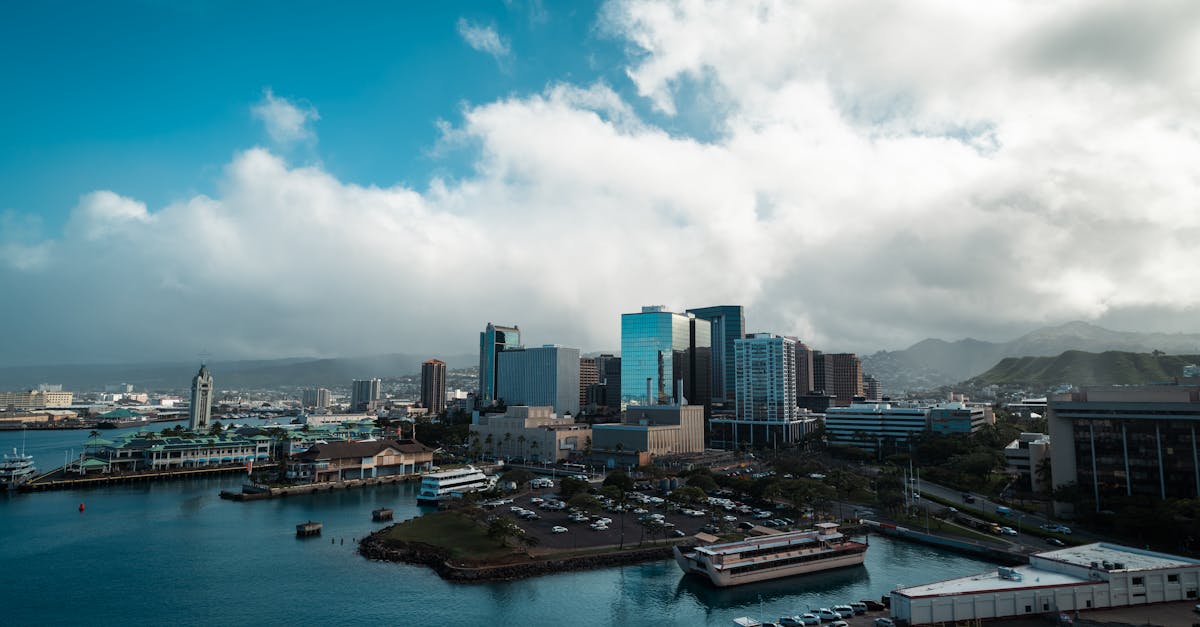
Oahu's retail sector, which saw a robust end to 2025 with a vacancy rate of 5.6%, is now poised for increased operating expenses in 2026. New tariffs and an anticipated rise in wages are expected to drive up the cost of goods sold (COGS) and labor, potentially impacting profitability and necessitating strategic adjustments for businesses across the island.
The Change
As of January 2026, retailers on Oahu can expect to contend with the financial implications of new tariffs levied on imported goods. Concurrently, a tightening labor market is pushing wages higher. These dual pressures are projected to increase the cost of doing business, potentially offsetting the sales gains witnessed in late 2025.
Who's Affected
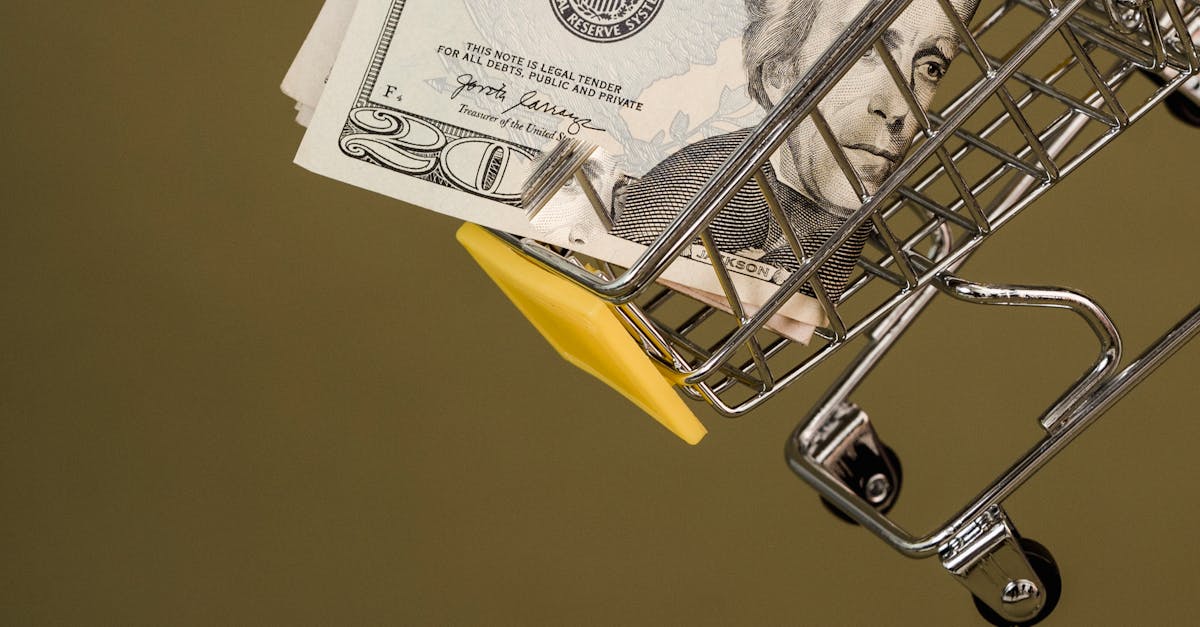
Small Business Operators (Retail Shops, Restaurants, Service Providers, Local Franchises): Businesses relying on imported goods will directly experience higher COGS due to tariffs, estimated to range from 3-7% depending on product origin. Coupled with a projected 2-5% increase in wages driven by a competitive labor market, these operators could see their overall operating expenses rise by 5-10% in 2026. This necessitates a careful review of pricing strategies and inventory levels to maintain healthy profit margins.
Real Estate Owners (Property Owners, Landlords, Property Managers): While lower vacancy rates are a positive signal, increased operating costs for tenants could lead to challenges in lease renewals and rent negotiations. Landlords may need to consider offering more flexible lease terms or invest in property enhancements to retain valuable tenants. Developments requiring significant upfront capital may also face increased pricing pressure from contractors citing higher material and labor costs.
Investors (VCs, Angel Investors, Portfolio Managers, Real Estate Investors): Retail-centric portfolios are exposed to increased risk due to rising operational expenses for businesses. Investors should monitor the ability of Oahu retailers to pass these costs onto consumers without significantly impacting sales volume. The resilience of local demand against these inflationary pressures will be a key indicator of future returns in the sector.
Second-Order Effects
Higher tariffs and labor costs for retailers can lead to increased consumer prices. This directly impacts the cost of living, potentially reducing discretionary spending on non-essential goods and services. For real estate owners, if tenant profitability contracts, it could slow down new commercial development and put downward pressure on commercial property values in the long term. Furthermore, increased staffing costs for businesses may further incentivize automation where feasible, impacting future employment trends.
What to Do
Small Business Operators:
- Action: Begin Q1 2026 by reviewing supplier contracts and freight costs for potential tariff impacts. Renegotiate with suppliers where possible or explore alternative sourcing. Evaluate current pricing structures and determine a phased approach to passing on increased costs without alienating customers. Explore efficiency gains in operations and inventory management.
Real Estate Owners:
- Action: In upcoming lease negotiations, proactively discuss anticipated cost increases with existing tenants. Consider offering incentives for longer lease commitments or exploring tiered rent structures based on tenant revenue. For new developments, factor in potential construction cost escalations into financial models.
Investors:
- Action: Focus on due diligence for retail investments, emphasizing businesses with strong pricing power, diversified supply chains, and efficient operations. Monitor key performance indicators such as same-store sales growth, gross margin trends, and labor cost ratios of portfolio companies throughout 2026. Be prepared to adjust portfolio weightings based on demonstrated resilience to rising costs.