


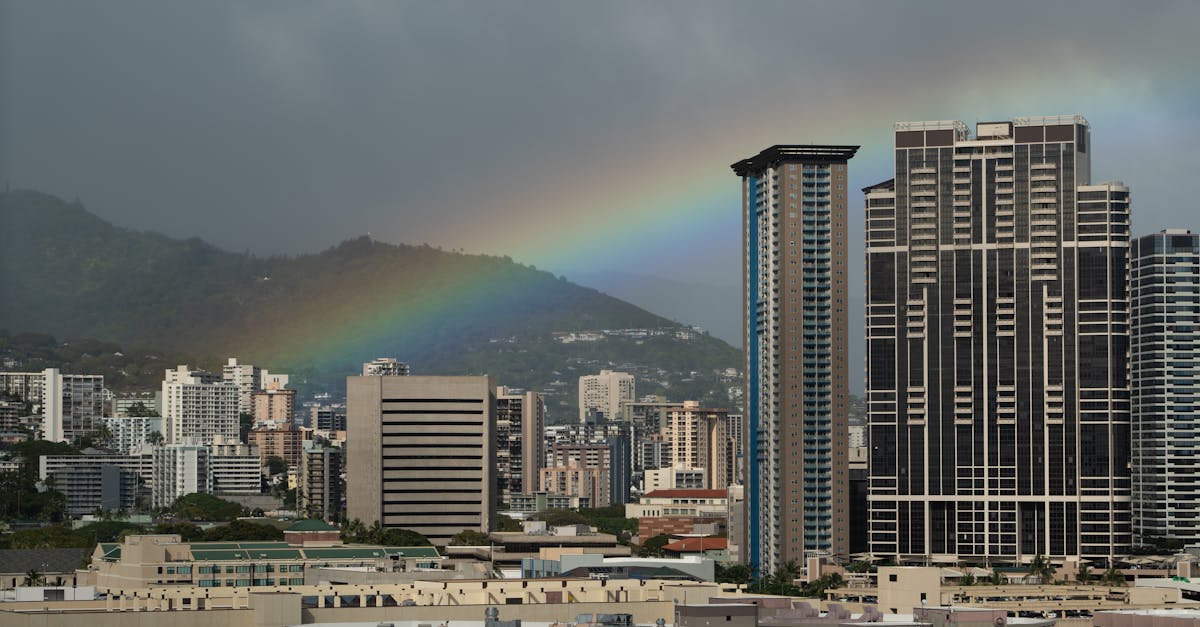
Oahu Storms Trigger Potential 8% Tourism Revenue Shortfall: Monitor Infrastructure Vulnerabilities
Executive Brief
Recent severe storms on Oahu's North Shore have caused widespread damage and are projected to result in a statewide tourism revenue loss of approximately $325 million, impacting businesses reliant on visitor spending. Tourism operators and small businesses should monitor critical infrastructure status and visitor confidence.
-
Tourism Operators: Face potential revenue declines due to reduced visitor numbers and destination appeal.
-
Small Business Operators: Risk operational disruptions and increased costs for repairs and supply chain resilience.
-
Real Estate Owners: Property damage and potential insurance claim complexities require attention.
-
Investors: May see shifts in sector performance and need to re-evaluate risk exposure.
-
Agriculture & Food Producers: Can experience supply chain disruptions and damage to crops/infrastructure.
-
Action: Watch infrastructure resilience reports and consumer confidence indices; reassess business continuity plans.
The Change
Severe Kona-low storms recently inundated Oahu's North Shore, leading to significant flooding, road closures, and damage to businesses and agricultural operations. These events have directly impacted tourism, with preliminary estimates suggesting a statewide loss of $325 million in tourism revenue. The Honolulu Star-Advertiser reported that instances like Jill Coryell's Waialua nursery surviving on raised benches highlight the vulnerability of local businesses to extreme weather, even with adaptive measures. The lingering effects of such events not only disrupt immediate operations but also raise questions about the long-term resilience of Hawaii's tourism-dependent economy.
Who's Affected
Tourism Operators: Hotels, tour operators, and vacation rental businesses face immediate challenges. Reduced accessibility to popular North Shore attractions and potential damage to coastal properties can deter visitors. The projected $325 million statewide revenue loss translates to a potential 8% dip in tourism's economic contribution, directly impacting occupancy rates, tour bookings, and overall profitability. Businesses must anticipate potential cancellations and assess damage to their own facilities.
Small Business Operators: Beyond the tourism sector, local businesses on the North Shore and across Oahu are experiencing disruptions. Jill Coryell's nursery example illustrates how even resilient operations face immediate business cessation due to flooding. Retailers may see reduced foot traffic due to road closures and a decrease in tourist spending. Service providers could face increased demand for repair services but also struggle with their own supply chain issues and operational downtime.
Real Estate Owners: Properties on the North Shore and other low-lying areas are at direct risk of flood damage, leading to potential insurance claims and significant repair costs. Landlords may face requests for rent abatement from affected tenants. Developers and property managers should assess the vulnerability of their existing and planned projects to increasingly frequent extreme weather events, potentially impacting insurance premiums and development feasibility.
Agriculture & Food Producers: As seen with the Waialua nursery, agricultural operations are highly susceptible to flooding and heavy rainfall. Crops can be damaged or lost, and livestock may be at risk. Infrastructure like irrigation systems and farm roads can be compromised. Furthermore, storm-related disruptions to transportation and logistics can impact the ability to get products to market, affecting both local distribution and export.
Investors: Investors in Hawaii's tourism and hospitality sectors need to monitor the impact of these storms. The $325 million revenue loss figure suggests a downturn that could affect the financial performance of publicly traded companies with significant Hawaii operations, as well as private equity or venture capital investments in the local tourism ecosystem. Real estate investors in vulnerable coastal areas may need to consider mitigation strategies and future insurance costs.
Second-Order Effects
Extreme weather events leading to tourism revenue loss can trigger a cascade of economic impacts. A significant reduction in visitor spending can decrease demand for local goods and services, potentially leading to reduced operating hours or layoffs for tourism operators and small business operators. This, in turn, could dampen consumer spending on local retail and dining, and potentially reduce demand in the real estate market as overall economic confidence wanes. The strain on infrastructure also necessitates increased public and private investment in repairs and upgrades, potentially diverting funds from other growth initiatives or increasing future operational costs.
What to Do
Given the potential for ongoing weather-related disruptions and economic impact, businesses should adopt a proactive monitoring and planning approach.
Tourism Operators:
- Monitor: Track visitor arrival numbers, booking trends, and travel advisories related to weather. Assess competitor impact and adjust marketing strategies accordingly.
- Action: Review and update business continuity plans to include scenarios for prolonged facility closures or access disruptions. Ensure adequate insurance coverage for property damage and business interruption.
Small Business Operators:
- Monitor: Track local infrastructure status (roads, utilities) and supply chain reliability. Assess customer traffic trends and local economic sentiment.
- Action: Evaluate current business continuity plans for extreme weather resilience. Consider diversifying supply chains if possible and explore options for flood mitigation for physical locations.
Real Estate Owners:
- Monitor: Stay informed about local government advisories regarding flood zones and building regulations. Track insurance market trends for property coverage in vulnerable areas.
- Action: Assess the flood vulnerability of owned properties and explore mitigation measures. Review lease agreements for clauses related to force majeure and repair responsibilities.
Agriculture & Food Producers:
- Monitor: Track weather forecasts and advisories. Monitor local and inter-island transportation network status.
- Action: Review farm-level emergency preparedness plans and crop insurance coverage. Investigate options for enhanced drainage and protection for high-value crops and infrastructure.
Investors:
- Monitor: Track financial reports of publicly traded tourism/hospitality companies operating in Hawaii. Monitor reports on Hawaii's tourism metrics and consumer confidence.
- Action: Re-evaluate portfolio exposure to Hawaii's tourism sector and potentially vulnerable real estate markets. Consider the increased risk factor associated with climate-related events in investment theses.
Action Details: Businesses should monitor reports on infrastructure resilience and critically assess their own preparedness for extreme weather events. Observing key performance indicators like visitor arrivals, consumer confidence surveys, and local infrastructure status reports will be crucial. If indicators suggest a sustained downturn in tourism or repeated significant infrastructure failures, businesses should trigger a review and enhancement of their business continuity and disaster recovery plans, potentially reallocating capital towards resilient infrastructure or diversified operational models.


