


Oahu Veterinary Facilities Face Immediate Disruption Risk from Forecasted Flooding
Executive Brief
Severe weather forecasts predict heavy rainfall and flooding impacting Oahu starting March 22nd, posing an immediate threat to animal health infrastructure like the Oahu SPCA shelter. Healthcare providers, small business operators, and real estate owners with facilities in flood-prone areas must implement emergency preparedness measures to mitigate damage and ensure continuity of care. Action is required now to safeguard operations and essential services.
- Healthcare Providers (Animal Health Verticals): Risk of facility damage, disruption to critical veterinary services, potential loss of power, and compromised animal welfare. Action: Initiate flood preparedness protocols immediately.
- Small Business Operators: Potential for property damage, business interruption, supply chain disruptions, and increased operating costs for recovery. Action: Secure premises and assess inventory/equipment risks by March 22nd.
- Real Estate Owners: Risk of structural damage to properties in flood zones, tenant displacement, and increased insurance claims. Action: Coordinate with tenants on emergency plans and inspect vulnerable structures.
The Change
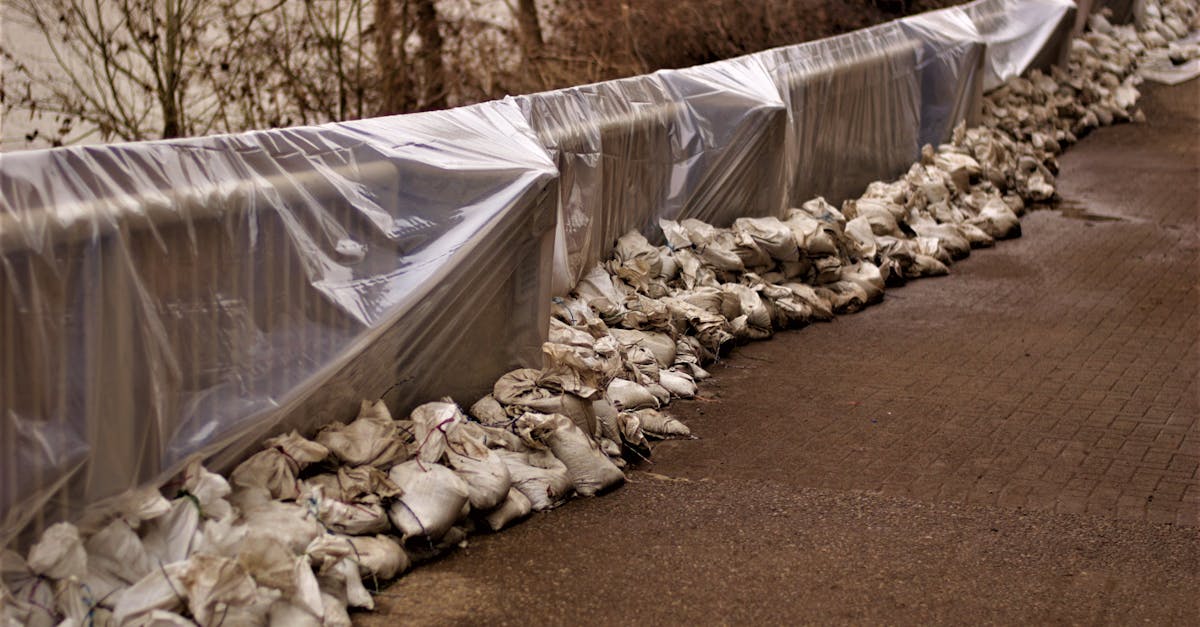
As of March 21, 2026, weather advisories indicate a significant risk of widespread flooding across Oahu due to forecasted heavy rainfall. The Oahu SPCA has reported staff and volunteers actively deploying sandbags to protect its No Kill Animal Shelter and Veterinary Facility, highlighting the immediate threat to critical infrastructure that provides essential animal care services.
This event underscores a broader vulnerability for any business operating in potentially flood-affected zones on the island. The immediate concern is the physical integrity of facilities, the safety of inhabitants (both human and animal), and the continuity of operations. For businesses reliant on physical premises, such as veterinary clinics and animal shelters, imminent flooding presents a critical risk of operational shutdown, damage to sensitive equipment, and the potential loss of life or well-being of the animals under their care.
Who's Affected
Healthcare Providers (Animal Health Verticals): Facilities like veterinary clinics, animal hospitals, and shelters are directly in the line of fire. The primary risks include:
- Facility Damage: Flooding can cause structural damage, warp floors, damage electrical systems, and contaminate treatment areas. For a veterinary facility, this means immediate cessation of services.
- Loss of Power: Floodwaters often lead to power outages, crippling essential equipment such as life support systems for critical patients, incubators, refrigeration for medications, and diagnostic tools.
- Compromised Animal Welfare: Evacuating animals during a flood is challenging and stressful. If evacuation isn't possible, the risk of drowning, hypothermia, or injury is severe.
- Service Interruption: Even without permanent damage, short-term closures due to flooding can delay critical treatments, surgeries, and routine care, impacting patient outcomes and potentially leading to revenue loss.
Small Business Operators: Any small business with a physical location in a flood-prone area faces significant disruption. This includes:
- Property Damage: Destruction of inventory, fixtures, and equipment. Restoration costs can be substantial.
- Business Interruption: Inability to operate due to damage, lack of power, or inaccessibility of the premises, leading to lost revenue.
- Supply Chain Issues: Flooding can disrupt transportation routes and impact the ability of suppliers to deliver essential goods, affecting restaurants, retail, and service businesses.
- Increased Operating Costs: Expenses related to emergency response, cleanup, repairs, and potential relocation or temporary closures.
Real Estate Owners: Property owners, developers, and landlords with commercial or residential properties in areas susceptible to flooding face direct financial and operational risks:
- Structural Damage: Foundations, walls, and lower levels can be severely compromised, leading to expensive repairs and diminished property value.
- Tenant Displacement: If properties become uninhabitable, owners face loss of rental income and the costs associated with relocating tenants or offering concessions.
- Insurance Claims: Increased frequency and severity of claims can lead to higher insurance premiums or difficulty obtaining coverage in the future.
- Development Delays: For developers, flood-related damage or ongoing risks can stall new projects and increase compliance costs associated with flood mitigation.
Second-Order Effects
Imminent flooding events on Oahu, particularly those impacting critical service providers, can trigger a cascade of negative economic consequences within the island's constrained system.
- Disruption of Veterinary Services → Reduced Animal Health & Productivity → Increased public health risks: If veterinary clinics and shelters are forced to close, routine animal care, emergency services, and disease outbreak response capabilities are diminished. This not only affects pet welfare but can also have broader implications for public health (e.g., rabies control) and the productivity of agricultural animals. The immediate strain on remaining open facilities can lead to longer wait times and increased costs for essential care.
- Property Damage & Business Interruption → Reduced Local Spending & Employment → Slower Economic Recovery: Widespread damage to small businesses and commercial properties leads to job losses as businesses scale back or close permanently. Reduced local spending further impacts supply chains and other service industries, creating a drag on the broader economic recovery. This can also lead to increased demand for limited public resources for disaster relief.
- Infrastructure Strain & Repair Costs → Higher Public & Private Expenditure → Potential Tax Increases or Service Cuts: Significant flooding can overwhelm existing drainage and wastewater systems, requiring costly repairs and upgrades. Businesses and property owners face substantial out-of-pocket expenses for repairs and flood mitigation. These combined costs may eventually necessitate increased taxes or divert public funds from other essential services, impacting the cost of living and doing business on the island.
What to Do
Given the immediate threat of heavy rainfall and flooding commencing March 22nd, all affected parties must act without delay. Proactive measures are critical to minimize damage, ensure safety, and maintain essential operational continuity.
Anyone with a physical presence in a flood-prone zone should prioritize securing their facilities and assets.
Action Details:
-
Healthcare Providers (Animal Health Verticals): Immediately implement emergency flood preparedness plans. This includes activating sandbagging operations, moving critical animals and equipment to higher ground, ensuring backup power sources are functional, and establishing communication channels with staff, volunteers, and emergency services. If facilities are located in high-risk zones, pre-arrange transport and boarding options for animals with facilities outside flood areas. Secure all medications and sensitive equipment from potential water damage. Assess any reciprocal agreements with other veterinary practices for emergency patient transfer. The Oahu SPCA's current efforts serve as an immediate model for risk mitigation.
-
Small Business Operators: By March 22nd, secure your premises: move inventory and equipment away from windows and floor levels, especially in basements or ground floors. Ensure all storm drains and gutters on your property are clear of debris to facilitate water runoff. If possible, disconnect non-essential electrical equipment. If your business relies on supplies that may be impacted by transportation disruptions, contact your suppliers to understand their contingency plans and consider pre-ordering critical items. Review your business interruption insurance policy and contact your insurance provider to understand coverage specifics for flood-related damages and losses.
-
Real Estate Owners: By March 22nd, communicate critical flood warnings and preparedness advice to all tenants. Inspect the exterior of your properties for any potential water ingress points (e.g., damaged seals, blocked drains) and address them immediately. Ensure that any sump pumps are operational and that access to utility shut-offs is clear for emergency personnel. For properties with multiple units, confirm evacuation routes and assembly points are understood and accessible. Document the condition of the property and any tenant belongings (if permissible and safe) before the event to assist with potential insurance claims.


