Oakberry Acai's Waikiki Expansion Intensifies Local Food Service Competition
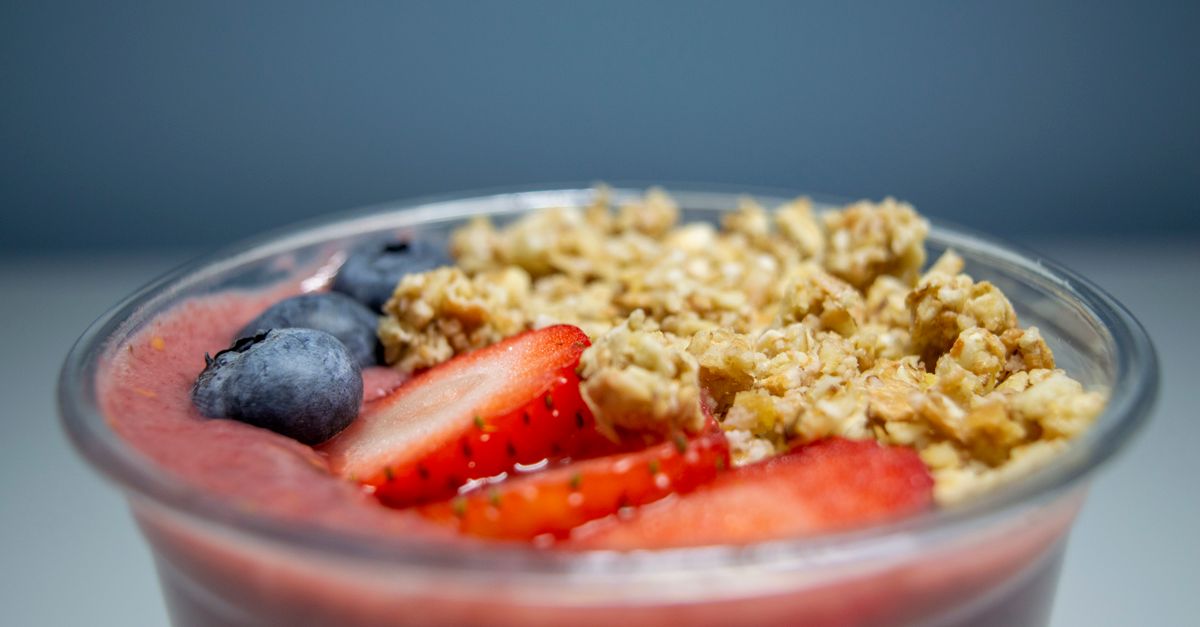
Oakberry Acai has opened its second Oahu location in Waikiki, signaling an accelerating trend of national healthy fast-casual brands entering the Hawaii market. This expansion, nearly a year after their Kapolei Commons debut, and with another Aina Haina location planned for late summer, suggests a strategic push to capture a larger share of Hawaii's growing consumer demand for convenient, health-conscious food options.
Oakberry's growth in Hawaii presents both challenges and opportunities for local businesses. Increased market penetration by established brands like Oakberry can lead to heightened competition for customer attention, requiring local operators to reassess their unique selling propositions and operational efficiencies. Furthermore, the expansion may create new demands on local supply chains for ingredients and services, potentially leading to price adjustments or new partnership opportunities.
Who's Affected
-
Small Business Operators (Restaurant Owners, Retail Shops): The addition of another significant player in the quick-service healthy food segment means increased competition for market share, especially in high-traffic areas like Waikiki. This could put pressure on existing businesses to differentiate through pricing, unique offerings, or enhanced customer experience. Suppliers of acai, fruits, and related smoothie ingredients may see increased demand, potentially leading to higher costs or the need to scale production.
-
Entrepreneurs & Startups: Oakberry's expansion highlights the viability of the healthy fast-casual market in Hawaii. For startups, this presents an opportunity to identify unmet needs or niche segments within the market that Oakberry or other large chains are not serving. Founders focusing on unique flavor profiles, local sourcing, or direct-to-consumer models might find receptive audiences. The increased activity also signals a potentially dynamic investment landscape for food-related ventures.
-
Investors: The aggressive expansion of Oakberry indicates confidence in the Hawaiian market for this sector. Investors looking at the food and beverage industry in Hawaii should closely watch trends in consumer preferences, the success of various franchise models, and the impact of increasing competition on the profitability of both established and emerging players. Real estate investors may see opportunities in commercial spaces suitable for similar food concepts, particularly in high-visibility retail locations.
-
Tourism Operators (Hotels, Tour Companies): The availability of diverse and convenient food options, such as those offered by Oakberry, can enhance the overall visitor experience. Hotels and tour operators can potentially leverage these new establishments to offer more appealing package deals or provide recommendations that cater to a wide range of dietary preferences, thereby increasing overall visitor satisfaction and spending.
Second-Order Effects
Oakberry's expansion into lucrative areas like Waikiki and planned entries into other neighborhoods will increase demand for high-quality acai and fresh produce. This could strain local suppliers if current capacity is limited, potentially driving up ingredient costs. Higher operating costs for food businesses due to increased competition and potentially rising supplier prices can translate into slower wage growth for service staff or necessitate price increases for consumers, affecting the overall cost of living for residents and the perceived value for tourists. The success of chains like Oakberry may also influence demand for commercial retail spaces, potentially impacting rental rates in prime locations.
What to Do
For Small Business Operators (Restaurant Owners, Retailers):
- Monitor Competitor Pricing and Offerings: Track Oakberry's price points, promotions, and menu innovations in Waikiki and Aina Haina over the next 90 days. Assess how your current offerings compare and identify any gaps.
- Evaluate Supplier Relationships: Engage with your current suppliers to understand their capacity and pricing stability. Explore alternative suppliers to ensure competitive sourcing and mitigate potential price hikes or supply disruptions.
For Entrepreneurs & Startups:
- Identify Niche Opportunities: Analyze the market to pinpoint underserved segments within the healthy food and beverage sector. Consider focusing on highly localized ingredients, unique culinary fusion, or sustainable practices that differentiate you from larger chains.
- Develop a Scalable Business Model: If your concept shows promise, begin developing a plan for scaling operations, potentially looking at distribution partnerships or franchise models, informed by the expansion patterns of competitors like Oakberry.
For Investors:
- Watch Market Share Shifts: Monitor revenue growth and market share trends for Oakberry and other healthy fast-casual chains in Hawaii. Pay attention to which concepts are gaining traction and the profitability metrics of these businesses.
- Assess Real Estate Demand: Observe the demand for commercial retail spaces in areas experiencing significant food establishment growth. This can inform decisions about investment in retail properties or areas ripe for development.
For Tourism Operators:
- Incorporate New Dining Options: Update hotel and tour recommendation lists and packages to include Oakberry and other new, popular dining spots. Highlight the convenience and variety these establishments offer to enhance guest itineraries.
- Explore Partnership Potential: Investigate potential collaborations with new food establishments for exclusive offers or curated dining experiences for your guests. Such partnerships can add value to tourism packages and drive foot traffic to local eateries.