


Ongoing Storm Recovery Efforts Signal Potential for Business Disruptions and Aid Opportunities on Oahu
Executive Brief
Continued city and county assistance efforts in storm-impacted communities on Oahu following the recent Kona low storms suggest localized business disruptions may persist, while also presenting opportunities to access recovery resources. Businesses are advised to monitor official communications for support programs and be prepared for potential operational challenges in affected areas over the coming weeks.
- Small Business Operators: Monitor for aid programs and be aware of potential supply chain or access disruptions in specific zones.
- Real Estate Owners: Assess property damage and track any rebuilding or repair assistance programs.
- Tourism Operators: Be prepared for potential traveler advisories or disruptions in accessing certain areas; monitor visitor sentiment and potential for localized cancellations or shifts in demand.
- Agriculture & Food Producers: Assess potential damage to crops and infrastructure and monitor for any agricultural aid programs.
- Action: Monitor official county announcements for recovery support and assess operational impacts in affected zones.
The Change
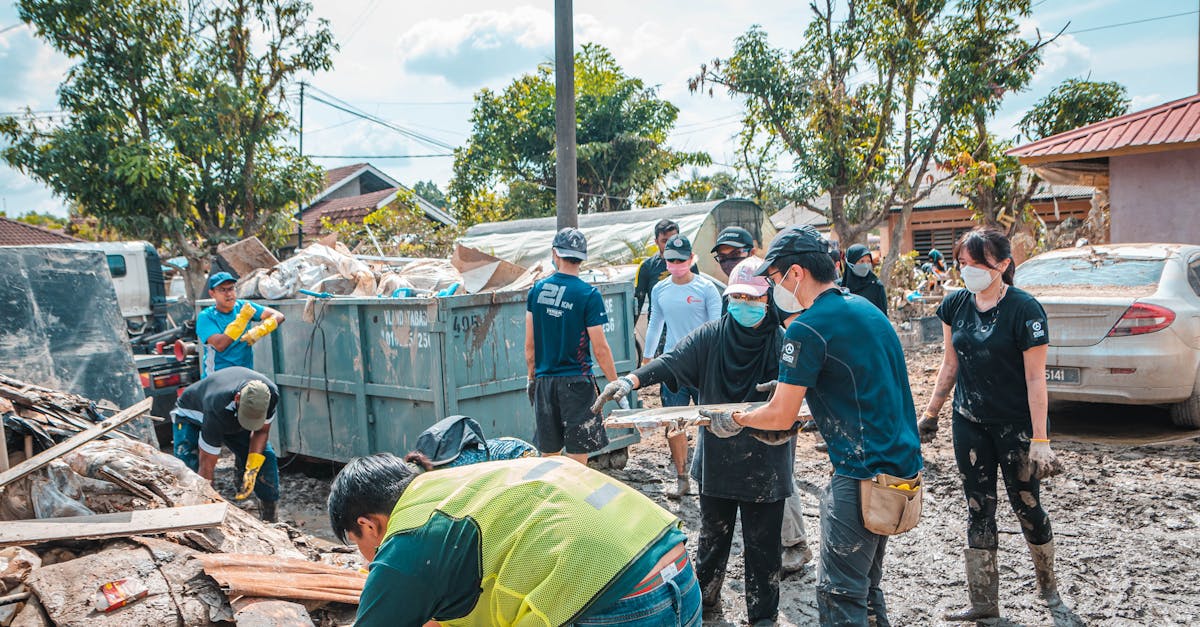
The City and County of Honolulu has committed to extending support through the weekend and beyond for communities impacted by recent Kona low storms. This ongoing assistance signifies that recovery operations are active and that some areas may still be experiencing or emerging from significant disruptions. While the immediate, acute phase of the disaster may have subsided, the emphasis on continued support highlights that the effects—ranging from infrastructure issues to localized resource shortages—are still being managed and addressed.
Who's Affected
Small Business Operators
Businesses operating in or serving storm-affected areas may face continued challenges. This includes potential disruptions to supply chains, temporary access issues for customers and employees, and a need to coordinate with city recovery efforts. Operators should look for specific announcements regarding business support, grants, or low-interest loans that may become available. The city's continued presence indicates that immediate needs like debris removal and utility restoration are ongoing, which can indirectly impact foot traffic and operational continuity.
Real Estate Owners
Property owners in affected zones are advised to conduct thorough damage assessments. While the initial disaster response focuses on immediate safety, ongoing recovery efforts may include provisions for repair and rebuilding assistance. Landlords should communicate with tenants regarding property condition and any available support. Developers considering new projects in these areas should factor in potential permit delays or increased scrutiny related to resilience during the recovery phase.
Tourism Operators
While major tourist hubs may not be directly impacted, localized disruptions could affect tourist experiences. Operators should monitor advisories from the Hawaii Tourism Authority and the City and County of Honolulu regarding accessibility and safety in specific neighborhoods. There's a potential for altered visitor flow if certain attractions or areas are temporarily inaccessible or if local residents face challenges reaching service points. Recovery efforts might also indirectly affect the availability of local services that tourists rely on.
Agriculture & Food Producers
Farms and food production facilities, particularly those in low-lying or coastal areas, may have sustained damage to crops, irrigation systems, or processing facilities. The city's continued recovery focus suggests that infrastructure supporting agricultural transport or access could still be compromised in certain locales. Producers should be vigilant for any emergency agricultural assistance programs announced by the Hawaii Department of Agriculture or federal agencies.
Second-Order Effects
Ongoing recovery efforts in specific Oahu communities could lead to a reallocation of municipal resources, potentially impacting routine services or permit processing times in less affected areas. For instance, a sustained focus on storm recovery might temporarily slow down standard infrastructure upgrades or new development permit reviews. This could lead to increased wait times for businesses needing to permit renovations or new constructions, ultimately affecting their opening timelines and initial operating costs.
- Extended recovery focus by City & County → potential delays in non-emergency permit processing → slower build-out timelines for new small businesses.
- Localized damage and recovery needs → temporary strain on local logistics and supply chains → increased costs for goods and services for businesses in affected zones.
- Disruption to agricultural lands or infrastructure → reduced local food supply → upward pressure on food prices for consumers and restaurants.
What to Do
Small Business Operators
WATCH: Monitor official City and County of Honolulu channels, including their emergency management agency's announcements and relevant department websites, for updates on recovery resources. Specifically, look for information regarding business continuity grants, low-interest disaster loans, or waivers of certain fees that may be applicable to businesses in affected zones. Identify any specific operational impacts on your business, such as transportation routes for employees or deliveries, and develop contingency plans.
Real Estate Owners
WATCH: Document all property damage meticulously with photographs and detailed descriptions for insurance claims and potential aid applications. Stay informed about any designated recovery centers or outreach programs established by the city that might offer guidance or resources for property repair and rebuilding. For landlords, maintain open communication with tenants regarding the property's condition and any landlord-provided assistance or required actions.
Tourism Operators
WATCH: Keep abreast of any travel advisories or public safety announcements pertinent to areas that might be less accessible or still undergoing recovery. Monitor sentiment and booking patterns for any shifts that might be attributable to storm impacts, even if indirect. Be prepared to adjust service offerings or itineraries if certain routes or attractions are temporarily unavailable. Ensure your guest communication protocols are robust to address potential traveler concerns.
Agriculture & Food Producers
WATCH: Assess agricultural operations for any storm-related damage to crops, equipment, or infrastructure. Seek information from the Hawaii Department of Agriculture and the USDA regarding potential disaster assistance programs, including emergency loans or crop loss compensation. Document any damages incurred for insurance and potential aid claims.
Action Details
Businesses should actively monitor City and County of Honolulu official announcements for specific recovery support programs and updates on potentially impacted infrastructure. If official channels announce the availability of business recovery grants or disaster loans, small business operators and agricultural producers should be prepared to gather necessary documentation for application, as these programs often have tight deadlines for submission. For real estate owners, watching for the establishment of designated rebuilding assistance centers would be a key trigger to seek detailed guidance on repair and permitting processes.


