


Pathogen Risks Persist Post-Kona Storms: Ongoing Precautions Essential for Business Operations
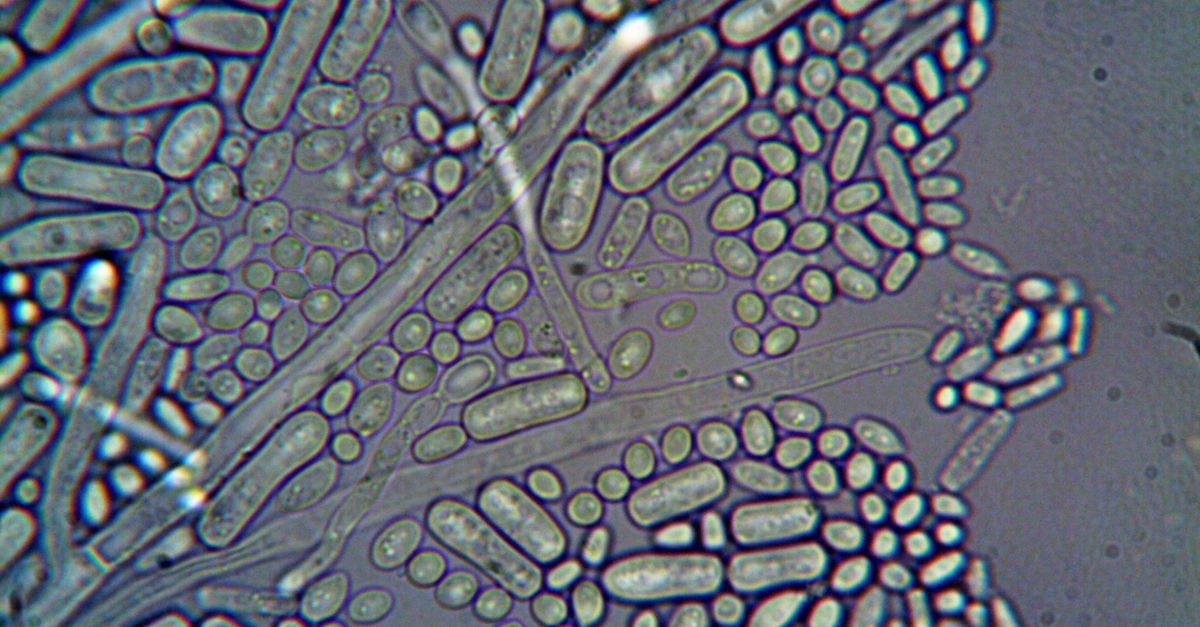
Precautionary environmental monitoring following the recent Kona Low Storms has confirmed the presence of expected pathogens in flood-carried mud, sediment, and nearshore waters. While these results also indicate that recommended precautions significantly reduce potential risk, ongoing vigilance is required for businesses and their employees operating in or near affected recovery zones.
The Change
Environmental monitoring data, released on April 5, 2026, has validated concerns about pathogen presence in areas impacted by significant rainfall and flooding from the Kona Low storms. These findings underscore the continued necessity of adhering to public health advisories related to water contact and soil exposure in affected regions. The confirmation serves not as a new threat, but as a critical reminder that existing precautions are still vital to safeguard public health and business continuity.
Who's Affected
Small Business Operators (Restaurants, Retail, Services)
Businesses in or near storm-affected areas face continued operational risks. Employees working in cleanup or directly interacting with patrons who may have been exposed are at higher risk of illness. Supply chains that rely on transport through or near these areas may also experience delays or contamination concerns. Failure to enforce safety protocols for staff on-site could lead to decreased productivity, increased absenteeism, and potential liability.
Real Estate Owners
Property owners, landlords, and property managers in affected neighborhoods must ensure common areas and any vacant units are properly assessed and, if necessary, remediated before re-occupancy or lease. Continued exposure risks could impact property values and tenant retention if remediation is not adequately communicated and executed. Development projects in impacted zones may face extended timelines and increased costs due to the need for thorough environmental assessments and potential soil remediation before construction can commence.
Tourism Operators
Hotels, tour companies, and vacation rental businesses must continue to inform guests about potential risks and necessary precautions. Public access to beaches, trails, and certain water bodies may remain restricted or require heightened awareness. Failure to communicate and enforce safety measures could lead to guest illness, negative reviews, and reputational damage. Demonstrating a commitment to guest safety through clear communication and enhanced cleaning protocols will be crucial for maintaining visitor confidence.
Agriculture & Food Producers
Farmers and food producers in affected regions must exercise extreme caution regarding irrigation water sources and land use. Runoff carrying sediment and potential pathogens can contaminate crops and livestock. Adherence to strict guidelines for water testing and land application of any potentially contaminated materials is essential to prevent foodborne illnesses and protect agricultural output. This also impacts any aquaculture operations relying on nearshore waters.
Healthcare Providers
Clinics, hospitals, and private practices should anticipate a potential increase in patients presenting with gastrointestinal illnesses, skin infections, or respiratory issues linked to exposure to contaminated water and soil. Healthcare providers need to be prepared for diagnostic testing, treatment, and public health education related to storm-related pathogen risks. Telehealth services may see increased demand for consultations related to these conditions.
Second-Order Effects
Continued pathogen risks in recovery zones can lead to increased demand for specialized cleanup services, straining local resources and potentially increasing costs for businesses undertaking post-storm remediation. This demand could divert labor from other sectors, impacting overall business operations and staffing levels. Furthermore, prolonged concerns about environmental safety can deter tourism in affected areas, leading to reduced visitor spending impacting the broader economy and potentially delaying the recovery of businesses reliant on tourist foot traffic.
What to Do
Small Business Operators
Action: Implement or reinforce mandatory safety protocols for all employees engaging in cleanup, site-specific operations, or customer-facing roles in or near storm-impacted areas. This includes providing and ensuring the use of appropriate personal protective equipment (PPE) such as gloves and masks, promoting frequent handwashing, and ensuring thorough cleaning of workspaces. Update customer-facing signage regarding any advisories for affected zones. Regularly review and update business continuity plans to account for potential staff illness or temporary operational halts due to contamination.
Real Estate Owners
Action: Property managers should conduct thorough inspections of common areas, drainage systems, and any accessible flood-impacted zones within their properties. Engage certified environmental testing services for any areas with significant sediment or water accumulation. Communicate inspection and remediation findings transparently with tenants. For landlords, ensure lease agreements include clauses addressing environmental hazards and tenant responsibilities during recovery periods.
Tourism Operators
Action: Update guest information materials (websites, check-in information, in-room guides) to clearly outline current environmental advisories for affected areas, including safe beach access, water contact advisories, and recommended precautions. Train front-line staff to effectively communicate these advisories to guests. Enhance cleaning protocols for high-touch surfaces and guest accommodations, emphasizing areas near storm-impacted zones. Consider offering complimentary hand sanitizer and disinfectant wipes for guest use.
Agriculture & Food Producers
Action: Verify the safety of irrigation water sources; consider secondary testing if runoff has potentially impacted primary sources. Implement enhanced field sanitation practices and ensure workers use appropriate PPE when handling soil or produce in potentially contaminated areas. Review harvest and post-harvest handling procedures to minimize any residual contamination risk. Consult with the Department of Agriculture or relevant agricultural extension services for the latest localized guidance. Hawaii Department of Health - Environmental Health Administration
Healthcare Providers
Action: Ensure diagnostic and treatment protocols are updated to address potential pathogen exposures common after major storm events (e.g., Leptospirosis, E. coli, norovirus). Stock necessary testing kits and medications. Disseminate public health information through your channels (website, social media, patient portals) regarding symptoms and when to seek medical attention. Coordinate with local public health departments for any emerging clusters or outbreak reporting.
Additional Resource: Hawaii Emergency Management Agency


