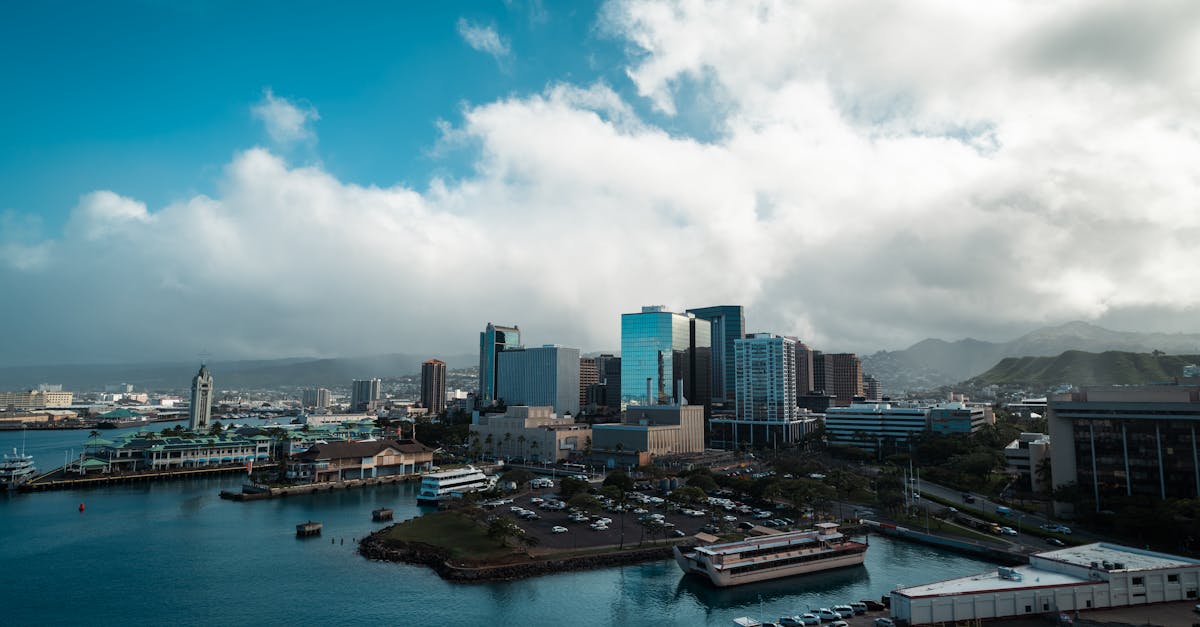
Persistent Kona Lows Increase Supply Chain Risk for Hawaii Businesses
Hawaii businesses face heightened operational risks due to a second Kona low storm system impacting the islands, compounding existing weather-related disruptions. This persistent pattern triggers concerns for supply chain reliability, logistical challenges, potential impacts on employee availability, and overall business continuity. With the islands still recovering from the initial storm, this second event intensifies the strain on critical infrastructure and services.
WHO'S AFFECTED
This ongoing weather event has direct implications for several key business sectors in Hawaii:
- Small Business Operators (small-operator): Expect extended delays in receiving inventory, potentially leading to stockouts and lost sales, particularly for imported goods and specialized supplies. Increased operational costs may arise from power outages, generator use, and potential overtime for staff who can reach work. For food service, sourcing fresh ingredients could become more challenging and costly.
- Tourism Operators (tourism-operator): Flights may experience further cancellations or delays, impacting both inbound visitor arrivals and inter-island travel. Hotels and other accommodations could see a rise in cancellations or guest requests for extended stays, straining resources. The ability of staff to commute to work could also be compromised, affecting service delivery.
- Agriculture & Food Producers (agriculture): Heavy rainfall can lead to crop damage, flooding of fields, and potential loss of livestock. Extended transport delays, both for inbound agricultural inputs (fertilizers, feed) and outbound product shipments, could result in spoilage and significant financial losses. Access to orchards and farms may be impeded by flooded roads.
- Real Estate Owners (real-estate): Property owners may face increased risks of localized flooding, minor structural damage, and downed trees, requiring immediate assessment and potential repairs. Property managers will need to coordinate closely with tenants to address immediate concerns and assess longer-term impacts on property condition and habitability.
SECOND-ORDER EFFECTS
This spell of severe weather acts as a potent stressor on Hawaii's inherently constrained economy. The continued disruption to shipping and air cargo, exacerbated by the second Kona low, will likely ripple through several sectors:
- Logistical Delays → Increased Import Costs → Higher Retail Prices: Extended port congestion and reduced flight capacity mean longer transit times for goods. This directly translates to higher shipping fees and increased inventory holding costs for businesses. These elevated costs will inevitably be passed on to consumers, further increasing the cost of living and potentially dampening consumer spending. This could also impact the competitiveness of local businesses against online retailers that may have more resilient supply chains.
- Interruption of Agricultural Transport → Food Shortages → Increased Reliance on Imports: If local food producers cannot get their goods to market due to road closures or shipping delays, it exacerbates existing reliance on imported food. This can lead to temporary localized shortages or price spikes for fresh produce and other agricultural products, further straining household budgets and impacting the food security of the islands.
WHAT TO DO
Given the ongoing weather impacts and the potential for sustained disruptions, the following actions are recommended:
- Small Business Operators & Tourism Operators: Watch transit times and communication from your primary logistics providers (e.g., Pasha Hawaii, Matson, Hawaiian Airlines Cargo). Monitor local news and government advisories for updates on road closures and inter-island travel advisories. Prioritize communication with staff regarding work status and safety. Consider increasing buffer stock for essential operating supplies where feasible and cost-effective.
- Agriculture & Food Producers: Watch weather radar and advisories from the National Weather Service Honolulu, and assess crop vulnerability to heavy rainfall and flooding. Document any crop damage systematically for potential insurance claims. Communicate proactively with buyers and distributors regarding potential delays or shortfalls in supply to manage expectations.
- Real Estate Owners & Property Managers: Watch local reports for areas experiencing significant flooding or wind damage. Conduct visual property inspections as soon as safely possible after storm passage, focusing on drainage systems, roofs, and any potential exterior damage. Communicate with tenants regarding any safety concerns or immediate repair needs.
Action Details
Monitor shipping schedules and capacity reports from major inter-island carriers like Hawaiian Airlines and Matson. If delays extend beyond 7 days for essential goods, or if fuel surcharges increase by more than 10%, begin evaluating alternative sourcing options or temporary price adjustments for slow-moving inventory. Additionally, regularly check the Hawaii Emergency Management Agency (HI-EMA) for official advisories which may trigger specific emergency preparedness actions such as staff work-from-home mandates or temporary business closures.