Persistent Weather Outages Signal Growing Need for Business Continuity Upgrades, Not Immediate Action
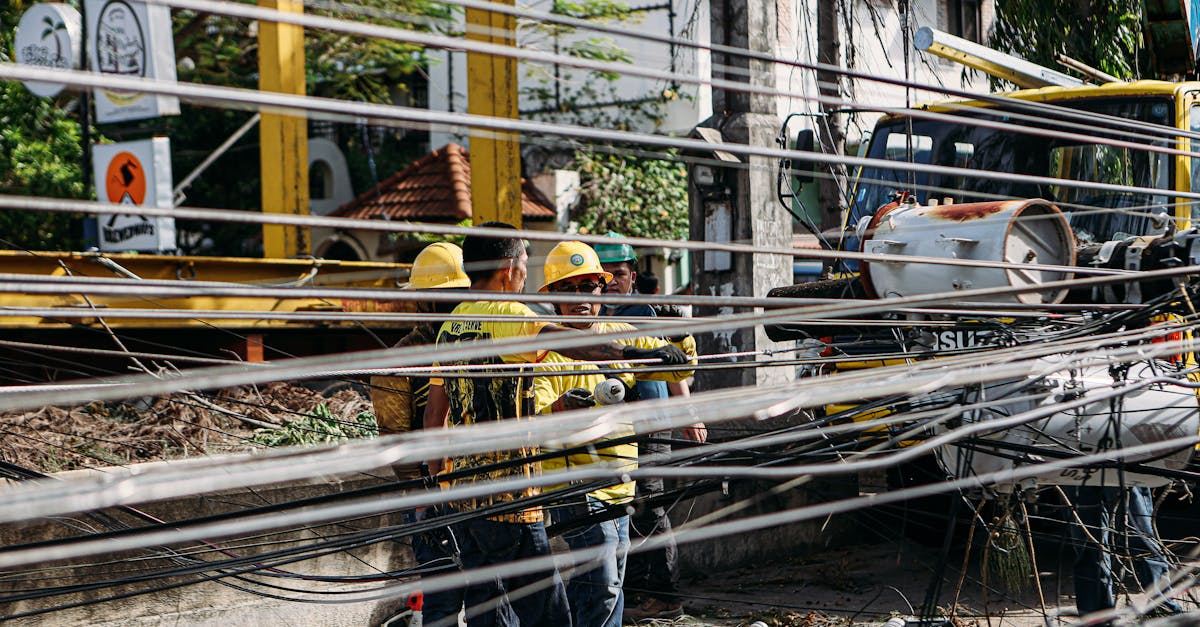
While Hawaiian Electric has ended its Public Safety Power Shutoff watch, the residual and ongoing weather-related power outages on Oʻahu and Maui underscore a persistent vulnerability in grid reliability. Approximately 300 customers on Oʻahu and 2,000 on Maui remain without power as of February 3rd, with crews addressing pocket outages across the islands. This situation, while no longer an immediate public safety threat, serves as a critical reminder for businesses to reassess their preparedness for prolonged disruptions, which may become more frequent given evolving weather patterns.
The Change
Hawaiian Electric has transitioned from a Public Safety Power Shutoff (PSPS) watch to actively restoring power following weather-related incidents. This indicates that immediate, large-scale preventive shutoffs are no longer deemed necessary for the current conditions. However, the persistence of localized and island-wide outages in the wake of weather events highlights the ongoing challenges faced by the grid in maintaining consistent power delivery, particularly during and after significant weather phenomena. The restoration efforts are ongoing, with crews working to address remaining outages.
Who's Affected
-
Small Business Operators (small-operator):
- Impact: Even short-term power outages can lead to lost revenue, spoiled inventory (especially for food service), and disruptions to critical operations. The need to invest in backup power (generators, UPS) or more robust contingency plans becomes evident.
- Concerns: Operating costs, staff management during outages, perishable inventory management.
-
Tourism Operators (tourism-operator):
- Impact: Guest experience can be severely impacted by power outages, affecting HVAC, lighting, F&B, and essential services. Communication with guests about status and alternative arrangements becomes crucial, as does maintaining critical systems like check-in/check-out and Wi-Fi.
- Concerns: Guest satisfaction, operational continuity, reputational damage.
-
Healthcare Providers (healthcare):
- Impact: Power outages pose significant risks to patient care, critical medical equipment, and data systems. The capacity for uninterrupted operation for life-sustaining equipment and patient records is paramount.
- Concerns: Patient safety, regulatory compliance (HIPAA, licensing), continuity of care, telehealth service reliability.
-
Agriculture & Food Producers (agriculture):
- Impact: Power is essential for irrigation, cold storage, processing, and climate control in greenhouses. Extended outages can lead to crop loss, spoilage of harvested goods, and disruption of supply chains.
- Concerns: Crop viability, spoilage, processing capacity, supply chain integrity.
-
Real Estate Owners (real-estate):
- Impact: Property managers and owners may face increased demand for reliable backup power solutions in leased spaces, or need to secure them for common areas. This could influence tenant negotiations and property maintenance budgets.
- Concerns: Tenant retention, property value, operational costs for common areas.
-
Entrepreneurs & Startups (entrepreneur):
- Impact: For tech-focused startups or those reliant on continuous online operations, power outages can halt development, disrupt client services, and lead to data loss if not adequately backed up. Scalability considerations must include robust infrastructure resilience.
- Concerns: Operational continuity, data integrity, service level agreements (SLAs), scaling infrastructure.
Second-Order Effects
Persistent weather-related power disruptions can cascade through Hawaii's unique island economy. Inconsistent grid reliability increases the operational cost burden for businesses that invest in backup power solutions. This added expense, particularly for small businesses with already tight margins, can lead to increased prices for goods and services, further impacting the cost of living for residents and potentially affecting tourism competitiveness. Furthermore, the need for businesses to dedicate resources to disaster preparedness diverts capital that could otherwise be used for expansion, innovation, or employee development. This can subtly slow overall economic growth and increase the risk profile for new ventures in the state.
What to Do
Given the ongoing nature of weather-related outages and the potential for increased frequency due to climate shifts, a sustained review of business continuity and disaster preparedness is recommended. This is not a call for immediate, reactive measures based solely on this report, but rather a prompt to incorporate this evolving threat landscape into strategic planning.
For Small Business Operators: Assess the necessity and feasibility of backup generators or enhanced uninterruptible power supply (UPS) systems for critical equipment. Review and update communication plans for staff and customers during an outage. Stockpile essential supplies like emergency lighting and batteries. [
- Watch: Hawaiian Electric's outage maps and restoration timelines following significant weather events.
- Trigger: If average restoration times for weather-related outages exceed 24 hours more than twice in a 12-month period, evaluate a phased investment in backup power solutions. ].
For Tourism Operators: Evaluate current guest communication protocols during power disruptions. Ensure that critical services like guest Wi-Fi, check-in systems, and emergency lighting are resilient. Consider partnerships for temporary power solutions if your primary systems are insufficient.
- Watch: Guest feedback and online reviews mentioning outage impacts.
- Trigger: If more than 10% of customer feedback in a quarter mentions dissatisfaction with outage response, prioritize upgrading backup power for guest-facing services.
For Healthcare Providers: Conduct a thorough audit of all critical medical equipment to ensure adequate backup power sources are in place and have been recently tested. Verify that patient data backup and recovery systems are robust and accessible during power loss. Review telehealth infrastructure for resilience against local grid failures.
- Watch: Utility reports on outage duration and frequency in your service area.
- Trigger: If your facility experiences two or more outages lasting longer than 4 hours in a year and critical patient care was impacted, implement a plan to upgrade backup power capacity for all essential medical devices within 18 months.
For Entrepreneurs & Startups: Ensure cloud-based services are utilized with robust data backup and failover mechanisms. For hardware-dependent startups, assess UPS capabilities for development machines and critical servers. Confirm remote work policies account for potential home internet or power instability.
- Watch: Your reliance on physical infrastructure versus cloud services and your current data backup frequency.
- Trigger: If critical system downtime due to power outages exceeds 2 hours within a 6-month period, invest in enhanced cloud redundancy or on-site UPS systems.
For Agriculture & Food Producers: Evaluate cold storage and processing equipment resilience. Ensure irrigation systems have backup power or alternative water sources factored into contingency plans. Secure enough fuel for backup generators if applicable.
- Watch: Reports on grid stability and projected weather patterns.
- Trigger: If a significant crop or inventory loss occurs due to a power outage, reassess and potentially expand backup power capacity or storage solutions.
For Real Estate Owners: Review common area power backup systems, such as for elevators, lighting, and security. Understand tenant needs for backup power and incorporate these considerations into new lease agreements or lease renewals. Factor potential costs for generator maintenance or upgrades into long-term property budgets.
- Watch: Tenant inquiries or complaints related to power stability and common area functionality.
- Trigger: If multiple tenants express concerns about insufficient backup power in their leased spaces, consider offering advisory services or evaluating the feasibility of providing common backup solutions for critical tenant needs.


