The Change
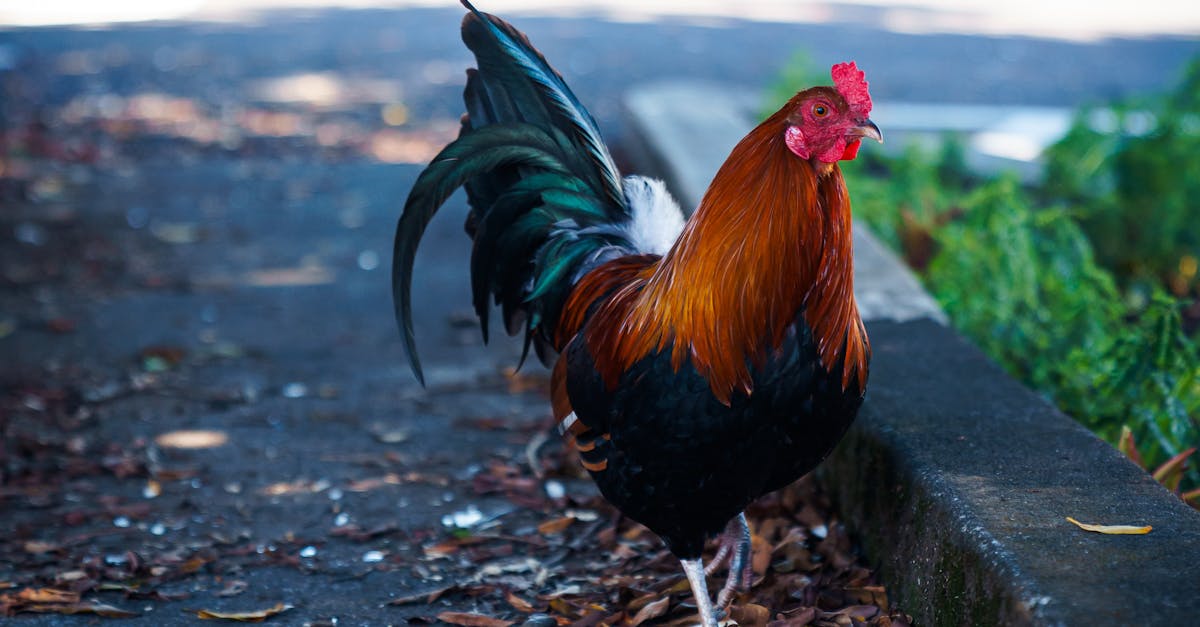
Hawaii lawmakers are considering new legislative bills that could permit residents to kill feral chickens within their communities. This initiative aims to address a long-standing issue that has divided residents regarding the management of these non-native birds. While the specific details and their effective dates are contingent on the legislative process, the mere consideration of such bills signals a potential shift in how these populations are managed, moving from less direct methods to more direct, resident-led intervention. The current regulations and the specifics of any new laws will determine the scope and legality of resident-led culling efforts.
Who's Affected
Small Business Operators
Businesses, particularly those in food service (restaurants, cafes) and retail, as well as other service-oriented establishments, may experience relief from nuisance issues such as noise, droppings, and perceived unsightliness if feral chicken populations are reduced. However, depending on the method of control and any associated permitting or cleanup requirements, there could be indirect costs or labor considerations. For instance, if culling leads to increased waste or requires specific disposal protocols, these could translate into minor operational cost increases.
Real Estate Owners
Property owners, landlords, and property managers may see reduced costs associated with property maintenance and pest control if new regulations effectively diminish feral chicken populations. Nuisance complaints from tenants or neighbors due to noise, property damage (e.g., scratching in gardens), or unsanitary conditions could decrease. Developers might also face fewer initial aesthetic or nuisance-related objections during the permitting process for new projects in areas currently affected by large chicken populations. Conversely, poorly managed culling efforts could lead to new sanitation or disposal challenges.
Agriculture & Food Producers
Farmers and food producers, especially those with outdoor operations or crops vulnerable to bird foraging, could benefit from reduced competition or damage to fledgling crops and livestock feed. While wild chickens are not typically a primary agricultural pest, their presence can contribute to the overall wildlife nuisance landscape. If these bills lead to a significant reduction in chicken numbers, it could indirectly improve conditions for certain types of agriculture, particularly small-scale or organic operations that are more susceptible to wildlife disturbance.
Second-Order Effects
- Increased Property Values: Reduced nuisance animal populations can contribute to more desirable living and operating environments, potentially leading to marginal increases in property values in formerly affected areas.
- Shift in Pest Control Budgets: Businesses and property owners may reallocate funds from nuisance animal deterrence to other operational or maintenance needs if the feral chicken issue diminishes.
- Community Cohesion/Division: While intended to resolve disputes, varying opinions on wildlife management could lead to new forms of community friction if implementation is contentious or perceived as inequitable.
What to Do
Action Level: WATCH
This is a developing legislative issue. No immediate action is required for most small business operators, real estate owners, or agriculture producers. However, it is crucial to monitor the progress of these bills through the legislative process and to pay attention to any subsequent local ordinances or implementation guidelines that may arise.
Action Details:
Monitor the progress of proposed feral chicken management bills in the Hawaii State Legislature. Pay attention to committee hearing outcomes and final bill text. If legislation passes and allows for resident culling, research specific local county ordinances for effective dates, permitted methods, and any associated disposal or notification requirements. For businesses and property owners in directly affected areas, be prepared to adapt pest management strategies and consider any new maintenance or sanitation protocols that may become relevant.


