


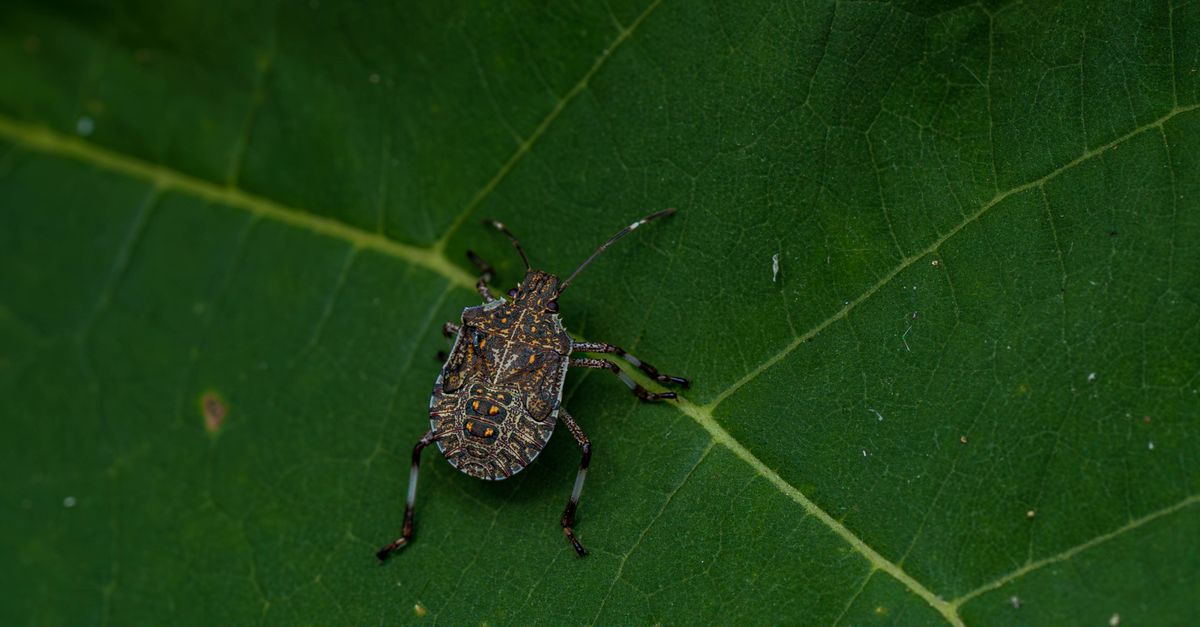
Enhanced Invasive Species Control Efforts on the Horizon
The US House Natural Resources Committee has unanimously approved H.R. 7480, a bill that proposes to authorize $10 million annually for the creation and deployment of specialized "invasive species strike teams." This legislative move signals a potential increase in federal resources dedicated to combating invasive species that threaten native ecosystems and agricultural productivity. The bill's progression suggests a growing recognition of the significant ecological and economic damage that invasive species can inflict. Should this legislation pass both chambers of Congress and be signed into law, it would establish a dedicated funding stream to bolster control and eradication efforts across affected regions, including Hawaii.
Who's Affected
Agriculture & Food Producers (Farmers, Ranchers, Food Producers, Aquaculture Operators)
For Hawaii's agricultural sector, the passage of this bill could represent a significant development. Invasive species, such as fruit flies, coqui frogs, and various plant pathogens, pose a constant threat to crop yields, livestock health, and the viability of aquaculture operations. Increased funding for strike teams could lead to more aggressive and effective control measures, potentially reducing the pressure of these invasive pests. This could translate into more stable production, reduced crop losses, and a more secure food supply chain. However, it also means that land and water resource allocation might shift to prioritize invasive species management, potentially affecting existing agricultural practices or expansion plans. Farmers and ranchers who have historically managed invasive species on their own land may see a shift towards more centralized, federally-supported initiatives.
Entrepreneurs & Startups (Startup Founders, Growth-Stage Companies, Tech Entrepreneurs)
The focus on invasive species control presents a nascent but growing market opportunity for entrepreneurs and startups. Companies developing innovative solutions for early detection, monitoring, and eradication of invasive species could find increased demand for their technologies. This includes advancements in drone surveillance, AI-powered species identification, sensor networks for environmental monitoring, and novel bio-control agents or precision application technologies. Startups in the agricultural technology (AgTech) and environmental technology (EnviroTech) sectors may find this a fertile ground for securing grants, venture capital, or government contracts. The proposed funding could act as a catalyst for research and development in this specialized area, encouraging innovation in areas such as data analytics for ecological tracking and predictive modeling of invasive species spread.
Second-Order Effects
The potential for increased federal funding for invasive species control could have several ripple effects through Hawaii's constrained economy.
- Increased funding for invasive species control → Enhanced ecosystem protection and agricultural resilience → Greater stability in local food production and reduced input costs for farmers → Potential for increased land and water resource competition between conservation and agriculture
- Focus on invasive species control → Demand for specialized monitoring and eradication technologies → Growth opportunities for AgTech and EnviroTech startups → Potential for new venture capital investment in environmental solutions
What to Do
Agriculture & Food Producers
Given the "Watch" action level, the immediate recommendation is to monitor the legislative progress of H.R. 7480. Keep abreast of any developments in Congress regarding its passage. Simultaneously, begin assessing how increased invasive species control efforts might impact your current operations. This could involve evaluating existing pest management strategies, understanding potential shifts in land or water use policies, and exploring how enhanced control measures could affect your operational costs or yields. Engage with local agricultural organizations and government agencies to stay informed about any potential programmatic changes.
Entrepreneurs & Startups
For those in the AgTech and EnviroTech sectors, this represents an opportunity to research and develop solutions tailored to invasive species management. Begin identifying the most pressing needs in invasive species detection, monitoring, and control within Hawaii and similar island ecosystems. Explore potential partnerships with research institutions, government agencies involved in conservation and agriculture, and existing land managers. Prepare to articulate the unique value proposition of your technology or service in the context of enhanced federal funding for such initiatives. Network with potential investors and government bodies that focus on environmental solutions and agricultural innovation.


