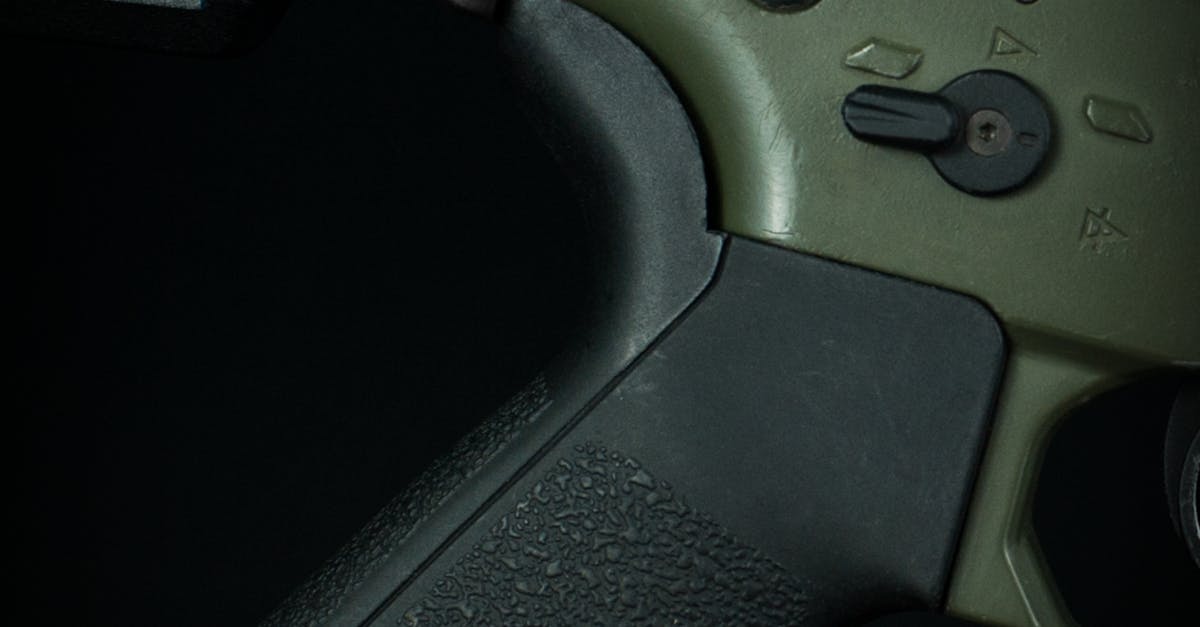
Potential SCOTUS Ruling May Loosen Firearm Restrictions: Implications for Hawaii Businesses
The U.S. Supreme Court appears poised to interpret the Second Amendment in a manner that favors broader firearm access, a departure from the historically strict gun control landscape in Hawaii. While no definitive ruling has been issued, current judicial leanings suggest federal standards for gun ownership and carrying may become less restrictive. This potential shift could preempt or influence Hawaii's current stringent state laws, which have long aimed to limit firearm availability.
Who's Affected
Small Business Operators
Businesses operating in Hawaii, particularly those in retail, hospitality, and service industries that handle cash or serve the public, face potential changes in the security environment. While Hawaii's laws may remain stricter than many mainland states, any federal loosening could alter the baseline risk assessment. Operators may need to re-evaluate existing security protocols, employee safety training, and potentially their insurance policies within the next 6-18 months, depending on the scope of a ruling and subsequent legal challenges or legislative actions.
Tourism Operators
For hotels, tour companies, and rental businesses, the perception of safety is paramount. A federal shift toward less restrictive gun laws, even if not immediately mirrored in Hawaii, could subtly influence visitor perceptions of safety. While Hawaii's strict local regulations are likely to remain a significant factor, operators should be prepared to address potential customer concerns or adapt their safety messaging. This is particularly relevant for businesses operating in more isolated tourist areas.
Real Estate Owners
Property owners and developers, especially those managing commercial properties or high-traffic areas, may see indirect impacts. Changes in firearm accessibility could influence the perceived security of commercial districts, potentially affecting tenant desirability or insurance premiums over the long term (1-3 years). While direct zoning or permit changes are unlikely solely based on this SCOTUS trend, the broader security landscape is a factor for commercial real estate investment and management.
Second-Order Effects
A loosening of federal firearm restrictions, even if Hawaii maintains stricter state laws, could potentially lead to an increased perception of risk across the islands. This increased risk perception among the general public and visitors could, in turn, pressure businesses, particularly those in the tourism sector, to implement enhanced security measures. Such measures, including additional personnel or technology, would increase operating costs for businesses. These higher costs could then be passed on to consumers through higher prices, potentially impacting demand for tourism services and affecting the competitiveness of Hawaii as a destination.
What to Do
As the U.S. Supreme Court discussions evolve toward potentially less restrictive federal gun laws, Hawaii's business community should adopt a vigilant stance rather than immediate action. The precise impact will depend heavily on the final ruling's scope and how it interacts with Hawaii's existing legislative framework. Legal challenges and potential state-level legislative responses could create a complex and evolving regulatory environment over the next 12-24 months.
Action Details:
-
Small Business Operators: Monitor federal court decisions regarding firearm regulations. Be prepared to review and potentially update security protocols and employee safety training in response to any definitive rulings or subsequent changes in state or local ordinances. Watch for any increase in local crime statistics that may be linked to broader trends, though a direct link is not guaranteed.
-
Tourism Operators: Stay informed about SCOTUS rulings and any resulting discussions or actions by the Hawaii State Legislature concerning firearm laws. Be ready to adjust public safety communications and ensure your visitor safety information remains current and reassuring. Monitor visitor feedback and any expressed concerns regarding safety.
-
Real Estate Owners: Keep abreast of legal developments concerning firearm access and their potential indirect impact on the perceived safety of commercial and retail properties. Consult with legal counsel and insurance providers periodically regarding potential shifts in risk assessment for properties, especially those in high-traffic or hospitality-focused areas.
Recommended Action Level: WATCH
- Monitor: Any official rulings from the U.S. Supreme Court on cases related to the Second Amendment and firearm regulations. Track any legislative proposals or debates within the Hawaii State Legislature that aim to align state gun laws with evolving federal interpretations or to reinforce existing stricter controls.
- Trigger Condition: If a SCOTUS ruling significantly broadens federal firearm access, or if Hawaii's legislature initiates new debates or actions on gun laws, businesses should initiate a formal review of their security plans and risk assessments.
- Next Step: If trigger conditions are met, convene stakeholders to discuss specific operational adjustments and compliance needs.


