


Potential Stricter Wastewater Discharge Rules Could Increase Operating Costs for Oahu Businesses
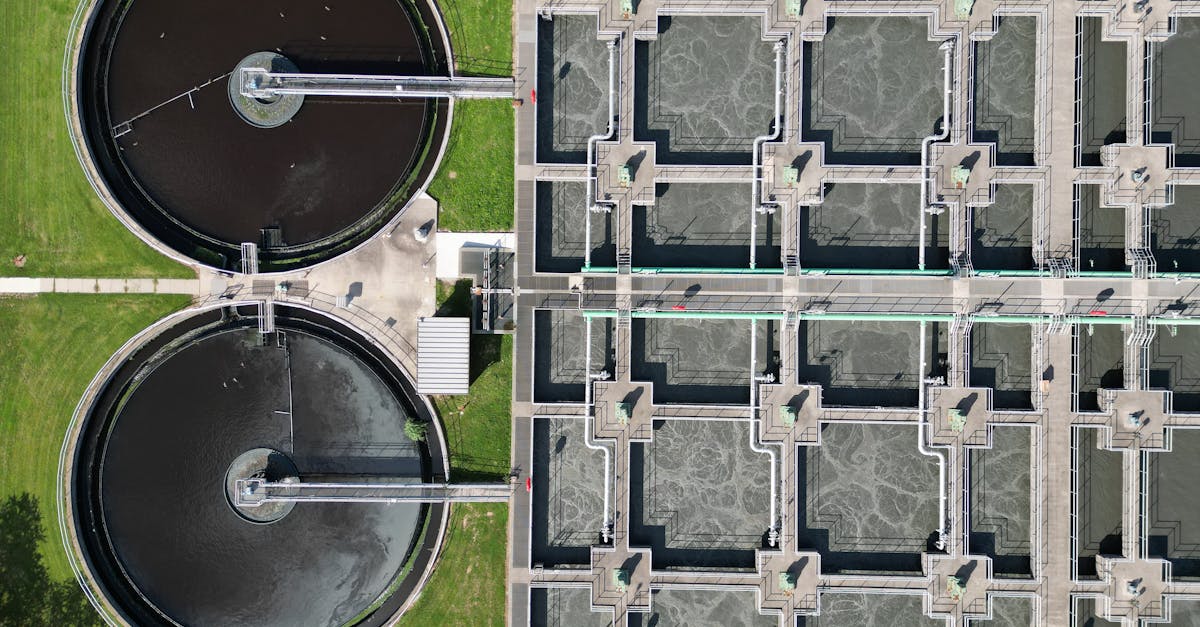
The Hawaii Department of Health (DOH) is currently reviewing a critical wastewater discharge permit for the Sand Island facility. Environmental advocates, including the Surfrider Foundation, are pushing for significantly stricter limits on pollutants, raising concerns that current standards inadequately protect public health and coastal ecosystems. While the DOH has not yet announced a final decision, the advocacy for more stringent regulations signals a potential shift that could impact businesses operating on Oahu that rely on wastewater discharge.
Any proposed changes to the Sand Island permit could affect a wide range of industries. Stricter limits typically require businesses to invest in advanced treatment technologies, increase monitoring frequency, or potentially limit the volume or type of discharge. These changes translate directly into higher operational costs, longer permitting timelines for new facilities, and increased risk of non-compliance penalties if businesses are unprepared.
Who's Affected
-
Small Business Operators: Restaurants, laundromats, car washes, and other service-based businesses that discharge wastewater may face increased costs for treatment or disposal. This could range from higher utility bills to the necessity of investing in new equipment. For businesses planning expansion or new locations, longer permitting processes and higher compliance standards could be significant hurdles.
-
Real Estate Owners: Property owners and developers whose tenants engage in activities requiring wastewater discharge will need to consider these potential new costs. Leases may need to be renegotiated to account for increased operational expenses for commercial tenants. Properties that rely on or are adjacent to facilities with wastewater discharge permits could see their valuations affected if operational costs rise substantially.
-
Tourism Operators: Hotels, resorts, and other hospitality businesses, particularly those with extensive water usage and wastewater systems (e.g., large kitchens, laundry facilities, spas), could experience higher operating expenses if they are directly impacted or if the costs are passed on by utility providers. Maintaining high environmental standards is also crucial for the industry's reputation, making proactive compliance a priority.
-
Agriculture & Food Producers: Aquaculture operations and food processing plants are direct users of water and generators of wastewater. Stricter limits could necessitate significant capital investment in advanced filtration and treatment systems to meet new standards for discharged water, potentially impacting production costs and export viability.
Second-Order Effects
Increased wastewater treatment costs for businesses can ripple through Hawaii's isolated economy. For instance, stricter environmental compliance for food producers or restaurants could lead to higher prices for local goods and dining. This, in turn, could increase the cost of living for residents and potentially affect the competitiveness of Hawaii as a tourist destination if overall prices rise. Additionally, if businesses are forced to invest heavily in new infrastructure, it could divert capital from other areas of growth or employment.
What to Do
Given the uncertainty and the potential for increased costs and regulatory demands, businesses are advised to adopt a watchful stance. The Department of Health is expected to provide more clarity as the permit review progresses.
Action Details: Monitor official announcements from the Hawaii Department of Health's Wastewater Branch regarding the Sand Island permit review. Pay close attention to public comment periods and proposed discharge limits. If stricter limits are introduced that impact your operations, explore cost-effective treatment technologies and consult with environmental compliance specialists to understand long-term capital investment needs and potential financing options. Budgetary reviews should include a contingency for potential increases in wastewater management expenses within the next 12-18 months.


